Worried about homesickness at camp? It’s normal and temporary. With preparation, supportive counselors, and engaging activities, kids adapt quickly, build resilience, make friends, and leave camp more confident and independent.
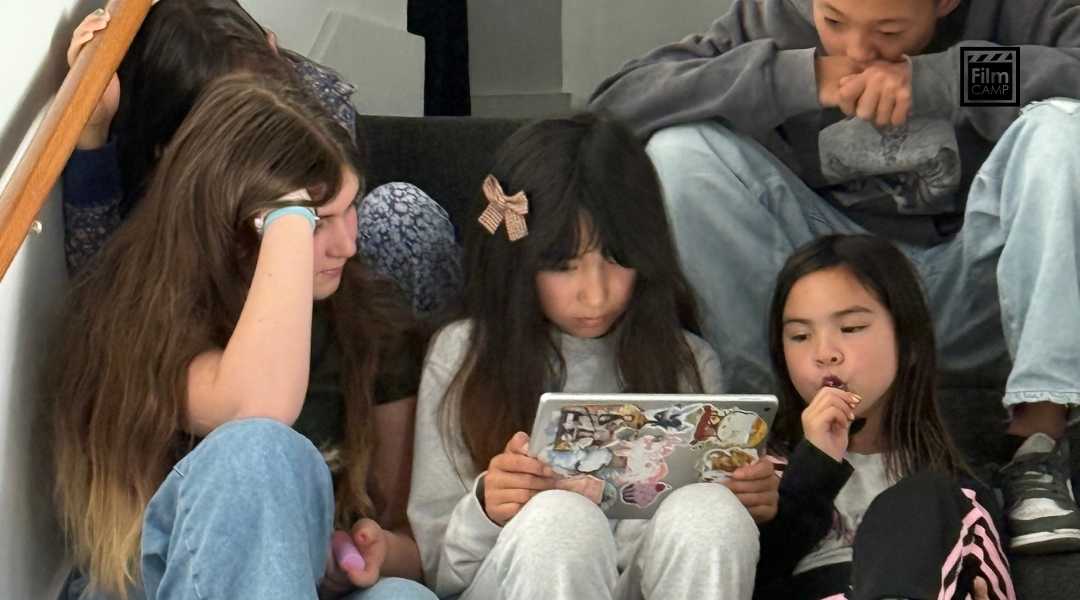
You're staring at the gear list. Your kid's name sits on the duffel bag. One thought keeps looping in your head: what if my child gets homesick at camp?
Take a breath. You're not the first parent to wonder this. You won't be the last. Here at Film Camp in Austin, we hear it every summer.
Homesickness at summer camp is real. It's also normal. And most kids come out the other side stronger than before they left.
Let me walk you through what actually happens when kids miss home at camp. We'll cover the signs of homesickness, the science, and what to pack. Plus what we do at Film Camp when a camper has a wobbly first night.
The first night at camp gets loud in your kid's head. New bunk. New smells. No mom yelling about teeth.
That's when summer camp homesickness hits hardest. The cabin gets quiet. The lights go off. Your child notices every single thing that feels different from home.
This isn't weakness. It's biology. The brain pings the body when familiar cues vanish. Heart rate climbs. Sleep gets weird.
Most overnight camp homesick moments happen in those first 24 hours. By night three, the brain stops scanning for danger. New becomes normal. That's the magic of camp transitions.
We see it every summer at Film Camp. A kid cries at lights-out on Sunday. By Tuesday they're directing a short film with three new friends. By Friday they don't want to leave the cabin counselor or their bunkmates.
Camp first night homesick energy fades fast when staff is ready for it. And we are.
Here's something parents don't hear enough. Homesickness kids age through is not failure. It means they love their home.
Think about it. Homesickness shows attachment. It shows that mom and dad and the dog and the smell of Saturday pancakes mean something real. That's secure attachment camp counselors love to see in a child.
What parent doesn't worry about that first night? Almost none. But worry isn't the enemy. Worry is just love wearing a weird hat.
Camp psychology research backs this up. Dr. Christopher Thurber, the leading expert on homesickness studies, found that homesick child help works best when parents normalize the feeling. Don't promise to rescue them. Promise to listen.
A child psychology camp principle to remember: feelings aren't problems. They're signals. Your child crying at camp is just telling you they care.
That kind of caring is the same fuel that fires creativity. Kids who feel deeply make better filmmakers. The same heart that misses home is the heart that tells stories.
Tired kids look like sad kids. Hungry kids look like sad kids. So how do you read the actual signs of homesickness from a letter or call?
Camp homesick signs to watch for:
A homesick child phone call usually has a flat voice. Or sobbing. There's rarely a middle gear. That's a clue.
Mild homesickness shows up as quiet sadness. The kid still joins activities. Still eats. Still smiles sometimes. That's the healthy kind that fades.
Severe homesickness looks different. Loss of appetite. Refusing to leave the bunk. Tears all day, not just at lights out. That's when camp staff training homesickness protocols kick in.
At Film Camp, our cabin counselor team checks each camper every morning. Quiet kids get extra eyes. Loud kids do too. Nobody slips through the cracks.
Knowing the camp homesick when to worry signs gives parents peace before drop-off. And it gives counselors a clear playbook.
You might be shocked. How common is homesickness at camp? Try about 96%. That's not a typo.
The American Camp Association studied this for years. Almost every kid feels some homesickness camp moment. Most of it is mild. Most of it fades by day three or four. Homesickness duration is way shorter than parents fear.
ACA homesickness data also shows something cool. Kids who push through homesick episodes build resilience. They learn they can handle hard feelings. That's a skill that lasts way beyond summer camp.
So if your child wants to come home camp on day one, that's not failure. That's the average human response to a new bed. Camp homesick rate stats prove it.
The kids you should worry about more? The ones who don't feel anything. Detachment is harder to fix than homesickness.
How long does homesickness last at camp? Usually three to five days, peak. After that, the camp routine takes over. Kids stop counting nights. They start counting friends.
Talking to kids about camp before they go is half the battle. Maybe more.
Sit down. Make it casual. Don't turn it into a TED talk. Discussing camp fears works best over pancakes or in the car.
Things to say:
Things NOT to say:
Validating camp feelings matters more than fixing them. You're not their therapist. You're their parent. Just let them know it's okay to feel weird.
Practice nights away help too. A weekend at grandma's. A sleepover at a cousin's. Sleepover practice builds the muscle for sleepaway camp homesick moments.
Wouldn't you rather know the truth than be sold a fairy tale? Kids feel the same. Tell them what camp is really like. The fun parts. The weird parts. All of it.
Emotional preparation camp readiness depends on this. Mental preparation camp success starts at home. The earlier the better.
Camp packing tips homesick kids need are different from regular packing. Sure, they need socks. They also need anchors.
Comfort items camp counselors swear by:
Don't overdo it. Three or four comfort items camp tested. Not a U-Haul. Too much stuff makes them feel weighed down.
Care package homesick kids look forward to should be small and sweet. Stickers. A funny drawing. A photo of the dog. Skip the candy avalanche. Camp has snacks.
Letters home are gold. Camp letters home build connection without the emotional whiplash of a phone call. Write before you drop them off. Mail it the next day so it lands fast.
Pro tip from us: include a self-addressed stamped postcard. Make it easy for them to write you. A homesick kid camp counselor knows the joy of getting a letter back is huge.
Homesick letters from camp tell you a lot. Read between the lines. Day-one tears often dry by day-three jokes.
Most camps have a camp call home policy. Ours included. Calls are scheduled. Limited. Why?
Because phone calls feed the homesick fire. Hearing mom's voice yanks the kid right back to missing home. The wound reopens. The healing pauses.
That sounds harsh. It's not. It's love with a long view.
If you do get a homesick child phone call, here's what to do. Stay calm. Listen. Don't promise to come get them. Don't panic. Coping with homesickness starts with calm voices on both ends.
Try saying:
End the call with confidence, not pity. Confidence transfers. Pity sticks.
Should I pick up my child from camp the moment they cry? Almost never. The exception is when camp staff and your child agree something deeper is happening. Trust the camp staff. They've seen it before.
A Texas saying we love around here: "If you don't like the weather, wait five minutes." Same goes for homesickness. The mood at 7 PM is rarely the mood at 9 AM.
Talking to homesick child phrases matter more than fixing words. Listen first. Solve later. That's the rhythm.
Here's where we get to brag a little. Camp counselor support at Film Camp isn't an afterthought. It's baked into the staff training.
Every counselor goes through homesickness coping skills training before campers arrive. They learn to spot mild versus severe. They learn how to comfort without making it worse. They learn when to call the director.
We teach them the buddy system camp model. Every camper has a peer they check in with. Loneliness is the loudest at night, and a buddy makes the dark less dark.
Camp counselor relationship is the secret sauce. A trusted adult camp kid feels safe with isn't a parent. It's a young, fun, slightly cooler grown-up. That kind of trust unlocks honest feelings fast.
Our staff also includes a wellness lead. This person is the go-to for emotional check-in camp situations. Crying, anxiety, stomach aches, big feelings. They have a quiet office and good snacks.
Camp counselor homesick training also covers what NOT to do. Don't shame the camper. Don't compare to other kids. Don't bribe with phone time. Just sit with them. Be steady.
You're handing your kid to people who know what they're doing. That's the whole point of a real summer camp.
Camp activities homesick brains need are not optional. They're the cure.
Distraction homesickness research is clear. A busy mind has no room to spiral. A camp routine gives a kid handles to grab when feelings get slippery.
Think of camp schedule comfort like scaffolding. The structure holds the kid up while their feelings settle inside. Wake up. Breakfast. Morning film shoot. Lunch. Editing block. Free swim. Dinner. Bonfire. Repeat.
At Film Camp, we lean hard into this. Within the first hour of arrival, your kid has a script in their hand. They're meeting their crew. They're holding a camera. There's no time for the brain to wander home.
That's not magic. That's design. Camp culture works when boredom is impossible.
Making friends at camp also helps. Two new pals can erase a hundred homesick thoughts. Camp friend group dynamics light up the social parts of the brain.
Shy kid at camp? Introvert camp kids actually thrive in our small group setup. Our sets have 6-8 people. Easier to find your people. Easier to be heard.
Extrovert camp kids? They're already running the show by Tuesday afternoon. We just hand them a megaphone.
Camp activities like ice breakers camp games and team building camp exercises start day one. Camp connection happens in those silly first hours. Social skills camp builds without anyone noticing.
Specialty camp homesick stats are different from general camps. Why? Passion is the best distraction in the world.
When a kid is at a youth film camp because they love filmmaking, they came with a mission. They didn't come because mom and dad needed childcare. They came to make a movie.
That changes everything. Filmmaking camp campers walk in already knowing one thing they care about. The first conversation is easy. "What kind of movies do you like?" Boom. Friends.
Compare that to a general arts camp homesick kid who didn't pick the camp. They might feel lost from minute one. Creative arts camp matters when the kid chose it.
Film Camp Austin runs as a teen film camp, kids film camp, and youth filmmaking program in one. We host campers ages 8 to 17. They write screenplays. They direct. They edit. They act.
Our summer film camp covers screenwriting camp basics, acting camp scenes, camp directing labs, cinematography camp youth lessons, and editing camp kids tracks. Movie making camp craft is the through-line.
That focus is why our small camp homesick rate stays low. There's no big crowd to feel lost in. Cabin assignments stay tight. Cabin mates become movie crews. Kids belong fast.
A teen creative camp built around real work feels like film school summer for kids. They leave with footage. They leave with friends. And they leave wanting to come back.
Most of the time, homesickness is a wave. It crashes. It fades. It comes back. Then it's gone.
But sometimes it's bigger than a wave. Sometimes it's the whole tide.
Red flags homesick child signs to watch:
This is when camp pickup decision conversations happen. We call you. You call us. We talk to your child together. Director communication camp parents trust is built before drop-off, not after.
Homesick depression camp staff know is different from homesickness. It's heavier. It doesn't lift with distraction. It doesn't budge with letters from home or care packages.
When to bring child home camp questions are rare. Most years, we don't pull a single camper. But we'd rather pull a kid who needs it than push one who's drowning.
That's where camp safety meets camp wellness meets common sense. We don't gatekeep. We listen. Camp mental health matters more than perfect attendance.
Here's the funny twist. The kids who cried hardest at drop-off are often the loudest at pickup.
Recovery from homesickness builds something new in a kid. They learned they can survive a hard feeling. They didn't break. They actually had fun. They made memories.
That's bouncing back camp magic. Resilient kids aren't born. They're built. Homesick moments are the bricks that build them.
We've had campers return three, four, five summers in a row. The same kid who clung to mom's leg in 2021 welcomes new campers in 2024. Camp tradition forms in those moments.
Camp friendships often outlast the camp itself. Kids stay in touch all year. They write scripts together in Google Docs. They visit each other. Lifelong camp friends are real. Camp memories last decades.
Parent testimonials camp staff hear most often go like this: "I almost didn't send them. I'm so glad I did." Camp success stories from homesick kids are the loudest stories we hear.
Raising resilient children doesn't happen on the couch. It happens in the slightly uncomfortable middle. Camp gives kids that middle on purpose. Parenting independence lessons stick when kids feel them, not when parents lecture.
Is my child ready for camp? It's a fair question. Camp readiness isn't about age. It's about temperament.
A 9-year-old can crush a sleepaway camp. A 13-year-old can struggle. There's no perfect when to send child to camp formula.
Signs of camp readiness:
If your kid is sort of ready and sort of not, that's normal. Most kids are. The leap is part of the point.
Mini camp options like our shorter Film Camp sessions are perfect for first time camper situations. A few days. A small win. A taste of independence. Camp pre-camp programs ease the jump.
Camp pre-visit tours help too. Camp tour visits. Camp open house events. Meeting staff. Seeing the bunks before the big day. Familiarity drops the fear.
Camp orientation matters. Camp arrival anxiety drops when kids already know the layout. Camp first day tips from veteran families always include "drive by once before drop-off."
Day camp homesick experiences are gentler. So is a weekend trial camp. Parents who go slow often get faster results.
Parents missing kids camp is its own kind of hard. Parental anxiety camp drop-offs trigger is real. So is parent stress camp pickup.
Tips for the parent at home:
Helicopter parent camp behavior is the fastest way to make a homesick child worse. Overprotective parent calls add fuel. Parents need their own coping plan too.
Camp goodbye tips boil down to one thing: be brief. Camp drop off tips are the same. Hug, kiss, smile, leave. Drawn-out goodbyes plant seeds of doubt.
Healthy goodbye camp scripts:
Positive goodbye energy transfers. So does anxious goodbye energy. Kids read parents like books.
Bus drop off camp moments are fast. Camp pickup moments are emotional. Save the big feelings for pickup, not drop-off.
Summer camp benefits go way past surviving homesickness. They reshape a kid's sense of self.
Camp confidence builds in small wins. Building confidence camp activities aren't always loud. Sometimes it's just making your own bed. Or finishing a film edit you started yourself.
Camp life skills like doing laundry, packing a bag, and asking adults for help are huge. School doesn't teach these things. Camp does.
Resilience camp lessons last forever. Growth mindset camp moments happen when a kid tries something new and bombs and tries again. That muscle stays.
Camp belonging is the rare gift. Camp community gives kids a tribe outside school and family. That's healing for kids who feel different at school. Camp environment safe spaces aren't always advertised, but they're real.
Nurturing camp culture and supportive camp staff make Film Camp Austin feel like home for the kids who come. We've watched shy kids find a voice. We've watched loud kids learn to listen. We've watched homesick first-timers become camp leader candidates.
Worry is part of parenting. We get it. But camp anxiety child stress can become its own thing if you're not careful.
Trust the process camp veterans talk about is real. We've trained for this. We know the rhythms. We know the words. We know when to hug and when to back off.
Your job is to drop them off with a confident smile. Our job is everything after that. Camp trust is earned, and we work for it every day.
Film Camp Austin has been doing this a while. We've watched hundreds of nervous kids become brave young filmmakers. Every summer. Every session.
Homesickness camp moments don't ruin a summer. They shape it. The kid who lives through that first night becomes a different kid by Friday. Emotional release camp tears often turn into the loudest pickup-day laughs.
Let them have that. Let them grow. Let them write the story themselves.
If you have questions about how we handle homesickness, packing, or anything else, just call us at (323) 471-5941. Or email hello@film.camp. We're at 5900 Balcones Drive, Suite 100, Austin, TX 78731. We're real humans. We pick up.
You've got this. Your kid does too.

Discover why filmmaking classes help creative kids build confidence, teamwork, and storytelling skills through hands-on movie projects at Film Camp Los Angeles, where beginners learn by creating real short films.
Read >.jpg)
Weekend film classes in Los Angeles teach kids ages 8 to 14 filmmaking every Sunday in Glendale. Compare real costs, curriculum, safety, and what to ask before enrolling your child.
Read >
Thanksgiving break film camps fill the three school-free days in Austin, Los Angeles, and San Francisco. Kids ages 7 to 14 write, shoot, edit, and premiere their own short film.
Read >.jpg)
Discover how kids ages 7–14 learn screenwriting, acting, directing, camera work, editing, teamwork, and confidence at Los Angeles Film Camp in Glendale while creating and premiering their own short film.
Read >.png)