Parents often choose summer camps based on price, brochures, or convenience. This guide explains common mistakes and shows why skill-based film camps build creativity, confidence, teamwork, and lasting memories.
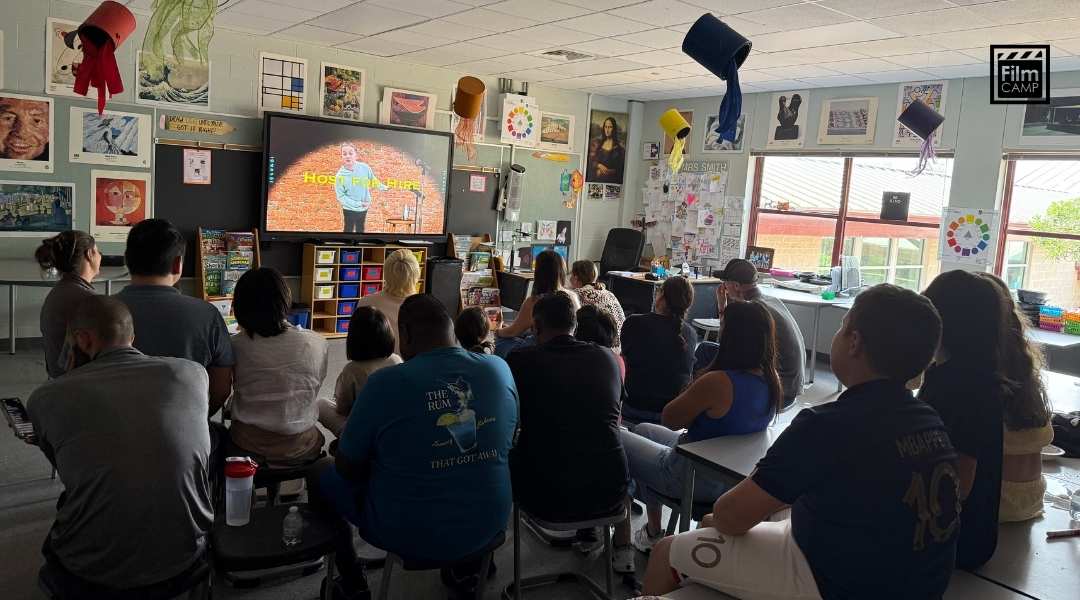
Picking a summer camp sounds simple. Then it isn't.
You scroll. You compare. You ask a few friends. Then June hits and your kid is bored by week one. Sound familiar?
Most parents mean well. But a few small mistakes turn into a long, sad summer.
This guide breaks down the real ones. The kind that waste money, time, and your weekend drives. We'll talk about what to avoid, what to look for, and why a focused summer film camp can change everything.
Whether you're searching in Austin, hunting for a California film summer camp, or eyeing a film camp glendale option, this post is for you.
Let's get into it.
A bad camp doesn't just bore your kid. It costs you trust.
Kids remember the summer they hated. They also remember the summer they fell in love with making movies. The wrong fit shapes how they feel about creativity for years.
Think about it. You're paying for memories, not just hours of childcare. A summer is short. A bad one feels long.
There's a Texas line worth remembering. "All hat, no cattle." A camp can look fancy on Instagram. But if there's nothing real behind it, your kid feels it on day two.
Good camps build skills. Great ones build confidence. The best ones do both without being boring.
So before you click "register," slow down. Read the rest of this list first.
Cheap camps can be great. They can also be a mess.
Price isn't the real story. Value is.
Some parents grab the lowest-priced option and hope for the best. Then they're shocked when their kid sits around watching old DVDs all day. Cheap often means under-staffed, under-trained, or under-planned.
A solid summer film camp invests in real gear, working mentors, and small groups. That stuff costs money. But it pays off in skills your kid actually uses.
Ask this instead of "how much?":
If the camp can answer all three with confidence, the price probably matches the value. If they dodge, keep looking.
A teen summer camps austin film option that's slightly pricier but project-based often beats a cheaper "watch and chill" camp by a mile.
Brochures are basically dating profiles for camps.
The lighting is great. Everyone is smiling. Nobody mentions the bad parts.
Treat them with kind suspicion. Then go find the real reviews.
Look at Google reviews. Read the three-star ones. Those are the most honest. Watch any video tours the camp posts on YouTube. Check parent forums and local Facebook groups.
If you're searching for a film camp austin program, check what local Austin parents say. Same for a film summer camp los angeles search. LA parents are picky. Their reviews tell you a lot.
Red flags in reviews:
Green flags:
Reviews from real families beat any glossy ad. Always.
This one stings, but it's true. A lot of parents pick camps for the parent, not the kid.
Maybe you played soccer as a kid. So soccer camp it is. Maybe you wish you'd done coding. So coding camp it is.
But your kid loves movies. Or wants to make TikToks that don't suck. Or dreams of directing a horror short with friends.
That's a sign. Listen to it.
A film kids austin program lets a creative kid build something real. They learn writing, shooting, sound, and editing. They walk out with a film. Not a participation ribbon.
Ask your kid three honest questions:
Their answers point to the right camp. Don't override them just because filmmaking feels less "practical." Storytelling is one of the most useful skills in any career today.
Here's a hard truth. The camp is only as good as the people running it.
A camp without strong mentors is like a movie without a director. Loud, messy, and forgettable.
Many parents never ask who's actually teaching. They just assume "the camp" handles it. Big mistake.
Ask the camp directly:
For a film camp for teens in austin, you want mentors who've made real things. Real shorts. Real ads. Real series. Not just film students reading from a script.
At Film Camp, the mentors come from working backgrounds in production, editing, and storytelling. That matters because teens can smell a fake teacher from across the room.
Also check staff-to-kid ratios. A 1:6 ratio means real attention. A 1:20 ratio means your kid might not even hold the camera.
Big classes feel like a bargain. They aren't.
When 30 kids share one camera, most of them just stand around. They go home with stories about waiting in line. That's not a camp. That's a slow lunch.
Smaller groups mean more hands-on time. More feedback. More finished work.
For any video production camp rrisd parents are eyeing, ask flat out:
A good summer film camp keeps groups small on purpose. Usually under 12 kids per mentor. That way every kid writes, shoots, and edits.
If a camp ducks the question, that tells you everything. Bigger isn't always better. Sometimes it just means your kid becomes part of the crowd.
Small groups equal big growth. Every time.
Safety isn't sexy. It also isn't optional.
Lots of parents forget to ask. They assume it's all handled. Sometimes it is. Sometimes it isn't.
Ask the basics:
Camps worth your money have clear, written answers. Not vague mumbles.
Also, check the building. A clean, organized space is a sign of a clean, organized program. Mess in the lobby often means mess behind the scenes.
This goes double for any film summer camp los angeles or film camp glendale option in larger cities. Traffic, parking, and pickup logistics matter. Confirm them before you commit.
A safe camp is a calm camp. Calm camps make better filmmakers.
Generic camps are fine. Skill-based camps are different.
A traditional camp gives your kid a little of everything. Crafts. Swimming. Maybe archery. Cool, but forgettable.
A summer film camp gives them one big thing. They walk out with a real skill. A real project. A real reel they can show family, friends, and even college admissions later.
Why does this matter?
Because depth beats variety when it comes to growth. Kids who spend two weeks deep in one craft remember it for years. Kids who bounce between ten activities barely remember the camp's name.
Filmmaking touches every creative muscle:
It's basically a creative gym. Your kid trains every part of their imagination at once.
Timing matters more than parents think.
Wait too long? The good spots are gone.
Book too early without research? You lock into the wrong camp before you've compared.
The sweet spot is usually January through March for summer camps. That gives you time to compare a film camp austin option with a california film summer camp option. You can tour both. You can read reviews. You can talk to past parents.
A few tips:
If you're stuck between options, ask each camp for a parent reference. Real camps have real fans who'll vouch for them.
Procrastinating costs you choice. Rushing costs you fit. Find the middle.
Not every film camp is built the same. Far from it.
Some are basically media literacy classes with a camera in the corner. Others are intense production bootcamps where teens make actual short films. Big difference.
Before you pick, sort camps into categories:
Watch-and-discuss camps: Kids watch movies and talk about them. Light fun. Low output.
Tech-focused camps: Heavy on gear and software. Less on story. Good for kids who already love editing.
Story-driven production camps: A balanced mix. Kids write, shoot, and edit. They go home with a finished short film. This is the gold standard.
A real film camp for teens in austin should sit in that third category. So should the best teen summer camps austin film options. Same goes for top-tier film summer camp los angeles programs.
Ask the camp this one question: "What does my kid leave with?"
If the answer is "a finished short film and the skills to make another one," you've found a winner.
Teens shut down when they feel forced. You know this.
Sign them up without their input and they'll resist on day one. Even if the camp is amazing.
Bring them into the choice early. Show them three options. Let them watch the camp's videos on YouTube. Let them read the program details out loud.
Ownership matters at this age. A teen who picked the camp themselves shows up ready to work. A teen who was dragged in shows up ready to fight.
For older kids, a film camp for teens in austin that lets them pick their own project topic feels different. They get real creative control. That's huge for engagement.
Same goes for any solid film kids austin option for younger ones. Even nine-year-olds want a say in their summer.
Treat your kid like a tiny producer. Give them choices. Then watch what happens.
Now the good part. Here's the simple checklist.
1. Match the camp to the kid's interest, not yours. If they love movies, find a camp that lets them make one.
2. Ask about mentors, not just facilities. People matter more than buildings. Always.
3. Check the staff-to-kid ratio. Aim for under 1:12 for real engagement.
4. Look at the final output. Will your kid take home a real project? A reel? A finished film?
5. Read the three-star reviews. Honest beats glowing every time.
6. Check safety policies in writing. If it's not written, it's not enforced.
7. Visit if you can. A 15-minute tour tells you more than a 50-page brochure.
8. Talk to past families. A real camp will gladly connect you. A shaky one won't.
This list works whether you're picking a film camp austin, a film camp glendale, or a video production camp rrisd program. The fundamentals never change.
Trust your gut. If something feels off, it usually is.
Quick honest moment. We run Film Camp here in Austin. So we've seen what works and what doesn't.
We started because we kept hearing the same parent complaint. "My kid did a camp last summer. They came home with nothing."
That stuck with us. So we built something different.
At our summer film camp, every kid leaves with a real short film. Not a half-done draft. A real one. Edited, scored, ready to share.
Here's what makes us different:
Whether your teen is into horror, comedy, or wild experimental stuff, we make space for it. We've had kids make documentaries about their grandparents. Sci-fi shorts in their backyards. Music videos in 95-degree Texas heat.
It's messy. It's loud. It works.
Find us at 5900 Balcones Drive, Suite 100, Austin, TX 78731. Or call (323) 471-5941. Or just email hello@film.camp with questions. We answer fast.
Quick map of the landscape. Helpful if you're shopping nationally.
Austin film camps: Strong creative scene. Smaller class sizes. Less Hollywood pressure. Great for teens who want to focus on craft over flash.
Film summer camp los angeles: LA camps often have industry guest speakers. They lean toward the business side too. Spots fill fast.
Film camp glendale: Glendale options sit close to the LA scene without the chaos. Good middle ground for California families.
California film summer camp: Statewide options range wide. Bay Area programs lean tech. SoCal programs lean industry.
Video production camp rrisd: Round Rock area parents have local options too. Worth comparing with our Austin-based programs for a real apples-to-apples look.
The point? Don't assume bigger city equals better camp. Some of the best summer film camp experiences happen in mid-sized cities like Austin, where mentors actually have time to mentor.
Parents always ask this. Fair question.
A real film camp for teens in austin teaches more than camera buttons. The skills transfer everywhere.
Storytelling. Learning to tell a clear story is the hardest skill in any career. Filmmaking trains it fast.
Project planning. A short film is a real project with deadlines. Teens learn to plan, pivot, and finish.
Collaboration. Film is a team sport. No solo wins. Teens learn to give and take feedback.
Tech fluency. Cameras, audio, editing software, lighting. Skills they use for school, college, and beyond.
Confidence. Showing your work to others is scary. Doing it builds backbone.
These are the skills that show up on resumes years later. Not the camp's name. The skills.
Q: Is filmmaking really useful long term? Yes. Storytelling skills carry into business, marketing, teaching, and tech. Plus, kids today live in a video-first world. Knowing how to make video is basic literacy now.
Q: My kid is shy. Will they fit at a film camp? Absolutely. Quiet kids often shine at editing, writing, or directing. Film has roles for every personality.
Q: What if my teen has zero experience? Even better. Most kids at our summer film camp start with zero. They leave with real skills and a finished short.
Q: What gear should we buy first? None. Real camps provide the gear. Don't waste money on kit before camp.
Q: How young is too young for a film camp? Most programs start at 8 or 9. Younger kids do better with shorter, lighter sessions.
Q: Do colleges care about film camp experience? Yes, especially if your teen builds a real portfolio. A short film with their name in the credits is impressive.
Q: What's the difference between a film summer camp los angeles option and an Austin one? LA leans industry. Austin leans craft. Both have value. Pick based on your teen's goals.
Sometimes you pick wrong. It happens.
Here's what to do.
First, talk to your kid. Don't assume. Maybe they're tired. Maybe one mentor clashed with them. Maybe lunch is bad.
Second, talk to the camp. A good camp wants the feedback. They'll often fix it fast.
Third, if it really isn't working, pull them out. Don't force a bad summer for the sake of a deposit.
A great film camp austin program will work with you. They'll switch projects, change groups, or refund partial fees. That's a sign of a camp that cares.
If they fight you on every reasonable request, you've learned something. Don't book them next year.
Summer is short. Childhood is shorter.
Don't pick the wrong camp because you ran out of time. Don't grab the cheapest one. Don't ignore your kid's voice.
Pick something that fits. Pick something that pushes them. Pick something they'll talk about at Thanksgiving.
For a lot of creative teens, that's a summer film camp. The kind where they make real things. The kind where they leave with a film, a crew of new friends, and a sneaky belief that they can do hard creative work.
That's the goal.
If you're in Texas, come see us at Film Camp in Austin. If you're in California, check out a solid film camp glendale or film summer camp los angeles option. If you're somewhere else entirely, use this guide to vet whatever's local.
Just don't waste the summer.
Reach out anytime at hello@film.camp or (323) 471-5941. We're always happy to talk through whether we're the right fit. Even if we're not, we'll point you to someone who is.
Your kid deserves a summer they remember. Make it count.
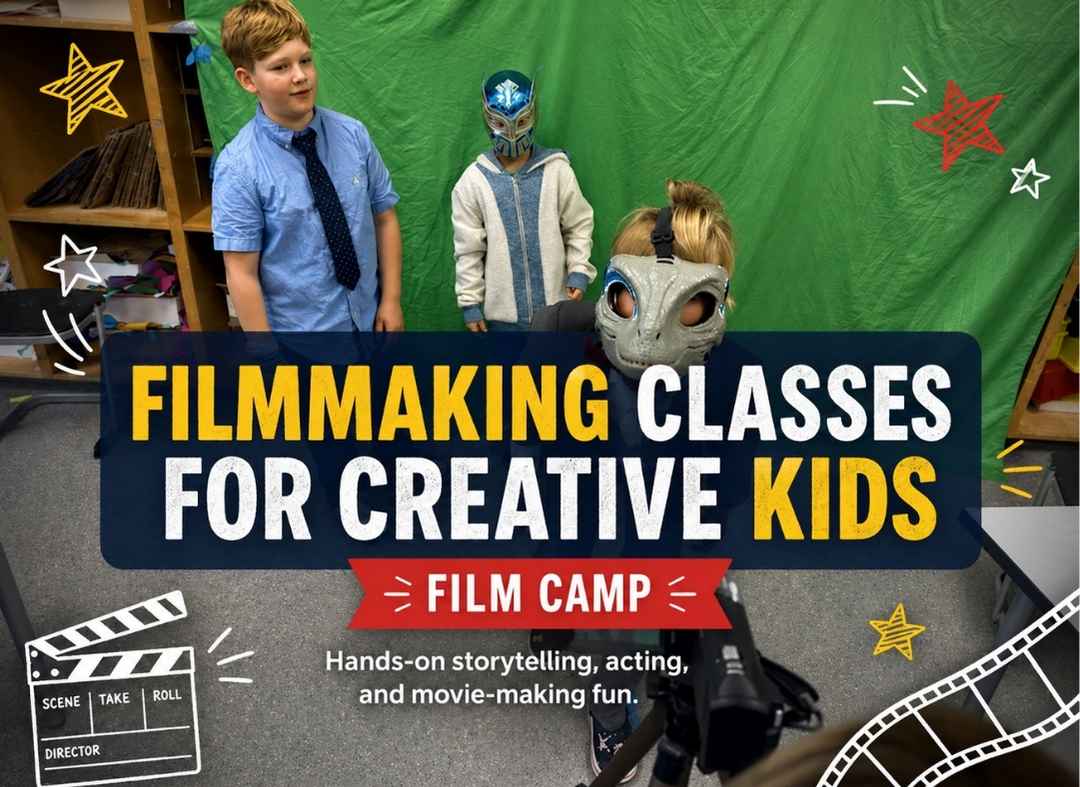
Discover why filmmaking classes help creative kids build confidence, teamwork, and storytelling skills through hands-on movie projects at Film Camp Los Angeles, where beginners learn by creating real short films.
Read >.jpg)
Weekend film classes in Los Angeles teach kids ages 8 to 14 filmmaking every Sunday in Glendale. Compare real costs, curriculum, safety, and what to ask before enrolling your child.
Read >
Thanksgiving break film camps fill the three school-free days in Austin, Los Angeles, and San Francisco. Kids ages 7 to 14 write, shoot, edit, and premiere their own short film.
Read >.jpg)
Discover how kids ages 7–14 learn screenwriting, acting, directing, camera work, editing, teamwork, and confidence at Los Angeles Film Camp in Glendale while creating and premiering their own short film.
Read >.png)