Cheap summer camps fill time; quality programs build skills. Real film camps offer pro gear, small classes, industry instructors, and finished projects. Price tags lie—check ratios, equipment, and final deliverables instead.

Summer rolls around. Parents start hunting. Brochures pile up in the kitchen. Some shout "only $99 a week!" Others list a tuition number that makes your coffee taste weird.
So what's actually going on here? Cheap summer camps and quality programs aren't the same product. Not even close. Price isn't the point. What you get for that price... that's the real story.
We've watched thousands of kids walk into a film camp wide-eyed. Some came from cheap summer camps that promised the moon. They left with not much. Others came from a structured film summer camp. Those kids walked out with edited shorts, real skills, and a finished short film on their phones.
Around here in Austin folks like to say, "don't judge a longhorn by its hat." Same thing applies to summer camp options. The flyer means nothing. The actual program is everything.
This guide breaks down cheap summer camps vs quality programs for real. Real numbers. Real differences. By the end you'll know exactly what to look for in any film camp, summer film camp, or specialty summer camp on your list.
Cheap summer camps look great on paper. Low summer camp cost. Easy summer camp price. Friendly tuition. Your family budget breathes easier for a second.
Then the hidden costs creep in. Extra fees for camp t-shirt orders. Add-ons for camp swag. Charges for lunch summer camp packs and snacks summer camp boxes. Transportation summer camp pickups for north austin camp families. Suddenly the cheap version costs more than the so-called pricey one.
Worse, the program itself often runs thin. A budget summer camp might pack 40 kids into one room. Maybe one bored counselor watches them. The activities feel like babysitting with juice boxes. The film equipment is two iPads and a tripod from 2014.
Is that what you wanted? Probably not. You wanted enrichment camp time. Real summer enrichment. Skills that beat summer learning loss. Something better than another screen-time afternoon.
A low cost summer camp can absolutely have value, ya know. We're not saying every cheap option is bad. We're saying the price tag tells you nothing on its own. You gotta look deeper. Especially with a creative summer camp where craft really matters.
A quality summer programs setup looks different from day one. Walk into a real filmmaking camp and you see gear. Real cameras. A real lighting kit. A working sound stage or studio space. Maybe a film set built right there.
Kids aren't just watching. They're doing. They're holding a DSLR camera or a mirrorless camera. They're framing a shot. They're building a shot list and a storyboard for tomorrow's shoot.
That's the core difference. Cheap programs entertain. Quality programs build. A filmmaking camp at Film Camp here in Austin treats kids like junior crew. They handle pre production, production, and post production. They learn the full pipeline.
Quality also shows in the schedule. A structured camp follows a plan. Each day moves their final project forward. There's a final screening at the end. Sometimes a parent showcase that feels like a small red carpet event.
That's not babysitting. That's a creative summer camp doing what an arts summer camp should do. That's enrichment camp work that actually sticks. Whether you call it a youth film camp, teen film camp, or kids film camp, the bar should be the same.
Want a fast read on any film camp? Look at the camera shelf. A real video production summer camp uses pro and prosumer gear. Think red camera or cinema-grade DSLR camera setups. Mirrorless camera bodies for smaller hands. Real boom mics on the sound equipment cart.
You'll see lighting kit cases stacked in a corner. A green screen rolled up against a wall for visual effects work. Editing software like Final Cut Pro, Adobe Premiere, or DaVinci Resolve on the workstations. Some camps even teach color grading basics by week's end.
That gear matters. A kid editing on Adobe Premiere learns a real industry tool. A kid playing with a free phone app learns... a phone app. Same project. Wildly different outcomes.
Cheap summer camps usually skip this part. They might list "movies" on the brochure and stop there. The reality is iPad photos with a kid voice over. Fine for a rainy afternoon. Not what you signed up for.
So when you tour, ask to see the gear. A quality program shows you proudly. They'll name specific models. They'll explain why they chose that mirrorless camera or that lighting kit. They'll mention sound design tools and music scoring software. That's a green flag. Big time.
Here's a number that matters way more than tuition. The student to teacher ratio. A small class size changes everything for a kid in any specialty summer camp.
Cheap summer camps run high ratios. One adult per 20 kids. Sometimes one per 30. The instructor cannot give real feedback in that crowd. Each kid gets maybe two minutes of real attention per day. That's it.
Quality programs run small. A real film camp austin program might cap groups at 8 to 12. Each kid gets actual time on the camera. Real coaching on their shot list. A mentor who knows their name and their story idea.
Why does this matter? Because filmmaking is a hands on filmmaking craft. You can't learn it by watching. You learn it by holding the camera. By messing up. By trying again with someone who can guide you in the moment.
Picture a busy kitchen. Twenty cooks and one chef. Nobody's getting taught. That's a cheap summer camps kitchen. A quality program is the small kitchen with three students and one master cook. Big difference. Same ingredients, totally different meal.
Who's actually teaching your kid? Most parents forget to ask this one. It might be the most important question on the list.
Cheap summer camps often hire seasonal college students. Bless them, they try hard. But they're not professional film instructors. They might not know how to run a real shoot. They've never finished a feature film or short film themselves.
Quality programs hire industry mentors. People who've worked on real sets. Folks with credits on a documentary, a music video, a commercial, or a narrative film. Pros who've sat in a real edit bay for hundreds of hours.
A teen at a film camp for teens in austin run by working pros gets the truth. They learn how a real director thinks. How a real editor cuts. How sound design and music scoring shape an audience. That sticks with them forever.
You can ask this directly during a tour or a phone call. Who teaches the screenwriting camp track? Who runs the directing camp? Who oversees the editing camp work? Who handles cinematography camp and acting camp blocks? A quality program answers fast. A cheap one dodges.
Let's talk about what a kid actually walks away with. After camp ends, what's still in their head come fall?
Cheap summer camps tend to fade fast. The bracelet breaks. The friendship texts taper off. The "skills" don't translate. Three weeks later your kid can't remember the name of the movie they made.
A quality summer film camp builds lasting skills. A teen who finished a short film at a teen summer camps austin film program remembers it forever. They have the file on their phone. They show their grandparents. They put it in a college film program portfolio one day.
The skills run deeper too. Real filmmaking experience builds confidence building moments daily. Public speaking when they pitch ideas. Presentation skills when they show dailies. Communication skills inside a group project. Leadership skills when they direct a scene. Interview skills when they handle a producer Q&A.
These are life skills, not just film skills. Critical thinking. Creative thinking. Problem solving when the tripod breaks ten minutes before sunset. Teamwork and collaboration on every set. That's the real return on investment for a summer camp tuition payment, even a higher one.
Let's make this concrete. We'll line up a typical cheap option next to a quality film camp austin choice. Both run a week. Both promise "movies."
The cheap version: 25 kids in a church basement. One college freshman counselor. A cart with three iPads. A vague schedule. Pizza for lunch summer camp three times. A "showcase" that's a 90-second iPhone clip projected on a wall.
The quality version at a real film summer camp: 10 kids in a studio space. Two industry mentors. Pro cameras and a real lighting kit. A clear daily plan from pre production to final screening. A real parent showcase at week's end. Each kid leaves with a finished short film they can show off.
Same week. Wildly different summer. Which one delivered value for money? The math gets clearer fast.
This is exactly why families across central texas camp territory keep coming back to a quality austin texas summer camp. Round rock camp families. Cedar park camp families. West lake hills camp parents. Folks who'd rather drive past cheaper options to reach our balcones drive austin location for a reason. The austin film school energy of the city helps too.
Quick reality check. Quality programs aren't always pricier than cheap summer camps. Once you add up all the hidden fees on the cheap one, the gap shrinks fast.
Plus quality programs often offer help. Early bird discount windows. Sibling discount options for two or more kids. Payment plan setups so the cost spreads out over months. Some have financial aid options. A few have scholarship slots. A handful work with grant funding for families who qualify.
Camp tuition can also be a tax deductible camp expense in some cases. Talk to your tax person. The IRS allows certain summer camp programs as a child care expense.
So here's the trick. Don't just compare sticker prices. Compare what's included. Compare what's not. Compare ratios and instructors and equipment. Then your real summer budget picture shows up.
A youth film camp that costs more upfront might be the cheaper choice when you zoom out. A budget summer camp might end up costing more once you tally the extras. Numbers lie until you actually do the math. Check the camp facilities, camp accreditation, and camp safety stuff too while you're comparing.
Here's the moment of truth. The end of camp. What does your kid have to show for it?
A cheap summer camps ending often looks like a chaotic group video. Twenty kids waving at the camera. Background noise. No real story. No real lessons. Just a souvenir clip. Maybe an award show parody made in 30 minutes flat.
A quality program ending looks like a real movie premiere. The lights dim. A finished narrative film or genre film plays. Maybe a horror film, a comedy film, an action film, or a drama film. The kids made it. From script to story development to character development to plot structure.
They built it through three act structure lessons. They planned it on a shot list. They drew it on a storyboard. They shot it. They cut it in editing software. They added color grading. They mixed sound design. They scored it with music scoring choices. Some added visual effects, special effects, even a stop motion or 2d animation insert. A few touched 3d animation and motion graphics.
That's not a summer souvenir. That's a kid finding their voice. Some of them go on to a film festival. Some build a YouTube content channel. Others move into TikTok content or short form video work. A few step into content creation camp tracks or even influencer camp paths down the line.
Use this list when you tour any film camp or summer film camp option. These red flags should make you pause and ask harder questions.
These warnings work for any niche summer camp. STEM summer camp options. Arts summer camp choices. Educational summer camp picks. Skill based camp programs and project based camp tracks. The same flags apply across the board.
A california film summer camp or a film camp glendale program should pass the same test. So should any film summer camp los angeles option. A los angeles film camp on the west coast film camp circuit. Even an east coast film camp or broader national film camp pick. Geography doesn't change the fundamentals. Quality is quality.
You don't need a week of research. A solid quality summer programs check takes about ten minutes. Here's the fast filter we recommend.
Step one: Look at the website. Does it show real student work? Real photos from real shoots? Or stock images and vague stock language about "movies" and "fun"?
Step two: Find the instructor list. Names, faces, credits. Industry mentors should be named and clickable. Otherwise, dodgy.
Step three: Check the gear page. Specific cameras and editing software named. Not just "cameras and software" in fluffy marketing copy.
Step four: Look for the schedule. A real daily plan shows pre production through post production progress. Day by day. With time blocks.
Step five: Read parent reviews and testimonials. Look for alumni success stories. Film school admission outcomes. Festival selections. Real-world results.
Step six: Call them. Ask three direct questions. What's the ratio? Who teaches? What does my kid leave with? You can do this from the carpool line.
A quality program answers all six fast. A cheap one stumbles on most of them. That's your filter, done in a coffee break. Works for film camp, video production camp rrisd kids attend, or any creative summer camp out there.
Quick note on geography. Plenty of strong programs exist nationwide. Los angeles film camp options run deep. Glendale film camp picks have history. Southern california camp culture is rich. The west coast film camp scenes feed Hollywood directly. East coast film camp picks feed New York studios.
You'll find solid options across that whole national film camp map. They all have strengths. They all have trade-offs.
But for Texas families, austin film school energy hits different. The texas film industry has grown fast. The austin movie scene buzzes year round. Studios shoot here. Festivals run here. SXSW happens here. Kids who train at an austin filmmaking program plug into that ecosystem from day one.
A video production camp rrisd families know about can keep your kid local. No travel costs. No homesick weeks. No coast-to-coast logistics drama. Just real austin texas summer camp time with industry mentors who actually live and work in town.
That matters more than people think. The friendships kids make at a teen summer camps austin film program last. They run into each other at high school festivals. They collaborate again in college. The network compounds over years and decades.
Let's zoom way out. What does any summer camp actually do for your kid's future? Like, in five years?
A specialty summer camp focused on filmmaking builds rare skills. Digital storytelling. Media literacy. Visual effects basics. Special effects fundamentals. Even stop motion, 2d animation, 3d animation, and motion graphics depending on the track.
These skills compound. Today's kids consume YouTube content all day long. A small handful learn to make it. Even fewer learn to make it well. A teen who attends a real film kids austin program early grows into an adult who can shoot, edit, and publish at a pro level.
That feeds careers. Career camp tracks for filmmaking lead to film school admission paths. They lead to a college film program portfolio that stands out. They lead to working in commercial, music video, or documentary projects right out of school.
Compare that to a generic summer day camp or overnight summer camp. Bracelets and bug juice are great. They don't open career doors a decade later. A movie making camp absolutely can.
Real quick about us. Film Camp runs summer programs for kids and teens. We're based at 5900 Balcones Drive, Suite 100, Austin, TX 78731. You can reach us at (323) 471-5941. Or just email hello@film.camp.
We run film camp for teens in austin sessions across summer and fall. Tracks include directing camp, screenwriting camp, editing camp, cinematography camp, animation camp, and acting camp pieces. Some kids focus deep on one. Others sample several across multiple sessions.
We use real gear. We hire working industry pros as our professional film instructors. We keep small class size groups. Every session ends with a final project on screen at our parent showcase. Many kids walk away with their first festival-ready short film and start showing it to friends the same night.
We offer half day camp and full day camp options. Week long camp blocks and multi week camp tracks. Single session experiences and multiple sessions packages. Whatever fits your summer budget and schedule. We're a balanced camp, not a screen free camp, but definitely not a screen time alternative either. We're the middle path.
We're not the cheapest option in town. We're also not the most expensive. We sit where quality lives. Right where the value shows up.
So how do you choose between cheap summer camps vs quality programs? Here's the honest framework. Start with your kid. What lights them up?
Some kids love the camera. They'll thrive in a cinematography camp setup. Others love the page. They'll fly in a screenwriting camp track with creative writing built in. Some are natural leaders. They'll grow in a directing camp role. Some find their joy in the edit bay or in animation work.
Then check your summer budget. Be honest. What can you actually spend on summer camp tuition without family stress? Use the early bird discount window. Look for sibling discount savings. Ask about payment plan, financial aid, scholarship, and grant funding options.
Then audit the program with the 10-minute filter from earlier. Equipment. Instructors. Schedule. Final project. Reviews. Phone call. Six steps, ten minutes, one cup of coffee.
Two more rhetorical checkpoints worth asking yourself. Will my kid still talk about this camp in October? Will they have something tangible to show people who ask?
If yes on both, you found a quality program. If you're not sure, keep looking. The right summer camp options are out there. So is the right film camp.
Wrap it up. Cheap summer camps and quality programs are different products. Not different prices for the same product.
Cheap summer camps fill time. Quality programs build people. Both have a place in the world. Just don't confuse one for the other when you're booking your summer.
If you want a structured camp where your kid leaves with a finished movie, real life skills, and an idea of who they are creatively, look on the quality side. That's where filmmaking lives. That's where storytelling sticks. That's where the lasting skills get built.
For families in Austin texas summer camp territory or anywhere within driving distance, we'd love to be your pick. Reach out at (323) 471-5941 or hello@film.camp. Visit us at 5900 Balcones Drive, Suite 100, Austin, TX 78731. Tour the studio space. Meet the team. See the gear with your own eyes.
The brochure can wait. The summer can't.
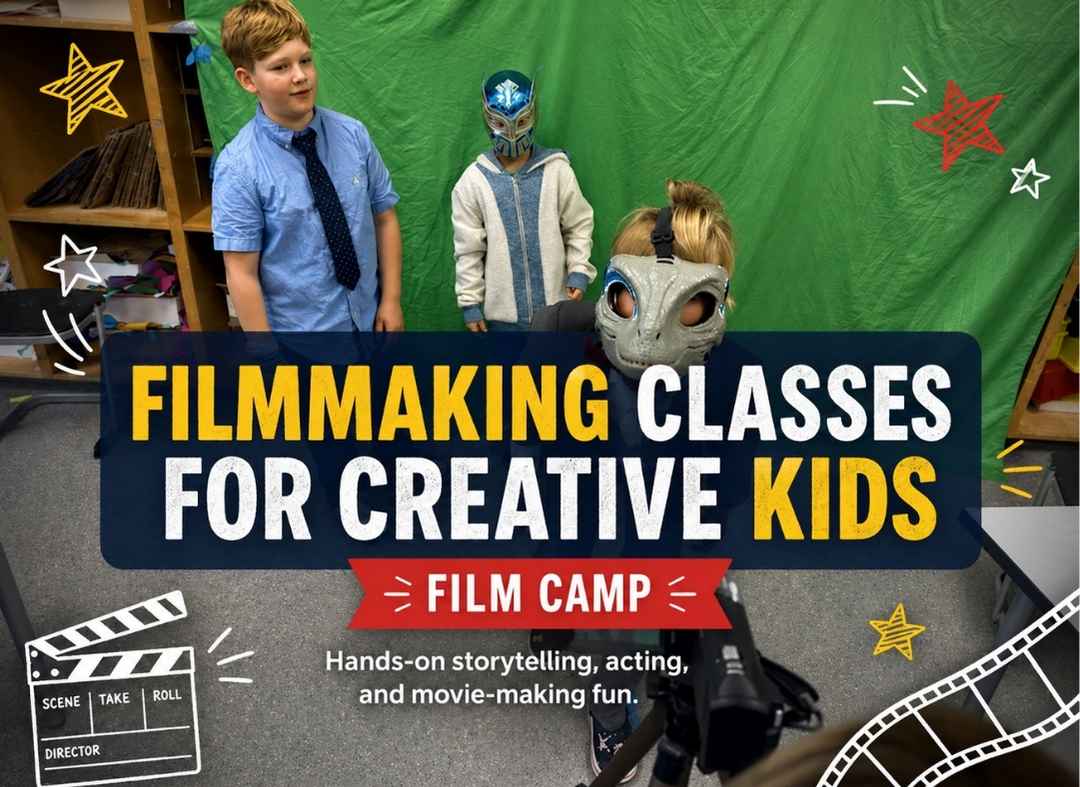
Discover why filmmaking classes help creative kids build confidence, teamwork, and storytelling skills through hands-on movie projects at Film Camp Los Angeles, where beginners learn by creating real short films.
Read >.jpg)
Weekend film classes in Los Angeles teach kids ages 8 to 14 filmmaking every Sunday in Glendale. Compare real costs, curriculum, safety, and what to ask before enrolling your child.
Read >
Thanksgiving break film camps fill the three school-free days in Austin, Los Angeles, and San Francisco. Kids ages 7 to 14 write, shoot, edit, and premiere their own short film.
Read >.jpg)
Discover how kids ages 7–14 learn screenwriting, acting, directing, camera work, editing, teamwork, and confidence at Los Angeles Film Camp in Glendale while creating and premiering their own short film.
Read >.png)