Discover the best summer camps in Austin for kids. Compare creative, sports, STEM, and filmmaking camps by age, cost, and personality fit. Find a safe, fun, skill-building summer your child will love.
.jpg)
Every summer, the same worry creeps in. Will my child just stare at a screen for three months again?
You want a camp that feels fun for your child and meaningful for you. Something with real activities, real growth, and real memories worth talking about at dinner.
Good news: Austin has more options than most cities. Sports camps. Coding camps. Outdoor adventure programs. Art and theater studios. And a growing wave of creative camps, including filmmaking programs where kids actually write, act, and direct their own short movies.
This guide breaks down the best summer camps in Austin for kids, what they cost, how to choose one, and how to spot a camp that's worth your money.
Some kids want sports. Others want a place where their imagination finally feels useful. Both are valid. You just need the right fit.
Let's find it.
Austin's summer camp scene works like a buffet table. Some kids grab sports. Others discover filmmaking, coding, or storytelling for the first time. The "best" camp depends entirely on your child.
But here's the short answer most parents want: the best camps in Austin combine safety, structure, and real learning. Not just busy work.
The best summer camps in Austin for kids include:
Most run weekly, accept ages 4 to 17, and cost between $200 and $700 per week. Why settle for a camp that only fills time when your child could build real skills too?
Austin isn't just a music city anymore. It's becoming a playground for creative learning.
The city's mix of tech companies, film studios, artists, and family-focused neighborhoods means there's a camp for almost every interest. Tech parents launched coding bootcamps for kids. Film professionals opened youth filmmaking programs. Outdoor lovers built nature schools.
For Austin families, that means more choice, more quality, and more chances to find something your child genuinely loves.
Not every child thrives in the same environment. A fish can't climb a tree, and a quiet creative child may not thrive in a loud competitive camp either.
Start with these three questions:
If your child loves making YouTube videos at home, a filmmaking camp will feel like a dream job. If they live for the soccer ball, a sports camp wins. If they're shy but creative, a small-group film class often works better than a big outdoor program.
The right camp matches your child's personality, not just their age.
Austin offers a wider variety of camps than most parents realize. Some camps drain energy. Others light a creative spark that lasts all year. Here's a quick tour of the main categories so you know what's out there.
These are the familiar, all-purpose camps. Think: games, crafts, swimming, group activities, and a steady weekly routine.
They're great for:
Some kids need adventure. Others thrive with routine and structure. Day camps cover both for most age groups.
For kids who'd rather be outside than anywhere else.
Outdoor camps in and near Austin include hiking, swimming, rock climbing, kayaking, and nature exploration. Some are nature-school style, some are full adventure programs with overnight options.
For some kids, four walls feel like a cage by June. These camps give them room to climb, explore, discover, and build with their hands and feet.
Sports camps cover soccer, basketball, tennis, swimming, gymnastics, martial arts, and more.
Kids don't just burn energy. They build discipline too. They also pick up teamwork, goal-setting, and the kind of confidence that only comes from finally landing a skill they practiced for days.
Great for active kids who learn best by moving.
STEM camps in Austin range from beginner robotics to coding, game design, engineering, and 3D printing.
What if your child's summer hobby turned into a future career skill?
The best STEM camps blend:
Modern parents like that this isn't school. It's hands-on, fun, and forward-looking.
For kids who light up around paint, costumes, music, or stories.
Some kids don't need louder rooms. They need safer stages. Creative camps give expressive kids a place to be themselves without fear of being judged.
Common formats include:
These camps are especially powerful for shy or emotionally expressive children who need a confidence boost.
What happens when kids stop watching stories and start creating them?
Filmmaking camps are one of the fastest-growing categories in Austin, and for good reason. They combine almost every skill modern parents care about:
Programs like Film Camp Austin let kids actually write, act in, direct, film, and edit their own short movies in just one week. By Friday, families gather for a real premiere screening.
For creative, story-driven kids, it's one of the most rewarding ways to spend a summer week.
For kids ready for a bigger step.
Overnight camps in the Texas Hill Country and around Austin offer cabins, campfires, swimming, horseback riding, and full-on independence training. The first overnight away from home feels scary for parents and thrilling for kids.
These are best for tweens and teens who've already done day camps and want something more adventurous.
Not every family has a $600-per-week budget, and that's okay.
Affordable options in Austin include:
Every child deserves a summer that feels exciting, creative, and meaningful, no matter the budget.
A few years ago, sports and STEM dominated summer camp lists in Austin. Now creative camps are catching up fast.
Why? Because parents are tired of summers that feel wasted, and kids are craving real ways to express themselves.
Kids don't just want more entertainment. They want a chance to matter, create, and be heard.
What parent wants summer to feel like babysitting with a bigger price tag?
Parents today want more than supervision. They want their child to come home with new friends, new skills, and a finished project they can show off.
Instead of "your child learns skills," the better promise is this: your child becomes a creator, storyteller, or confident speaker. That's the kind of summer worth paying for.
Passive learning fades fast. Hands-on learning sticks like glue.
When kids build, direct, create, film, edit, or collaborate, they're learning in a way that worksheets never match. They remember it. They talk about it months later. And they often come back from camp asking when they can do it again.
That's the magic of project-based learning.
Some camps keep kids busy. Great camps help kids grow.
In creative camps, kids learn:
These aren't soft skills. They're life skills. And they show up at school, at home, and in friendships long after camp ends.
A movie set is like a playground where creativity finally gets a job to do.
Kids already love movies, YouTube, acting, and storytelling. Filmmaking camp turns that natural interest into real skills:
It's one of the few camp formats that blends performance, technology, communication, and creativity all in one week. For story-driven kids, it's a perfect match.
Most kids spend summer watching screens. Film campers learn how to control them.
Film Camp Austin is a one-week, hands-on filmmaking program where kids ages 7 to 17 write, act in, direct, film, and edit their own short movies. By Friday, parents are invited to a real premiere screening.
It's not a lecture-style class. It's a working movie set built for kids.
Here's how a typical Film Camp week unfolds:
By Friday afternoon, most campers can't believe what they created together.
Every film starts with a story, and every story starts with an idea.
Some kids carry entire movie worlds inside their heads. They just need a place to bring them to life. At Film Camp, kids learn the basics of:
Their ideas shape the final film. That ownership is what makes the experience stick.
What if the quiet kid in class simply hasn't found the right stage yet?
Acting at Film Camp isn't about pressure or perfection. It's playful, beginner-friendly, and built around teamwork. Kids learn:
Shy kids often surprise themselves here. So do their parents.
Handing a kid a camera can feel like handing them a whole new way to see the world.
Campers learn how to:
It's leadership training disguised as creative play.
One minute kids are in Austin. The next minute they're filming scenes in outer space.
Green screen days are a camper favorite. Kids learn how movie magic actually works, then experiment with their own visual effects. It's the kind of activity they tell every friend about.
Editing is where the story finally comes together.
Campers learn the basics of cutting scenes, adding music, and shaping the final film. Then comes the moment everyone's been working toward: the Friday premiere.
Friday's premiere often becomes the moment parents realize how much confidence their child gained in just one week.
Some kids arrive wanting to act. Others leave excited about directing, editing, or storytelling.
That's by design. Every camper rotates through every role on set. They don't get pigeonholed. They get to discover what they actually love, which is one of the most valuable things a creative camp can offer.
Your child may discover strengths they never knew they had.
A great summer camp should feel challenging enough to excite kids, but safe enough to help them grow.
Most Austin camps accept ages 4 to 17, but each age group thrives in a different kind of program.
Younger kids need short activities, lots of movement breaks, and gentle guidance from caring staff.
The right camp at this age feels like a second playground with mentors nearby. Look for:
Most filmmaking and intensive creative camps start at age 7. Before that, play-based camps usually work best.
At this age, curiosity spreads faster than spilled glitter.
Kids ages 7 to 10 are perfect for skill-discovery camps. They're old enough to focus, young enough to try anything, and at the sweet spot for finding their first big interest.
Great fits include:
This is often when a child discovers their first "thing."
Tweens don't want to feel treated like little kids anymore. They want challenges that actually feel real.
This age group thrives in camps that offer:
Filmmaking camps work especially well here because tweens get to lead scenes, make creative decisions, and present finished work to their families.
For some teens, one creative summer project becomes the moment they discover what they truly love.
Teens often want camps that feel grown-up, skill-focused, and future-oriented. They want:
A finished short film, a coding project, or a theater performance can spark real direction for teens.
Parents often worry their child will be too young, too old, too new, or too advanced. At Film Camp, kids are grouped by both age and experience level so:
Small groups make this possible. Every camper gets seen, supported, and challenged at the right level.
A great camp doesn't just keep kids occupied. It keeps parents confident too.
Use this checklist to evaluate any camp on your shortlist.
Parents relax faster when the first five minutes of camp feel organized, calm, and secure.
Look for:
If the first morning feels chaotic, that's a red flag.
Great camps don't just hire energetic staff. They hire mentors parents can genuinely trust.
Ask about:
Vague answers usually mean weak systems.
Big camps may offer more noise. Small camps often create more growth.
Smaller groups mean:
It's one of the biggest predictors of how much your child will get out of camp.
Every expert starts as a beginner, and creative camps work best when kids feel safe enough to try.
Ask how first-timers are supported. Are activities guided step by step? Is there pressure to perform, or freedom to experiment? The answers matter more than fancy facilities.
Kids thrive when fun and structure work side by side instead of fighting each other.
A solid schedule includes:
If a camp can't describe a typical day, that's worth questioning.
Busy kids are tired by Friday. Growing kids are proud by Friday.
The best camps offer visible progress:
Look for camps that produce outcomes, not just attendance.
A showcase or finished project does something quietly powerful. It gives your child proof of their own growth.
The final showcase often becomes the moment kids realize, "Wait… I actually made this." That feeling sticks longer than any souvenir.
A cheaper camp may save money upfront, but a meaningful camp often delivers memories and skills that last far longer.
Here's what to expect when budgeting.
Parents make better decisions when pricing feels transparent instead of mysterious. In Austin, expect:
Filmmaking camps typically fall in the mid to premium range because of small group sizes and real equipment.
Some camps fill time cheaply. Specialty camps often build skills more deeply.
Specialty camps usually include:
You're paying for outcomes, not just hours.
Always ask. Look for camps where tuition covers:
Clear pricing helps parents focus on excitement instead of surprise expenses.
If a camp can't explain its value clearly before payment, what will communication look like later?
Smart questions to ask:
The early bird catches the worm, and parents who register early often get the best schedules too.
Many Austin camps offer:
Popular sessions fill quickly, so it pays to book early.
A smooth schedule helps kids feel comfortable faster and helps parents worry less too.
Some kids thrive with shorter bursts of activity. Others dive deeper when creativity has more room to breathe.
Filmmaking and creative camps usually run full-day because real projects need time.
Most Austin camps run in one-week sessions throughout June and July, with some August options.
Flexible weekly sessions make summer planning feel far less overwhelming for busy families. You can mix camps, schedule around vacations, or repeat favorites.
A little extra scheduling flexibility can make a huge difference during busy summer weeks.
Many camps offer:
Helpful for working parents who can't time their day around 9-to-3 schedules.
One moment kids brainstorm story ideas. A few hours later they're directing scenes with cameras in hand.
A standard Film Camp day looks like this:
By lunchtime, kids may already be writing scenes, testing cameras, or laughing through retakes with teammates.
Creative projects grow slowly, almost like planting seeds that finally bloom by Friday.
A 5-day camp gives kids time to:
It's the perfect length for a finished film, a deep friendship, and a real sense of accomplishment.
Summer camps don't just fill calendars. They often shape memories and confidence that last for years.
Sometimes confidence grows quietly, one brave little moment at a time.
It might be speaking up in a group, trying a new activity, or finishing something they didn't think they could. Parents often notice the change in the first week home.
Kids grow fastest when they feel supported enough to try things on their own.
Camp gives kids small daily wins: making decisions, managing their own time, solving small problems, and handling new social situations.
What happens when kids stop hiding their ideas and finally start sharing them confidently?
In collaborative camps, kids learn to:
Skills that matter in classrooms, friendships, and eventually careers.
Some friendships begin over shared snacks. Others begin while filming scenes together under bright summer skies.
Camp friendships often feel deeper than school friendships because kids are doing real things together, not just sitting next to each other.
Watching content all summer drains energy. Creating content builds confidence.
That's why filmmaking camps work so well for modern kids. Technology becomes a creative tool, not a passive habit.
The smile kids wear during the final showcase often says more than any camp brochure ever could.
A finished film, art piece, or performance becomes a memory anchor. Years later, your child will still remember what they made and who they made it with.
Not every child wants to score goals on a field. Some want to build worlds with stories, cameras, and imagination.
If that sounds like your child, creative camps may be exactly what they need.
Some kids carry entire stories inside their heads like little movie theaters waiting to open.
Look for camps that include:
Filmmaking camps are especially strong here because they turn imagination into finished work.
What if your child stopped watching creators for a week and became one instead?
If your child quotes movies, makes home videos, or dreams of having a YouTube channel, a filmmaking camp will feel like the most exciting week of their year.
Shy kids don't need to be pushed into the spotlight. Sometimes they simply need a safer stage.
Small-group creative camps work especially well for quieter kids because:
Many shy kids leave camp with their first real "I can do this" moment.
One camper may fall in love with acting. Another may discover they love controlling the camera instead.
Filmmaking camps let kids try every role: actor, director, writer, camera operator, editor. By the end of the week, they often discover a creative side they never explored before.
Theater camps teach performance. Film camps teach storytelling, teamwork, directing, editing, and production too.
Film Camp blends everything creative kids love into one project:
It's one of the most complete creative experiences available for kids today.
Parents enjoy summer more when they know their child is learning in a safe, structured environment.
Parents trust camps faster when safety systems feel visible instead of hidden behind marketing language.
Ask about:
Kids grow faster when instructors can actually notice their strengths, struggles, and progress.
Good ratios usually fall between 6:1 and 12:1, depending on the age group and activity type. Specialty camps often run smaller.
Parents feel calmer when camps clearly explain how they prepare for unexpected situations.
Ask about weather plans, injury protocols, and communication systems. You want clear answers, not vague reassurance.
Small details often create the biggest peace of mind for parents.
Make sure the camp collects:
And ask how that info is shared with staff.
Simple pickup systems help busy summer afternoons feel smoother and safer for everyone.
Look for camps that use:
Kids learn best when they feel respected, supported, and safe enough to make mistakes.
Ask how staff handle:
You want camps that lean on respectful guidance, not harsh discipline.
The best camps don't avoid parent questions. They welcome them.
Kids learn best when they feel comfortable around peers close to their own age and experience level. Always confirm age groupings before booking.
Every filmmaker, actor, or storyteller starts somewhere, and summer camp should feel exciting, not intimidating.
Most quality camps welcome beginners. Ask how first-timers are supported on day one.
You want concrete answers, not buzzwords. A good camp can walk you through:
If they can't, keep looking.
Great instructors don't just teach skills. They help kids feel seen, supported, and encouraged.
Ask about instructor backgrounds, training, and experience working with kids. At Film Camp, instructors come from real filmmaking backgrounds and know how to mentor young creators.
Kids remember the fun. Parents remember the moment they watched their child proudly share something they created.
Look for camps with a visible outcome, whether it's a performance, a film, a portfolio, or a finished build.
In smaller groups, quiet kids speak up faster and creative kids receive more attention.
Ask for the actual ratio, not just "small groups." Anything under 12:1 is solid.
The final day often feels less like the end of camp and more like the celebration of everything kids accomplished together.
At Film Camp, Friday means a real premiere screening. Snacks, applause, proud parents, and big smiles. That moment is why most families come back.
Most kids spend summer consuming stories. Film campers learn how to create them.
Here's what makes Film Camp Austin stand out.
By the final screening, many campers can hardly believe they helped create a real short film in just one week.
Not a worksheet. Not a "kind of" project. A real movie, with a real story, a real cast, and a real audience.
One camper may discover a love for acting while another realizes editing feels like solving a creative puzzle.
Every role gets explored. No one gets stuck in a box.
In smaller groups, instructors notice quiet breakthroughs that large camps often miss.
That means more support, more growth, and more moments where your child feels truly seen.
Creative confidence grows faster when kids feel safe enough to try without fear of getting things wrong.
Total beginner? Perfect. The whole program is built to make new campers feel welcome from minute one.
The final screening often becomes the moment parents realize how much their child grew in just a few days.
Friday's premiere isn't just a camp activity. It's a celebration. You'll see your child's name on screen, their work in front of an audience, and their face glowing with pride.
Some kids don't just watch stories. Their minds naturally build them everywhere they go.
If that sounds like your child, Film Camp will feel like home.
The best summer memories often begin with one simple registration decision.
Summer calendars fill quickly, especially once families start planning vacations and activities.
Film Camp Austin runs weekly sessions throughout June and July. Pick a week that fits your family's summer plans and book it early.
The right location can make busy summer mornings feel far easier for parents and kids alike.
Check the Film Camp Austin page for current locations and choose the one closest to home or work.
Smaller camp groups often fill faster because parents value personalized attention.
You can enroll directly through Film Camp and secure your child's spot in just a few minutes.
First-day nerves are completely normal, especially before exciting new experiences.
Pack:
That's really it. Cameras and gear are provided.
The final screening often feels less like a camp activity and more like a celebration of creativity, teamwork, and growth.
Bring family, bring friends, bring tissues if you're sentimental. It's the kind of Friday afternoon you won't forget.
The best camp answers often sound simple because great programs remove confusion instead of creating it.
For creative kids who love storytelling, acting, or making videos, Film Camp Austin is one of the strongest options in the city. Kids spend the week writing, acting, directing, filming, and editing their own short movie, then premiere it for family on Friday.
Creative kids often thrive when camps let them build something meaningful instead of simply following routines.
Most kids are ready for camp between ages 4 and 6 if it's a short, play-based program. For skill-based camps like filmmaking, ages 7 and up usually work best.
Every child grows at a different pace, and the best first camp experiences feel exciting rather than overwhelming.
Some families need flexibility. Others want a full creative experience that lasts all day.
Austin offers both. Half-day camps are common for ages 4-6. Most full-day camps run roughly 9 AM to 3 PM, with optional extended care.
Most Austin day camps range from $200 to $700 per week. Community and city camps cost less. Specialty camps like filmmaking, STEM, or premium sports cost more because of smaller groups and real equipment.
Clear pricing helps parents compare camps confidently instead of guessing what hidden fees may appear later.
Yes, plenty. Most quality camps in Austin are beginner-friendly, including Film Camp, which welcomes kids with zero filmmaking experience.
The best beginner camps make kids feel excited to learn instead of nervous about keeping up.
Pack:
A little preparation helps kids walk into camp feeling far more confident on day one.
Yes. Film Camp is one of the best environments for shy kids because of its small groups, supportive instructors, and variety of roles. Quieter kids can start with writing, editing, or camera work, then often try acting once they feel comfortable.
Some shy kids bloom slowly, almost like flowers opening once they finally feel safe in the sunlight.
No experience is needed. Every camper learns the basics step by step, and instructors guide first-timers through every role.
Every creative expert starts as a beginner with curiosity and a little courage.
Yes, a real short film. Kids write the script, act in the scenes, operate the cameras, direct, and edit. Then families gather Friday for a premiere screening.
Kids often arrive nervous on Monday and leave Friday proudly watching a movie they helped create.
Most popular Austin camps start filling up in January and February. To get your preferred week and location, book by March or April if possible.
The early bird catches the worm, especially when popular summer camp sessions begin filling up.
Childhood summers pass quickly, but creative confidence and meaningful memories often stay for years.
The right summer camp isn't about the flashiest activities or the longest brochure. It's about fit. Your child, their personality, their interests, and what they need most this summer.
The best camps feel less like obligations and more like places where kids finally get room to shine.
If your child loves stories, screens, costumes, or creating videos at home, a filmmaking camp will likely feel like a perfect fit. If they live for movement, sports camps win. If they're curious about how things work, STEM camps shine.
Start with who your child is, then find the camp that meets them there.
A great camp doesn't just keep kids entertained. It helps them grow safely, creatively, and confidently.
Use the safety checklist above. Ask the questions. Trust your instincts. If a camp feels rushed, unclear, or evasive, keep looking.
As the saying goes, a child is like a seed. Give them the right environment, and they grow in amazing ways.
The best camps leave kids with new confidence, new friendships, new skills, and a finished project they can point to and say, "I made that."
Long after summer ends, kids often remember the moments when they felt creative, confident, and proud of what they built together.
If you want a summer week that feels meaningful for your child and easy for you, Film Camp Austin is ready when you are. Small groups. Real films. A Friday premiere your family will remember for years.
Your child has a story waiting to be told. This might be the summer they finally get to tell it.
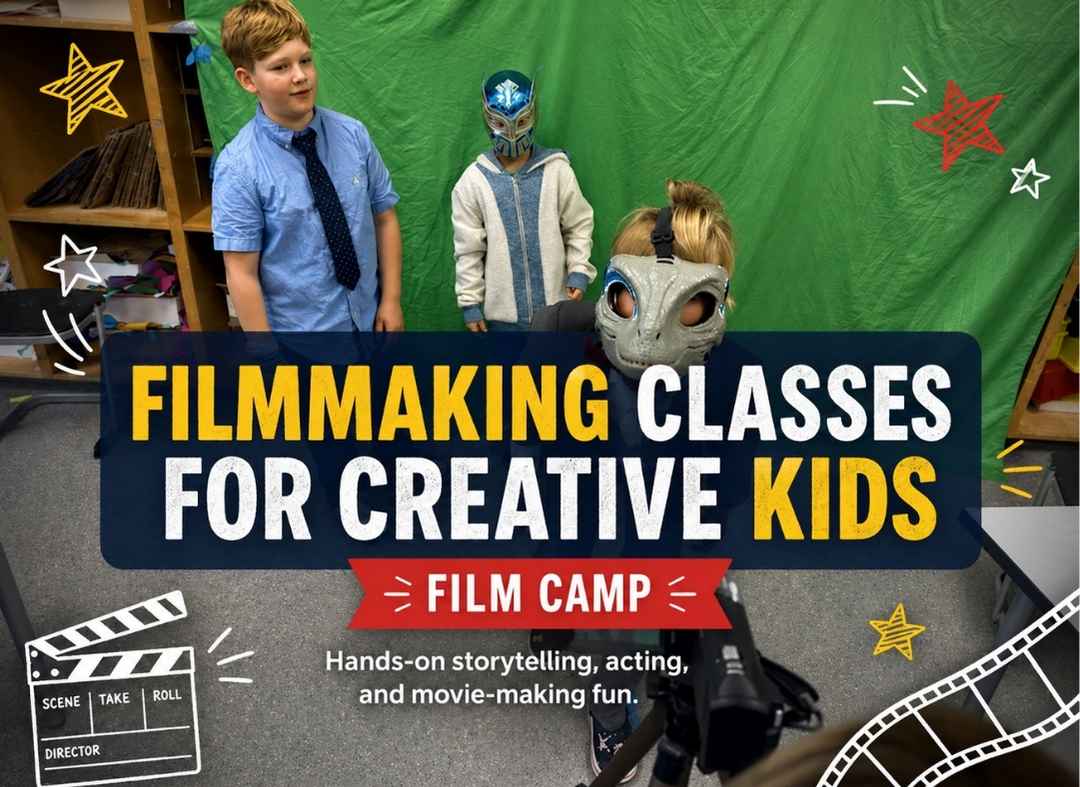
Discover why filmmaking classes help creative kids build confidence, teamwork, and storytelling skills through hands-on movie projects at Film Camp Los Angeles, where beginners learn by creating real short films.
Read >.jpg)
Weekend film classes in Los Angeles teach kids ages 8 to 14 filmmaking every Sunday in Glendale. Compare real costs, curriculum, safety, and what to ask before enrolling your child.
Read >
Thanksgiving break film camps fill the three school-free days in Austin, Los Angeles, and San Francisco. Kids ages 7 to 14 write, shoot, edit, and premiere their own short film.
Read >.jpg)
Discover how kids ages 7–14 learn screenwriting, acting, directing, camera work, editing, teamwork, and confidence at Los Angeles Film Camp in Glendale while creating and premiering their own short film.
Read >.png)