Combining weekend filmmaking classes with summer camp builds steady skills plus real projects. Kids practice weekly, then apply everything at camp, finishing a real film and growing confidence year-round.
.jpg)
Your kid loves making videos. But where does that go next?
Here's the thing most parents miss. Learning a skill is one thing. Applying it in a real project is another. A weekend class teaches the moves. A summer camp puts those moves to work.
When you combine both, something clicks. Skills stop fading between sessions. Your child builds, practices, then creates something real.
Most families treat these as separate buys. That's where money and momentum leak out. Disconnected activities don't stack. They reset.
This guide shows you how weekend classes and summer film camps work together. You'll see how steady practice plus immersive projects drive real filmmaking skill progression. No fluff. Just a clear path from curious beginner to finished filmmaker.
Think of skill growth as two parts. One part is steady. One part is intense.
Weekend classes give your child small, regular reps. They show up, learn a concept, practice it, get feedback. Then they come back next week and do it again. That rhythm builds memory.
Summer camp does something different. It drops kids into a full production for days at a time. They write, shoot, and edit a real project. The skills get used, not just learned.
Weekend classes build the bricks. Summer camp builds the house.
This is the learn-practice-apply framework, and it's how strong year-round filmmaking programs work:
A good youth filmmaking program for ages 7 to 14 uses both. One feeds the other. Kids retain more because they keep using what they learn.
This isn't theory. It's how creative skills actually grow. Project-based learning sticks because the brain remembers what it makes.
Why run two programs instead of one? Because growth needs both depth and use.
Consistent exposure beats occasional exposure every time. A child who films a little each week stays sharp. A child who films once a year starts over each time. The gap erases the gain.
That's the core idea behind a real filmmaking learning pathway. You're not buying activities. You're building a creative development pathway with measurable steps.
Here's what the dual approach gives your child:
Don't plant a seed today and expect a tree tomorrow. Skills need time and repetition to root.
A structured approach also builds future readiness. Your child learns how to start a project, push through the messy middle, and finish strong. Those habits carry into school, sports, and life.
The purpose is simple. Give kids enough practice to feel ready, and enough application to feel proud. Film camp skill development works best when it never fully stops.
Who is this combined path for? More kids than you'd think.
Maybe your child already loves making videos but doesn't know what comes next. Maybe they're shy and need a low-pressure start. Maybe they're bursting with ideas and want a real crew.
This path meets each kid where they are. Youth film students grow at their own pace when programs match their stage. Let's break it down by age and goal.
At this age, fun comes first. Skill comes through play.
Like learning to ride a bike, filmmaking starts with small wins. Your seven-year-old points a camera and presses record. That's a win. They act out a silly scene. Another win. Each one builds courage.
We focus on exploration before technical mastery. Young kids don't need perfect framing. They need storytelling basics and the joy of making something.
Here's what beginners gain:
A child this age might film a 30-second pet movie. It won't win awards. But they made it. That pride fuels the next step.
Weekend classes suit this group well. Short sessions keep energy high. Kids stay excited and keep coming back for more.
Older kids want more. They're ready to lead.
Not just learning scenes, but leading scenes. At this age, kids can own a story start to finish. They direct. They shape ideas. They make real choices.
This group dives into advanced filmmaking skills:
A 12-year-old might lead a small crew on set. They call action. They solve problems on the spot. That's a huge leap in independence and achievement.
Kids this age thrive when you give them more control. They want their work to feel real. A combined class-plus-camp path gives them that. They practice the craft weekly, then run a full production at camp.
This one's for you, the parent.
What happens when learning stops for three months? Skills fade. That's not a guess. It's how memory works. Kids forget what they don't use.
You want year-round enrichment that actually holds. You want continuous learning benefits, not a summer high that vanishes by fall.
Here's the relief. Skill retention science is on your side when learning stays consistent. A child who practices through the year keeps and grows their skills. The summer camp then becomes a peak, not a reset.
A combined path solves the gap. Weekend classes keep the engine running. Summer camp pushes it harder. You get steady growth instead of stop-and-start.
This is what real creative education programs look like. Not one event. A connected journey.
What should your child actually walk away with? Clear, real outcomes.
Good programs tie every goal to something you can see. Not vague promises. Observable results. Here's what strong filmmaking learning objectives look like in practice.
Picture your child a year from now. They speak up more. They finish what they start. They hold a finished film in their hands. That's the target.
Confidence isn't taught. It's built, one win at a time.
Each time your child finishes a small task, they grow. They tried something. They did it. Repeated practice turns nervous beginners into confident creators.
A shy kid who films one scene this week films two next week. The creative confidence stacks. By camp, they're ready to lead.
That's artistic growth you can actually watch happen.
Filmmaking isn't one skill. It's a cluster.
One skill often unlocks all the others. A child who learns storytelling skills suddenly films better. They know what shot they need. They know how to edit for impact.
Your child builds across four core areas:
These skills feed each other. Strength in one lifts the rest.
Films don't get made alone. They get made by crews.
Your child learns teamwork skills by doing real work with peers. They split roles. They share ideas. They fix problems together when a plan falls apart.
Picture a small crew losing daylight on a shoot. They adapt. They reshoot the scene indoors. That's creative problem-solving in action.
This communication development sticks because kids feel it. They belong to something. They matter to the team.
Here's the goal that beats them all. A real, finished film.
Many kids doubt themselves before they finish. They think their idea is bad. They worry it won't work. Then they hit play on the final cut, and everything changes.
A finished short film is proof. Proof they can start, struggle, and finish. That student film production experience builds pride nothing else matches.
A finished student film isn't just a video. It's evidence your child can create.
Why do both programs work better together? Because depth needs application.
Practice sharpens the tool. Projects put the tool to work. A class alone leaves skills sitting unused. A camp alone moves too fast to build depth. Together, they create a real skill progression model.
This is immersive learning paired with steady reps. The combo locks skills in for good.
Weekend classes give your child stability. The same skill, week after week.
This skill reinforcement is quiet but powerful. Your child learns shot framing in week one. They practice it in week two. By week four, it's automatic.
Weekly filmmaking classes build a deep base:
Depth comes from doing things again. And again. Steady wins the race.
Then summer hits. And everything speeds up.
At an immersive film camp, kids stop drilling and start making. They take all those weekly skills and use them in one big push. The production experience is real, fast, and exciting.
What happens when a child finally uses everything they've learned at once? Magic. Skills they practiced alone now serve a real story. That's the spark camp creates.
Put them together and you get something neither does alone.
Learn slowly. Apply quickly. Improve continuously. That's the rhythm of real skill mastery. Weekly classes build the base. Summer camp tests it. The cycle repeats and grows.
This accelerated learning loop is why year-round filmmaking beats a one-time event. Your child never plateaus. They always have a next step.
That's the certainty parents want. A clear, connected path forward.
Let's clear this up. These aren't competitors. They're partners.
Each does a job the other can't. Knowing the difference helps you plan. So let's compare them side by side, then answer the big question.
Weekend ClassesSummer CampPaceSteady, weeklyIntensive, dailyBest forOngoing practiceFull project completionTimeShort sessionsMulti-day immersionOutputSkill buildingA finished filmStrengthDepth and habitApplication and momentumFeelingConsistencyAccomplishment
Both belong in your child's path. Here's when each one shines.
Weekend classes win on consistency.
Weekly instruction keeps skills fresh all year. Your child never goes cold. Each class adds a little more.
The benefits stack up:
This is the slow burn that builds real ability.
Summer camp wins on output.
In one intensive learning stretch, kids make a complete film production. They don't just learn. They finish. That accomplishment changes how they see themselves.
A week of full focus produces something a weekly class can't. A real movie, start to end.
So which comes first? Depends on your child.
For shy or brand-new kids, start with beginner film classes. The low pressure builds comfort. By summer, they're ready for camp.
For highly motivated kids, camp first works great. They dive in, catch fire, then keep the spark alive with weekend classes after.
Here's the relief in this parent decision guide. There's no wrong order. Both lead to the same place. A confident young filmmaker with a finished film.
Weekend classes do quiet, important work. They build the base.
Each session adds a layer. Over time, those layers become real filmmaking fundamentals. Here's how that growth happens, step by step.
First, kids learn the idea.
A class introduces one filmmaking concept at a time. What a shot is. Why a story needs a beginning. These film education basics give kids a clear starting point.
No overwhelm. Just one clear idea, explained simply.
Next, they try it.
Kids run small filmmaking drills to practice the new skill. A framing exercise. A short acting beat. These beginner exercises turn ideas into ability.
Practice builds confidence. Confidence builds momentum.
Then comes feedback. The good kind.
An instructor watches and offers instructor feedback. Not criticism. Coaching. Small tips lead to fast performance improvement.
Kids learn that mistakes aren't failures. They're how you grow.
Each week, progress shows.
Classes track learning milestones so kids see their growth. Progress monitoring turns vague effort into clear wins. Your child knows exactly how far they've come.
That visible progress reassures both kids and parents.
By summer, your child feels ready.
Weekly classes are camp preparation in disguise. The readiness building happens quietly each week. So when camp starts, your child walks in confident, not nervous.
That head start makes camp far more fun.
Some kids need a gentle start. That's okay.
Not every child wants to be in front of the camera on day one, and that's perfectly okay. Beginner-friendly classes offer low-pressure participation options.
A shy kid can start behind the camera. They can run sound. They can write. Inclusive learning means there's a role for everyone.
This confidence support helps quiet kids find their footing. They join at their own pace. They feel safe. Then they grow.
Now the fun part. Summer camp turns knowledge into real experience.
If weekend classes are the practice field, summer camp is game day. Kids take everything they've learned and use it for real. Learning speeds up when skills get applied right away.
Here's how the filmmaking camp experience drives fast growth.
Camp is built on doing.
What happens when a child's idea becomes a real movie? They light up. Practical filmmaking turns daydreams into footage. Kids write, shoot, and build student productions they actually care about.
Project-based learning sticks harder than any lecture. Kids retain skills longer when they create rather than observe. Creative project completion is the heart of camp.
Camp is also social. Kids create together.
Many kids feel more confident when they create with peers instead of working alone. Collaborative projects make filmmaking fun and less scary.
Picture a small crew on set:
We rotate roles so everyone tries everything. This filmmaking teamwork builds communication skills and real friendships. Kids belong to a crew.
A little challenge sparks big growth.
Not pressure to win, but opportunities to improve. Creative challenges push kids just enough. A fun filmmaking contest gives them a goal to chase.
Here's a secret. Small creative constraints often boost creativity more than total freedom. A "make a 60-second film" rule forces clever choices. These skill development activities stretch young filmmakers in the best way.
Then comes the moment. The screening.
Every camp ends with a student showcase. Kids watch their work on a big screen. This final screening turns effort into pride.
Picture a parent watching their child's film light up the room. That look on the kid's face? Unforgettable. Creative achievement feels real when it's shared.
Public presentation strengthens ownership and confidence. Kids own what they made.
Camp is where class skills come alive.
Knowledge becomes skill only when it leaves the notebook. All those weekly drills now serve a real shoot. Applied learning shows kids what they truly know.
Application reveals gaps fast. A kid finds out they need more editing practice, right when it matters. That's where real-world filmmaking accelerates growth. The production experience teaches what no class can.
The biggest win? A finished film.
A journey is measured by the finish line, not the first step. Many kids start projects. Far fewer finish them. Camp helps them cross that line.
Finishing one short film project teaches more than starting five. Your child learns the full arc, from idea to production completion. That finished student film becomes proof they can do hard things.
Growth follows a path. Let's map it.
Every filmmaker starts with curiosity and grows through experience. A clear roadmap helps you see where your child is headed. Here are the filmmaking progression stages, level by level.
The first stage is about comfort, not perfection.
Beginners learn filmmaking basics in a friendly space. We prioritize confidence over polish. A new filmmaker should feel excited, not judged.
These beginner skills include pointing a camera, telling a simple story, and finishing a tiny project. Small wins. Big impact.
Next, kids grow into real roles.
At the intermediate filmmaking stage, kids take on expanded responsibilities. They start to specialize. One loves editing. One loves directing.
Role specialization keeps kids engaged. They go deeper in what they love. They contribute more to each project.
Advanced kids lead. And they mentor.
At this level, kids handle advanced production skills and take leadership roles. They run crews. They make big creative calls.
The best advanced kids mentor younger ones. Teaching cements their own skills. Ownership and achievement define this stage.
The final stage is mastery through completion.
Your child finishes a polished completed film project. This mastery level work isn't just practice. It's a portfolio asset they can show.
A finished film proves how far they've come. It's something to be proud of for years.
Here's the whole journey in one line.
A curious kid picks up a camera. They practice. They struggle. They lead. Then one day, they screen a film they made.
That's the creative journey. From a spark of curiosity, through real confidence growth, to a finished movie. Filmmaking success isn't one moment. It's a transformation you watch unfold.
This is why combining both programs works. It carries kids through every stage.
Filmmaking teaches more than filmmaking. Way more.
Kids learn filmmaking skills, but they also learn life skills. Many parents value those life skills most. Here are five growth areas that reach far beyond the camera.
Filmmaking sticks in the brain.
When kids repeat and apply technical filmmaking skills, those skills last. Repetition plus application improves knowledge retention. It's how the brain locks learning in.
A child who edits weekly remembers editing. A child who only watches forgets it.
Crews build hearts, not just films.
Working together drives social development and emotional growth. Kids learn to share, listen, and support each other.
Picture a kid cheering on a nervous castmate. That's emotional learning in action. Collaboration speeds it up. Kids feel they belong.
Setbacks make kids stronger.
Filmmaking is full of small failures. A shot goes wrong. A plan falls apart. Kids learn to bounce back. That builds real resilience building.
Controlled failure often creates stronger learning than easy wins. Each fix grows independence skills. Kids learn to solve their own problems.
Stories teach kids to connect.
Stories are bridges between ideas and people. Through narrative development, kids learn to share what they think and feel. That strengthens their communication skills.
A child who tells a clear story can give a clear speech. Self-expression grows with every script they write.
Filmmaking grows leaders.
Not just following directions, but learning to guide others. Kids take on leadership training through crew roles. They learn role accountability and teamwork leadership.
Rotating leadership roles builds confidence. Today's sound tech is tomorrow's director. Each role teaches responsibility and pride.
Filmmaking covers a huge range of skills. Let's see the full set.
Kids learn how to make films, but they also learn how to think, communicate, and collaborate. Strong programs teach technical, creative, and people skills at once. Here's the full filmmaking curriculum.
It all starts with a story.
Every film starts as a blank page waiting for a voice. Kids learn scriptwriting for kids and basic story structure. They shape ideas into scenes.
Strong stories usually start with relatable characters, not complex plots. We teach kids to build characters first. That storytelling confidence carries into every film they make. Even screenplay basics make a big difference.
Then they learn to perform.
Many kids feel nervous on camera at first, and that feeling is completely normal. We help them ease in. On-camera acting builds confidence and courage.
Camera acting focuses on subtle expression, not big stage moves. A small look can say a lot. Kids learn that performance skills are about feeling, not showing off.
Next, some kids step up to lead.
Not just creating ideas, but guiding ideas into action. Directing teaches directing techniques and production leadership. Kids learn to make calls and guide a crew.
Directing teaches communication as much as filmmaking. A director must explain a vision clearly. That builds real decision-making skills.
Now the technical fun begins.
Why does one shot feel exciting while another feels ordinary? It's all in the framing. Kids learn camera techniques and shot composition.
We teach framing before equipment. A great shot isn't about a fancy camera. It's about visual storytelling and smart choices. Good camera operation starts with the eye.
Then they bring it all together.
Editing is where separate pieces become a complete story. Kids learn video editing, audio recording, and the full post-production flow.
Great editing often decides whether a film feels professional. So we teach kids real editing software training. They add music. They cut scenes. They make titles. The film comes alive.
Finally, the human skills.
Smooth seas never made skilled sailors. Film sets change constantly. Plans break. Kids learn collaboration skills and adapt on the fly.
Productions naturally teach flexibility because things always shift. A prop breaks. The light changes. Kids practice creative thinking to solve it. That teamwork development is a skill for life.
How does a full year look? Here's a clear map.
Each phase builds momentum for the next. A simple timeline helps you plan a real year-round filmmaking plan. Let's walk through the phases.
Fall and spring build the base.
Weekend classes focus on foundational learning first. Kids learn habits before fancy techniques. This beginner filmmaking program sets the rhythm.
Show up. Practice. Improve. Repeat.
Summer turns up the heat.
This is where everything learned earlier begins to connect. The intensive film camp drops kids into a full immersive production experience. They make a real film.
Intensive projects accelerate retention. A week of full focus does what months of light practice can't.
After camp, the growth continues.
Continued learning keeps the summer gains alive. Without follow-up, skills fade. This post-program development phase prevents that loss.
Kids return to weekend classes with new confidence. They apply camp lessons week to week.
Here's a simple roadmap you can picture.
A clear plan helps you decide with confidence. Here's one structured learning pathway across a year:
This year-round filmmaking plan keeps growth steady. No long gaps. No lost skills. Just a clear path forward.
Where your child learns matters too. Local programs add real value.
We run camps in three creative cities. Each offers its own energy. But the goal stays the same everywhere. Steady growth toward a finished film.
Austin loves creativity. So do its young filmmakers.
Our Austin film camp pairs summer intensity with year-round momentum. Austin filmmaking classes keep skills sharp between sessions.
Kids build steady progress, then peak each summer. That creative enrichment Austin rhythm drives real growth. Consistency is the secret.
San Francisco runs on big ideas. Perfect for young storytellers.
Our San Francisco filmmaking camp leans into storytelling and teamwork. Kids learn that great stories grow from great collaboration.
These SF storytelling programs connect creative writing to real crews. Kids dream up ideas, then build them together.
LA breathes film. Your child feels it.
Our Los Angeles film camp offers real production training and screen acting classes LA style. The energy is hands-on and exciting.
We focus on practical learning, not celebrity dreams. Kids walk away with real skills and a finished film. That's what lasts.
Here's the truth about location.
The city creates opportunities, but consistency creates growth. A great city helps. But showing up week after week helps more.
Whether your child films in Austin, SF, or LA, the path is the same. Steady practice plus summer immersion. That's how long-term creative development happens. Local programs make it easy to stay consistent.
What makes a filmmaking program actually work? It's not fancy gear.
Great programs depend on people and processes more than expensive equipment. Here's what really supports your child's growth, broken into clear categories.
People matter most.
Good filmmaking instructors and student mentors shape outcomes more than any camera. Instructor quality affects results more than equipment.
Look for teachers who connect with kids. Skill plus warmth makes the difference.
Structure supports learning.
Strong programs use a real filmmaking curriculum and clear learning guides. Structured materials improve retention. Kids learn faster with a clear path.
Good materials turn lessons into lasting skills.
Gear should help, not overwhelm.
Programs need cameras, basic production equipment, and decent filming spaces. But simple often beats complex. Simplicity improves learning for young kids.
A simple setup lets kids focus on craft, not buttons.
Software brings films to life.
Kids use editing software and other digital filmmaking tools to finish their work. We teach workflows, not just software buttons. That readiness carries forward.
Knowing the process matters more than memorizing one app.
Your peace of mind comes first.
Parents should never have to wonder how their child is doing during a program. Strong supervision policies and clear parent communication build trust.
Here's what to expect from a safe program:
Consistent communication improves satisfaction. You should always feel in the loop. That security lets your child create freely.
So what's the real payoff? Let's add it up.
Kids gain filmmaking skills, but they also gain communication, leadership, and confidence. The biggest return often comes when creative skills and life skills grow together. Here's what your child takes home.
Skills that last. That's the first win.
Skills grow like muscles through consistent use. When kids revisit and apply skills regularly, learning sticks. That's strong skill retention.
A child on a year-round path keeps growing. They never start over. Repeated practice locks in knowledge retention.
Quiet kids find their voice.
Many kids discover confidence they didn't know they had. Creative projects help children express ideas more comfortably.
A shy kid who finishes a film stands taller. Their communication skills grow. That confidence building spreads into school and friendships. Self-expression becomes natural.
Doing beats watching, always.
What happens when kids stop watching and start creating? They learn deeply. Hands-on learning builds real ability.
Practical filmmaking through project-based learning sticks far longer than any lecture. Kids remember what they make.
Direction motivates kids.
A combined program gives your child a skill progression pathway. Clear milestones increase motivation. Kids know what comes next.
That structured learning moves them step by step toward performance readiness. No guessing. Just steady progress.
The best benefit? Real pride.
A finished student film is something a child keeps forever. Completion builds confidence more than unfinished projects ever could.
This project completion gives kids a student showcase moment. They made something real. That pride lasts a lifetime.
Let's be honest. Combining programs has real hurdles.
Parents often wonder whether their child can stay engaged throughout the year. Good question. Naming the filmmaking program challenges upfront builds trust. Here are the common ones, and they all have solutions.
Time is tight. We get it.
Busy families juggle a lot. Fitting in schedule flexibility can feel hard. Here's the relief.
Consistent attendance matters more than perfect attendance. Your child doesn't need every single class. Steady is enough. A few missed weeks won't break their growth.
Kids arrive at different levels. That's normal.
A room might mix beginner filmmakers with advanced learners. Without care, that creates frustration. With care, it works great.
Skill grouping improves outcomes. We group kids by ability so everyone learns at the right pace. Beginners feel safe. Advanced kids stay challenged.
What about the gaps? Good question.
Kids can lose steam between camp and classes. How do you keep the spark alive? Small projects help.
Encourage tiny home films during breaks. A weekend phone video keeps creative motivation going. Small creative projects help maintain momentum.
Screens worry parents. But not all screens are equal.
Watching content and creating content are not the same experience. One is passive. One is active and creative.
Filmmaking is productive screen time. Your child isn't just consuming. They're building. Creative technology use turns screen time into skill time.
Shy kids need a gentle door in.
Not every child jumps in front of the camera. That's fine. We give shy children off-camera roles first.
A quiet kid can run sound or write the script. That confidence support lets them join at their own pace. Safety first, then growth. Soon they feel they belong.
For every challenge, there's a fix. Here they are.
Strong programs proactively address common obstacles. You shouldn't have to solve these alone. Here's how good programs handle each one.
Start gentle. Build from there.
Weekend classes work as beginner preparation. They ease kids in slowly. Familiarity reduces anxiety.
By the time camp starts, your child knows the basics. They walk in ready, not scared. These filmmaking foundations build real confidence.
Match kids to the right group.
We use age-based learning and skill-based grouping to keep things fair. Similar skill levels improve collaboration. Kids work better with peers at their pace.
Beginners aren't rushed. Advanced kids aren't bored. Everyone grows.
Small goals create big momentum.
Each week brings a clear target. These weekly goals turn effort into visible learning milestones. Small wins create momentum.
Your child sees progress fast. That keeps motivation high all year.
There's a role for every kid.
Not every student needs to be on camera. Some direct. Some edit. Some write. We make sure every child has a filmmaking role they enjoy.
This student participation builds belonging. No one sits out. Everyone contributes.
You stay in the loop, always.
Strong programs prioritize parent communication. Frequent progress updates build trust. You know how your child is doing.
Frequent updates improve satisfaction and retention. No surprises. Just steady reassurance.
How do you measure progress? Carefully and kindly.
Evaluation should focus on growth, not perfection. Good programs track real skill gains without pressure. Here's how filmmaking assessment works.
Feedback happens every week.
Instructors watch closely and offer instructor feedback. This student observation catches growth and gaps early. Immediate feedback improves retention.
Like a good coach, the teacher guides, not grades.
Clear benchmarks show progress.
A simple filmmaking checklist tracks each skill. Story. Camera. Acting. Editing. This skill tracking makes growth visible.
Clear benchmarks motivate learners. Kids love checking off a skill they've mastered.
Teams reflect together.
After a project, the crew reviews their work. This project evaluation measures collaboration, not just film quality. Reflection strengthens learning.
Kids learn what worked and what to improve. That teamwork assessment builds real growth.
The screening is the big test.
Every program ends with a final screening or student presentation. Kids show their finished work. Public presentation reinforces accountability.
Standing behind your own film teaches pride and ownership.
Reflection closes the loop.
We invite both kids and parents to reflect. What grew? What's next? This learning reflection drives future progress.
Reflection improves future performance. Looking back helps kids move forward.
How do you pick a good program? Look past the marketing.
How do you know whether a filmmaking program is worth your investment? Simple. Look at outcomes, not promises. Outcomes matter more than marketing claims. Here's your checklist for the best filmmaking programs for kids.
Demand a finished film.
A quality program produces finished student projects, not just talk. Finished work demonstrates learning better than attendance.
If kids walk out with a real film, the program works. That's hands-on filmmaking done right.
Smaller is better.
Look for small class sizes and real practical instruction. More participation creates more learning.
In a small group, your child films more and waits less. That hands-on time builds skill fast.
Safety and warmth both matter.
Good programs use qualified instructors who are child-friendly educators. Teaching ability matters as much as filmmaking experience.
Ask about background checks. Ask how teachers connect with kids. Both count.
Match the group to the age.
Strong programs use age-appropriate instruction and smart student grouping. Developmental readiness influences learning outcomes.
A seven-year-old and a fourteen-year-old need different things. Good programs know that.
Clear systems give peace of mind.
Look for solid safety policies, simple pickup procedures, and steady parent communication. Clear systems reduce parent anxiety.
You should never wonder where your child is. Good programs make that easy.
Proof beats promises.
Ask to see student films. Read parent reviews. Check the showcase for real program testimonials.
Real outcomes provide stronger proof than promotional claims. Past student films show you exactly what to expect.
Real parents ask real questions. Let's answer the big ones.
These come straight from parent searches and forums. We'll answer each clearly, then explain. Direct help, no runaround.
Start with a class if your child is shy. Start with camp if they're highly motivated.
For a cautious beginner, weekend film classes for beginners ease them in. The low pressure builds comfort first. By summer, they're ready for camp.
For an eager kid bursting with ideas, camp first works great. They dive in and catch fire. Then weekend classes keep that filmmaking learning pathway alive. Either way, your beginner filmmaker wins.
Yes and no. Let's be honest.
One week can spark growth. Continued practice sustains growth. A single one-week film camp teaches real skills and produces a finished film. That's a big deal.
But true filmmaking skill development needs more than one week. Skills fade without practice. So a week creates momentum. Weekend classes turn that momentum into lasting ability. The combo is the answer.
Yes. In a good program, every child films.
Strong programs rotate technical roles. Your child won't just watch. They'll run the camera training for kids hands-on.
Ask any program directly. Good ones promise real hands-on filmmaking for every kid. If they hesitate, look elsewhere.
No problem. Acting is optional.
Not every child wants to be on camera, and that is perfectly normal. Shy kids filmmaking works great off-camera too.
Your child can direct, write, edit, or run sound. Those roles matter just as much. Over time, that confidence building often brings them in front of the camera. But only when they're ready.
Both. Filmmaking needs every kind of kid.
A film crew has room for dreamers and builders alike. Creative and technical filmmaking roles work side by side.
Creative kids love story and acting. Tech kids love cameras and editing. Both find their place. That's the beauty of filmmaking skills. There's a role for everyone.
Yes, when you see the full return.
Think beyond the camera. Film camp value includes communication, leadership, and confidence. Those skills last far longer than any single film.
Your child learns to finish projects. To work in a team. To solve problems. To speak with confidence. Those creative education benefits carry into school and life. That's a return worth far more than the price.
Check the policies before you enroll.
A safe film camp has clear rules. Ask about child supervision ratios. Ask about safety policies and pickup procedures.
Look for these signs:
Encourage yourself to review every policy before enrollment. A good program shares it all gladly. If they dodge, walk away.
Quick answers to common questions. Let's keep it simple and clear.
These short answers cover the basics. For more, reach out to our team anytime.
It helps, especially for shy or new kids. Weekend classes build camp preparation and comfort. Your child walks into camp confident, not nervous. But it's not required. Motivated kids can start with camp and add classes after. Both paths work.
Classes give steady weekly practice. Camp gives intense, immersive projects. Film classes vs film camp comes down to depth versus application. Classes build skills over time. Camp turns those skills into a finished film. The best filmmaking programs use both together.
Yes, and we encourage it. Our beginner filmmaking programs welcome kids with zero experience. Classes ease them in gently. The beginner film camp then lets them apply what they learned. No experience needed to start. Just curiosity and a willingness to try.
Our filmmaking programs for ages 7 to 14 fit a wide range. Younger kids focus on play and basics. Older kids take on directing and leadership. Both ages benefit from combining classes and camp. We match each child to the right group for their stage.
Yes. By the end of camp, your child finishes a real student film project. They write, shoot, and edit a short film production with their crew. Then they watch it on screen at a showcase. It's a real movie they made and can keep forever.
Absolutely. Shy children filmmaking works beautifully. We offer off-camera roles like writing, editing, and directing. Kids join at their own pace. That gentle start builds beginner confidence. Many shy kids surprise themselves and step in front of the camera later.
Yes. Filmmaking is productive screen time. Creating media is very different from consuming it. Your child uses creative technology to build, not just watch. They learn real skills while having fun. It turns screen time into skill time.
They build the base. Weekly filmmaking preparation teaches one skill at a time. Kids practice, get feedback, and improve. That skill building adds up over weeks. By summer, your child knows the basics cold. Camp then feels exciting, not overwhelming.
A lot. Kids gain filmmaking skills like camera work and editing. They also build leadership skills and communication skills. Add teamwork, problem-solving, and confidence. Multiple programs stack these gains. Your child grows as a filmmaker and as a person.
Location creates opportunities. Program quality creates results. Focus on quality first, not city prestige. Our Austin filmmaking camp, San Francisco filmmaking camp, and Los Angeles film camp all deliver the same core path. Pick the city that fits your family. The growth comes from the program, not the zip code.
Here's the whole story in one breath. Skills grow through practice and application together.
Your child doesn't need to pick one path. They need both. Steady weekend practice plus immersive summer projects. That's how real filmmaking skill progression happens.
Strong buildings start with strong foundations. Weekend classes give your child steady, reliable practice. Each week adds a layer. Those foundational filmmaking skills become automatic over time. The foundation determines how high your child can climb.
Summer camp is where it all comes together. Your child takes every weekly skill and uses it for real. Real-world filmmaking turns practice into a finished film. That project completion delivers pride nothing else can match.
So here's the takeaway. Practice builds skill. Projects build confidence. Together they build lasting growth.
Combining weekend classes with summer camp gives your child the strongest skill progression pathway. Consistency plus immersion is the model that works. Your child grows all year and creates real films along the way.
Ready to start your child's filmmaking journey? Explore our summer camps or enroll today. Their first finished film is closer than you think.
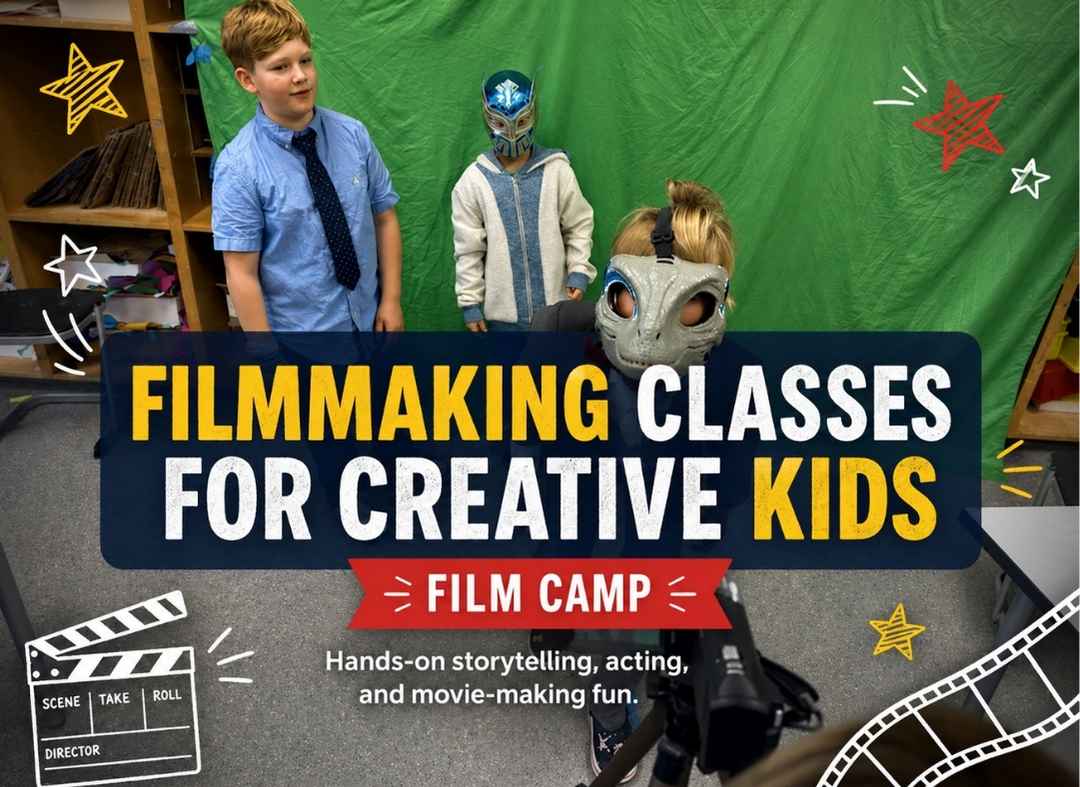
Discover why filmmaking classes help creative kids build confidence, teamwork, and storytelling skills through hands-on movie projects at Film Camp Los Angeles, where beginners learn by creating real short films.
Read >.jpg)
Weekend film classes in Los Angeles teach kids ages 8 to 14 filmmaking every Sunday in Glendale. Compare real costs, curriculum, safety, and what to ask before enrolling your child.
Read >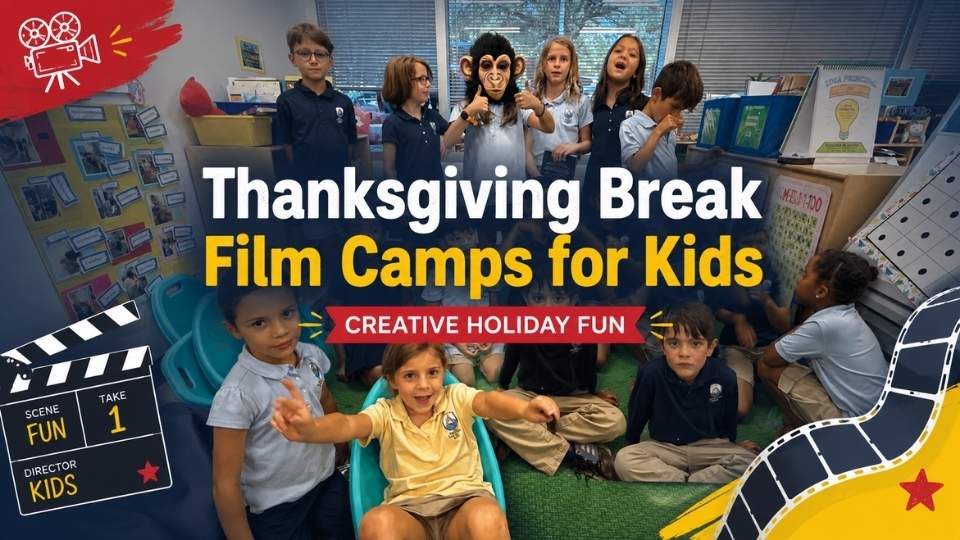
Thanksgiving break film camps fill the three school-free days in Austin, Los Angeles, and San Francisco. Kids ages 7 to 14 write, shoot, edit, and premiere their own short film.
Read >.jpg)
Discover how kids ages 7–14 learn screenwriting, acting, directing, camera work, editing, teamwork, and confidence at Los Angeles Film Camp in Glendale while creating and premiering their own short film.
Read >.png)