2026 summer camp trends are changing fast. Learn about rising costs, specialty camps, AI programs, SEL learning, and how Film Camp in Austin helps kids create real films and confidence-building skills.
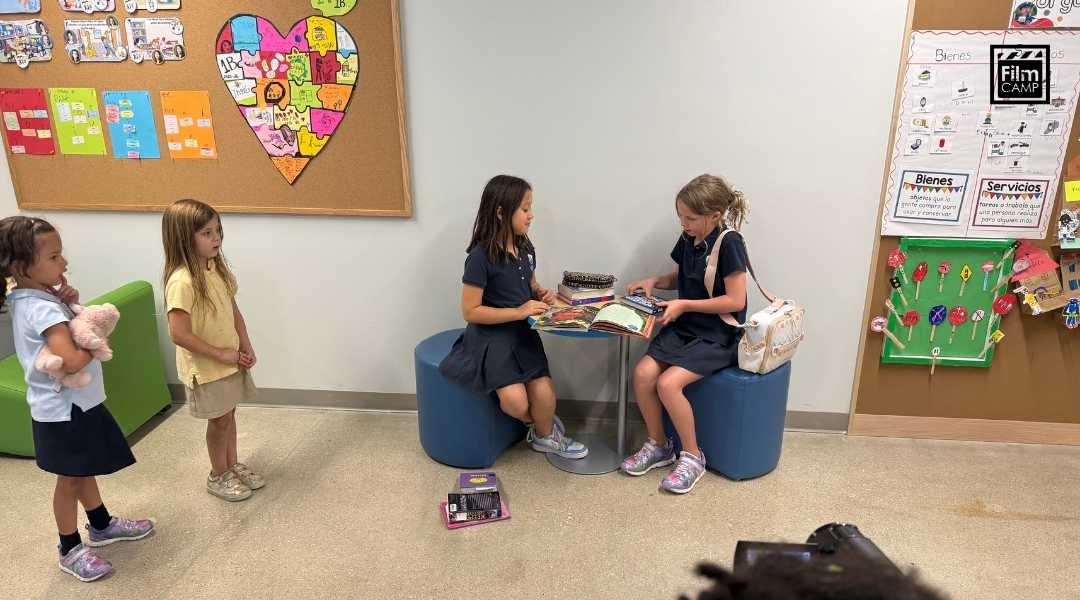
You drop your kid off at one of those summer camp programs. They come back sunburned, sticky, and grinning. But did they actually learn anything?
Or was it all just s'mores and cabin pranks? Parents ask this every single year. And honestly? It's a fair question.
This post breaks down the truth. We'll look at what kids really pick up at a kids summer camp. The hidden stuff. The fun stuff. The skills that stick.
By the end, you'll know if summer camps are educational, plain fun, or somehow both. Spoiler: it's complicated.
Every spring, the same thing happens. Parents start hunting for a summer camp for kids. Brochures pile up. Websites blur together.
Some promise STEM summer camps with robots and code. Others push sports summer camps with daily drills. Then there's film summer camps, drama summer camps, music summer camps, and arts summer camps.
So what do you pick? And more importantly, will your kid actually grow from it?
Here's the thing. Most parents grew up doing childhood summer camp themselves. They remember the campfire stories. The summer camp memories. Friendships that lasted years.
But our kids live different lives now. School is harder. Screens eat up the day. Time feels short. So a summer camp experience needs to deliver more than fun.
Parents want both. They want education. They want growth. They want their kid to come home happy too. Not impossible. Just rare.
That's where this whole debate kicks off. Are summer camps educational? Or is it all just summer fun activities dressed up as learning?
Let's dig in.
When folks say "educational summer camps," they don't mean a classroom with bunk beds. Not really.
Camp learning isn't like school learning. It's messier. Looser. Way more fun. But that doesn't mean it's not real.
Think about it this way. School teaches kids facts. Camp teaches them how to use those facts. Big difference.
At a typical summer camp day, kids do real things. They build stuff. They cook. They argue. They fix problems. They mess up and try again.
This is called experiential learning. Some folks call it hands on learning. Others call it project based learning or learning by doing.
Whatever the name, it works. Studies on summer camps show kids retain skills longer when they learn this way. The American Camp Association has years of research backing it.
A summer camp curriculum looks different than a school one. There's no test at the end. No grades. Just feedback from real life.
Did your raft float? Did your short film make people laugh? Did the team finish the obstacle course? Those are your grades.
That's what we mean by educational. Real world skills. Tested in real time. With other kids cheering you on.
The summer camp learning vs school learning debate isn't really a debate. They're two halves of the same coin.
Here's a wild thing about summer camps. Most of the learning is invisible.
Your kid won't say "I worked on my soft skills development today." But they did. They learned to share. To wait. To ask. To listen.
These are the soft skills companies pay top dollar for later. Teamwork skills. Problem solving skills. Critical thinking skills. Communication skills.
A camp counselor doesn't lecture about teamwork. They just put eight kids in a canoe and hand out one paddle. The lessons follow.
What kid hasn't learned more from a tipped-over canoe than a textbook?
Public speaking sneaks in too. Camp talent shows. Cabin meetings. Pitching ideas. Suddenly your shy kid is leading a chant by week two.
Then there's emotional growth. Kids miss home. They feel proud. They get jealous. They make up. All without a parent fixing it.
This is emotional intelligence in action. Some camps call it social emotional learning, or SEL camps for short. The fancy name doesn't matter. The skills do.
Building confidence in kids takes time. You can't fake it. Kids self esteem grows when they handle stuff themselves. Camp gives them dozens of small wins.
That's the secret sauce of summer camp child development. Tiny daily wins, stacked up, that turn into self confidence kids actually feel.
These summer camp learning outcomes show up at home too. Better mornings. Cleaner rooms. More patience with siblings. Real summer camp benefits for kids.
School is structured. Camp is loose. That's where the magic lives.
In school, kids sit in rows. They raise hands. They follow rules made by adults. It works for some things. Not all.
Camp throws kids into groups. New cabin. New cabinmates. New friends. Brand new social rules to figure out fast.
This is gold for summer camp social skills. Kids learn to read rooms. To make peace. To stand up for themselves. To laugh stuff off.
You don't get this from Zoom or screens. You get it from sticky tables and shared bunks. From dirty hands and shared snacks.
Summer camp friendships hit different. They often last decades. Why? Because kids meet without the school baggage. No clique pressure. No old labels.
Just shared mosquito bites and inside jokes.
That's also why summer camps for tweens and teen summer camps matter so much. Tweens and teens are figuring out who they are. A new place lets them try new versions of themselves.
A quiet kid at school becomes the loudest kid at the campfire. The "weird" kid finds his tribe. The "popular" kid finally learns to listen.
Plus, camp friendships span miles. Kids meet others from different states, schools, lives. The world gets bigger fast.
This is why why summer camp is good for kids isn't a hard sell. It just works.
Let's get specific. Take a film summer camp like Film Camp in Austin, Texas.
You'd think a movie making summer camp is all pretend. Fake guns. Fake blood. Fake drama.
Wrong. Filmmaking for kids is one of the deepest learning experiences out there. No joke.
A kid at a video production summer camp learns ten things at once. They write. They direct. They light scenes. They edit footage. They problem solve under pressure.
Acting summer camps build empathy. You can't play a character without understanding feelings.
Screenwriting camps build structure thinking. Stories need beginnings, middles, and ends. So do science papers. So does code.
Directing summer camps build summer camp leadership. A 13 year old runs a five-person crew. They manage time. They make calls. They explain their vision.
Animation camps teach math without anyone noticing. Frame rates, timing, geometry. It's STEM in disguise.
This is why creative summer camps work so well. Kids think they're playing. Their brains know better.
Story telling camps and youth storytelling camps go even deeper. Kids learn how stories shape feelings. How point of view changes meaning.
A creative writing camp pulls similar muscles. Plot. Pacing. Character. The same skills used by every great novelist and screenwriter alive.
A movie camp for kids feels like play. But it builds real summer camp skills.
At Film Camp in Austin TX, kids walk out with finished work. A real short film. A camp final project they're proud of. A camp portfolio that proves the time wasn't wasted.
That's a summer camp showcase moment that beats any test score.
Don't take our word for it. The research is solid.
Studies show kids who attend camp build resilience faster. Grit in kids gets a boost. Growth mindset takes root. Kids stop fearing failure.
The summer camp benefits research from groups like the American Camp Association is clear. Most kids leave camp more independent, more curious, and more confident.
Then there's the summer slide problem. You know it. Kids forget school stuff over summer break. It's called summer learning loss.
Summer enrichment programs and academic summer camps fight this. So do summer learning programs at the local level. Even fun camps like film and arts work for preventing summer slide.
Why? Because the brain stays active. It practices reading, writing, math, and creative thinking. Just dressed up as fun.
Some parents worry about screen free summer time. Camp solves that too. Most overnight summer camps and unplugged summer camps ban phones. Suddenly kids see each other for real again.
It's the best screen time alternatives we've found. Beats any app block.
Then there's nature based learning. Outdoor education. Outdoor camps and wilderness camps put kids in real environments. They notice trees. Animals. Weather. Stars.
Adventure camps add risk. Healthy risk. Climbing. Rafting. Hiking. Kids learn to read situations. To trust their bodies. To pick their footing.
Summer camp outdoors is a classroom you can't replicate inside.
Enrichment camps mix it all. STEM, arts, sports, nature. Kids leave with broader summer camp life skills than any single class teaches.
Let's settle a debate. Day summer camps versus overnight summer camps. Which one teaches more?
Honest answer? Both. They teach different stuff.
Day camp benefits include comfort and consistency. Kids go home each night. They sleep in their own bed. They keep their routines.
Day camp works great for younger kids. Summer camps age 8 or summer camps age 10 often start with day programs. Less stress. Easier transition.
The benefits of overnight camp run deeper, though. Sleepaway camps push kids to handle stuff alone.
Bedtime without mom. Showers without help. Bad days without an easy escape. That's where summer camp independence builds fast.
Residential summer camps work well for tweens and teens. Summer camps age 12, summer camps age 14, and up. They're ready for the leap. Many summer camp for teens programs run two weeks or more.
Both formats build summer camp confidence. Both build real summer camp development. Both leave kids changed.
The question isn't which is better. The question is which fits your kid right now.
A shy first time summer camp kid? Maybe try day camp first. A bored teen who needs a kick? Sleepaway might be the unlock.
Trust your gut. Then check the camp.
There's something about classic summer camp that hits different. The traditions. The chants. The cabin life.
Old American summer camps figured this out a hundred years ago. Build a tradition. Stick to it. Let kids fall in love with it.
That's why nostalgic summer camp vibes still work today. Wood signs on cabins. Color war shirts. End-of-week awards. Kids remember it for life.
Summer camp tradition isn't fluff. It builds belonging. It makes kids feel like they're part of something bigger than one summer.
It also builds character. Summer camp character building happens at flag raisings. At cabin meetings. At the campfire. Building character at camp means showing up, being kind, doing chores, owning mistakes.
Summer camp values get passed down counselor to camper. Kindness. Effort. Honesty. Curiosity. The good stuff.
Then there's the cabin itself. Summer camp cabin life is a whole world. Tight bunks. Late-night talks. Inside jokes. The kid who snores. The kid who wakes up first.
Summer camp counselors live in those cabins too. They're part role model, part big brother, part referee. The best ones change kids' lives.
Summer camp meals are part of it. Long tables. Loud rooms. Bug juice. Mystery casserole. Kids learn to eat what's served. To pass the salt. To clean their spot.
Summer camp food memories last forever. Even the bad ones.
End-of-session traditions matter most. The camp graduation. The camp award ceremony. The big hug from a counselor before the bus leaves.
Camp ages don't matter for these moments. Six year olds and sixteen year olds cry the same tears.
How do you know your kid learned something at camp? Spoiler: they probably won't tell you.
Look for these signs instead.
They use new words. Kids pick up vocabulary at camp like sponges. Lighting terms. Acting terms. Cooking words. Whatever the camp focus is.
They try new stuff at home. A music summer camp kid might pick up the guitar. A film camp kid might shoot iPhone videos. That's the spark of summer camp creativity.
They handle problems differently. Watch how they react when something breaks. Camp kids fix stuff. Or ask for help calmly. Or shrug and try again.
They make a new friend. Camp friendships often turn into pen pal style texts. New names appear in their phone. That's social growth at work.
They tell stories. Long, rambling, often pointless stories. About the canoe trip. The talent show. The kid in cabin five. This is digital storytelling in spoken form.
Don't dismiss the stories. They're how kids process growth.
They want to go back. This one's huge. If your kid begs to return next year, the camp did its job.
Now the practical part. Choosing the right summer camp matters more than picking the "best" one.
How to pick a summer camp can feel like buying a car blindfolded. Brochures lie. Websites overpromise. Reviews can be fake.
Here's how to cut through the noise.
Look for accreditation. ACA accredited camps meet strict safety and quality standards. Accredited summer camps and licensed summer camps follow rules around staff training, ratios, and emergency plans.
This is non-negotiable. Safe summer camps put summer camp safety first. No exceptions.
Check the staff to camper ratio. Summer camp ratio matters. Smaller groups mean more attention. More learning. Better summer camp supervision.
Read what current parents say. Skip the testimonials on the website. Find Facebook groups. Ask local parents. Read raw summer camp reviews and summer camp parents review threads.
Tour if you can. Walk the grounds. Meet a camp counselor. Watch the energy. You'll feel it.
Ask about the daily schedule. A clear summer camp daily schedule and summer camp routines mean the staff have planned. A vague answer means chaos.
Ask the right questions. Here are some summer camp questions to ask:
Watch for summer camp red flags. Vague answers. High counselor turnover. Pushy sales talk. No safety plan.
Look for summer camp green flags too. Detailed answers. Long-tenured staff. Real photos of camp life. Strong summer camp values.
Quality summer camps and premium summer camps welcome questions. They want you to ask.
Let's talk money. Summer camp tuition ranges wildly. Summer camp cost depends on the camp type.
Day camps run cheaper. Specialty summer camps and niche summer camps cost more. Sleepaway camps land somewhere in the middle to high range.
Summer camp pricing also depends on length. One week summer camps are shorter and cheaper. Two week summer camps cost more but pack more in.
If cost is tight, look into summer camp scholarships. Many camps offer them. Summer camp financial aid is more common than parents think.
Just ask. The worst they say is no.
For summer camp 2026 dates, check early. Summer camp registration and summer camp enrollment fill up fast. Most camps open in winter for summer.
Summer camp dates and summer camp sessions often run from June to August. Summer camp schedule details live on each camp's website.
At our Film Camp in Austin, sessions stack throughout the summer. Kids can do one week or string several together. Summer camps Texas Hill Country in summer is something else.
We're at 5900 Balcones Drive, Suite 100, Austin, TX 78731. Call (323) 471-5941. Email hello@film.camp. We'll walk you through it.
Sending your kid off the first time is rough. We get it. Here are summer camp tips for parents that actually help.
Talk early. Don't drop "you're going to camp" on them last minute. Build excitement weeks ahead.
Pack together. Make the summer camp packing list a team activity. Let them pick stuff. Pack a comfort item.
Don't oversell. Saying "you'll love it!" sets up pressure. Just say "we'll see how it goes."
Plan for homesickness at camp. Send a letter on day one. Most camps deliver mail. A short note works better than a long one.
Trust the camp counselors. They've seen everything. Quiet kids. Loud kids. Crying kids. Bored kids. Let them do their job.
Don't promise pickup. Avoid the "if you're miserable, I'll come get you" line. It plants doubt.
Ask the right things on pickup day. Skip "did you have fun?" Try "what was the hardest thing?" or "who made you laugh?"
Don't compare camps. Every kid's summer camp experience is different. Even at the same place.
Celebrate the small stuff. Did they wash their own clothes? Talk to a stranger? Try a new food? Big wins.
Plan for the comedown. Kids often crash after camp. Sad. Tired. Quiet. Give them a few days. They're processing.
That's how to survive the first round. After that, you'll be a pro.
Quick word about us. Film Camp Austin focuses on one thing. Filmmaking. Top to bottom.
We don't do everything. We do youth filmmaking and teen filmmaking really well. That's it.
Our youth film program and teen film camp are built for kids who want to make stuff. Not just watch stuff.
Kids leave with a finished short film. A real reel. A real skill. Real friends.
Our summer camp learning environment is built for makers. Cameras. Lights. Edit bays. Sound gear. The works.
Summer camp instructors are working filmmakers. Not summer staff. Not bored interns. They live this stuff year round.
Summer camp teachers at Film Camp also know how kids learn. They mix lecture with action. Practice with play.
Summer camps Austin Texas kids get the Texas Hill Country bonus too. Beautiful weather. Big skies. Long days.
We're easy to find too. Summer camps Austin parents drive in from across the metro. Summer camps Texas families come from Houston, Dallas, San Antonio. Some fly in.
We mix summer camp fun activities with real summer camp learning activities. Cabin life and crew calls. Summer camp games and storyboards. Summer camp swimming and scene work. Summer camp hiking and shot lists. Summer camp crafts and props.
It's not classroom learning. It's not just play. It's what we'd call playful work.
Video editing for kids. Media literacy for kids. Public speaking. Story building. All in one place.
Our summer camp showcase at the end of every session is the best part. Parents come. Kids screen their films. Tears happen. Pride happens.
That's a camp graduation worth showing up for.
Are summer camps educational or just fun?
Yes.
Both. Always. The two aren't opposites. They're co-stars. Like a movie needs a great script and a great director, kids need fun and learning together.
As we say down here in Texas, don't judge a steer by its horns. The flashy name on the brochure doesn't mean it's a great camp. The kid coming home with new skills and a smile? That's the proof.
Summer camp learning sneaks up on kids. They have fun. They make friends. They build stuff. They figure things out. They grow.
The classroom version of education is one tool. Camp education is another. Both belong in the toolbox.
Whether it's a STEM summer camp, sports summer camp, drama summer camp, or our own film summer camp, the right program changes kids.
Why send kids to camp? Because nothing else does this exact job. Not summer school. Not tutoring. Not vacation.
The summer camp vs school question is a false one. The summer camp vs tutoring question too. Camp is its own thing.
So is summer camp worth it? For most kids, absolutely yes. The summer camp ROI shows up in places no spreadsheet tracks. The summer camp value lives in the long game.
Better grades, sometimes. New hobbies, often. Stronger friendships, almost always. A spark. A push. A direction.
Want to see if Film Camp fits your kid? We'd love to chat. Reach out anytime. Alternatives to summer school don't get better than this.
Are summer camps actually educational?
Yes. They teach real life skills, social skills, soft skills, and often hard skills like coding, filmmaking, or sports. The educational benefits of summer camp run deeper than people think.
What age is best for summer camp?
Most camps start at age 6 or 7. Summer camp ages 8 to 10 are sweet spots for day programs. Ages 12 to 14 work well for sleepaway. Each kid is different.
Is summer camp better than summer school?
For most kids, yes. Summer school targets academic gaps. Summer camp builds full-person growth. Both have their place.
How long should a camp session be?
Two weeks is the sweet spot for most kids. One week is great for first timers. Some kids do four to six weeks. Depends on age and comfort.
Will my kid get bored?
Almost never. Good camps stack activities tight. There's always something next.
Can introverted kids enjoy camp?
Yes. Camp gives quiet kids space to find their voice. Many introverts love camp once they settle in.
Should I pick coed or single-gender camp?
Coed summer camps work for most kids. Some prefer summer camp for boys or summer camp for girls for various reasons. Both can be great.
How do I prepare my kid for first camp?
Talk about it early. Pack together. Share your own camp memories. Trust the camp staff. Don't oversell or undersell.
What if my kid hates it?
Most don't. But if they do, it's not a failure. Different camps fit different kids. Try another one next year.
Why send kids to camp at all?
Because nothing else gives them this kind of growth. School grows their head. A school grows their soul. Camp does both.
Discover why filmmaking classes help creative kids build confidence, teamwork, and storytelling skills through hands-on movie projects at Film Camp Los Angeles, where beginners learn by creating real short films.
Read >.jpg)
Weekend film classes in Los Angeles teach kids ages 8 to 14 filmmaking every Sunday in Glendale. Compare real costs, curriculum, safety, and what to ask before enrolling your child.
Read >
Thanksgiving break film camps fill the three school-free days in Austin, Los Angeles, and San Francisco. Kids ages 7 to 14 write, shoot, edit, and premiere their own short film.
Read >.jpg)
Discover how kids ages 7–14 learn screenwriting, acting, directing, camera work, editing, teamwork, and confidence at Los Angeles Film Camp in Glendale while creating and premiering their own short film.
Read >.png)