A clear, parent-focused guide to Los Angeles summer camps. Compare camp types, age groups, costs, neighborhoods, and creative options like filmmaking camps to find the right fit for your child.

Some kids want sports. Some want science. Some just need a confidence boost after a long school year. So how do parents pick the right Los Angeles summer camp without feeling lost in a sea of brochures and Instagram ads?
Here's the thing about LA. The camp options aren't just plentiful. They're wildly different. One block has a surf camp. The next has a robotics lab. Down the street, kids are filming short movies with real cameras and editing them by Friday. That's a gift. It's also why so many parents freeze.
This guide cuts through the noise. We'll walk through camp types, age fits, neighborhood picks, real cost ranges, and the questions that actually matter before you click "enroll." No fluff. No hype. Just a clear roadmap built for parents who want their kid's summer to feel meaningful, not just scheduled.
By the end, you'll know exactly what to look for. And maybe more importantly, what to skip.
Honestly? There isn't one. The best camp is the one that fits your child. A loud sports camp might thrill one kid and exhaust another. A quiet art studio might unlock a shy kid who's been waiting to be heard.
Choosing a summer camp is a bit like buying shoes for a growing kid. The most expensive pair isn't always the best fit.
Need a fast answer? Start by matching your child's personality before comparing camp prices.
Popular camps fill fast. If a program looks right, register early.
In Los Angeles, summer camps feel less like childcare and more like mini career adventures. Kids can spend Monday at a beach, Tuesday on a soundstage, and Wednesday building a robot. That's not an exaggeration. That's a regular week here.
LA's mix of weather, beaches, entertainment industry, and cultural diversity creates a camp landscape most cities can't touch. You'll find surf camps in Santa Monica, filmmaking camps near Hollywood, STEM camps in Pasadena, and theater intensives in Culver City. The variety matters because kids have wildly different ways of coming alive.
Some kids run toward soccer fields. Others run toward cameras and scripts. Camp works best when kids move toward what excites them naturally.
Here's a breakdown of the main camp categories LA parents will run into.
These run during normal work hours and kids come home each night. Great for younger kids and families who want flexibility. Best for ages 4-12.
Kids stay onsite for a week or more. Ideal for independent kids ready to stretch their wings. Often based outside the city in nearby mountain or coastal areas.
These focus on one passion area. Think film, coding, theater, music, robotics, or specific sports. Specialty camps usually have smaller groups and deeper instruction. Best for kids who already know what excites them.
Soccer, basketball, swim, tennis, martial arts, surf. LA's weather makes outdoor camps a strong fit nearly all summer long.
Robotics, coding, engineering, game design. The next great inventor might be building robots at summer camp right now.
Acting, dance, music, painting, sculpture. These camps help kids who think in stories, sounds, and images.
Kids write, shoot, direct, and edit real short films. They leave with a finished project. Film camps in LA are especially popular because the city itself is a creative classroom.
Hiking, surfing, beach exploration, nature programs. Best for kids who feel happiest moving.
Reading, math, writing, college prep. Useful for kids who want a gentle academic boost without the pressure of school.
Sometimes kids come home from camp taller somehow. Not physically. Just more sure of themselves.
The right camp does more than fill the calendar. It builds something inside a kid that lasts well past August.
Confidence. Kids try new things in a low-pressure setting and surprise themselves.
Friendships. Camp friendships form fast. Shared experiences do that.
Independence. Packing a bag, managing a schedule, solving small problems alone. These tiny wins add up.
Communication skills. Group projects and team activities pull kids out of their shells.
Less screen time. A full camp day means hours away from tablets and phones, replaced with real-world play.
New interests. A kid who arrives unsure about acting might leave hooked on storytelling. That's how passions start.
Real projects. Finished films, art pieces, science experiments, performances. Kids leave with proof they made something.
A preschooler just wants fun and safety. A teenager wants independence, identity, and creative ownership. The camp that felt magical at age seven may feel too small by age thirteen.
Here's how camp needs shift by age.
For young kids, camp is less about schedules and more about feeling safe enough to explore. Look for short days, small groups, trained staff, and gentle pacing.
Best for: First-time campers, kids building social comfort, families easing into structured summer activities.
Look for camps with sensory-friendly spaces, low staff ratios, and predictable routines. Half-day options often work best at this age.
At this age, camp should feel a little messy, a little exciting, and full of discovery. Kids this age respond best to variety, movement, and creativity rather than deep specialization.
Best for: Curious explorers, kids making first real friendships, beginners trying new activities.
Think general day camps with mixed activities. Crafts in the morning, swim after lunch, group games before pickup. The variety keeps them engaged.
This is often when hobbies start turning into real passions. Kids this age can handle specialty camps and start showing real interest in skill-building.
Best for: Kids ready to focus, beginner filmmakers, young coders, athletes-in-training.
Filmmaking, STEM, sports leagues, and theater intensives all work well here. Kids gain real skills and the confidence that comes with seeing themselves improve.
Tweens want independence while secretly still needing structure and reassurance. They don't want anything that feels "babyish," but they still benefit from clear guidance.
Best for: Kids exploring identity, tweens building social confidence, future creatives.
Look for camps with ownership built in. Tweens thrive when they get to make real decisions, lead small teams, or contribute to a finished project.
For many teens, the right summer camp feels less like school and more like discovering who they want to become. Teens want camps that respect their maturity and offer real outcomes.
Best for: Future filmmakers, young leaders, portfolio builders, college-prep kids.
Filmmaking camps, leadership programs, media production workshops, and pre-college academic camps all hit well at this age. Teens want to make something real.
Younger kids usually seek comfort and fun. Older kids often seek identity, challenge, and independence. The same kid will need different camps in different summers. That's not a problem. That's growth.
Some kids come alive on stage. Others light up behind a camera or coding screen. Camp works best when kids stop feeling pushed and start feeling pulled by curiosity.
Creative camps give kids a place where ideas matter more than grades. Look for arts camps, theater workshops, writing programs, and filmmaking camps.
Best for: Imaginative kids, storytellers, kids who love drawing and dreaming up worlds.
For some kids, the stage becomes the first place they truly feel heard. Acting camps build communication skills, public speaking, and social confidence.
Best for: Expressive kids, future performers, kids who light up around people.
Sometimes the shy kid behind the camera becomes the loudest storyteller in the room. Filmmaking camps blend creativity, leadership, storytelling, and teamwork into one shared project.
Kids learn writing, directing, acting, camera work, and editing. They leave with a real short film. That's not a small thing. That's portfolio material.
Best for: Storytellers, creative leaders, kids who love both art and tech.
Programs like Film.Camp's Los Angeles filmmaking camps are built around this exact model. Kids rotate through real roles and finish the week with a screening.
Some kids don't need another classroom. They need space to run, compete, and move. Sports camps build teamwork, healthy routines, and confidence through physical mastery.
Best for: High-energy kids, team players, athletes-in-training.
The next great inventor might currently be building robots at summer camp. STEM camps frame learning as creative problem-solving rather than dry instruction.
Best for: Curious kids, builders, kids who ask "why" and "how" constantly.
Not every child walks into camp ready to lead the group. Some just need the right environment to slowly open up. Look for small groups, supportive staff, and project-based learning.
Best for: Quiet kids, thoughtful kids, slow-to-warm-up campers.
Smaller filmmaking camps, art studios, and writing workshops often work beautifully here. Shared creative work gives shy kids a reason to connect without forcing it.
For highly social kids, camp becomes part adventure, part friendship factory. Filmmaking, theater, group sports, and STEM competitions all work well.
Best for: Outgoing kids, future leaders, kids who light up in groups.
In Los Angeles, creativity isn't a side hobby. It feels woven into everyday life. Kids grow up surrounded by storytelling, cameras, music, and creative energy. That changes what's possible inside a summer camp.
Hollywood isn't just a neighborhood. It's an ecosystem. Real filmmakers, animators, writers, and editors live and work here. Many teach. Many run camps. Kids in LA can learn filmmaking from people who actually make films for a living. That's rare.
Sometimes kids who barely speak in class become surprisingly expressive once they start creating something they care about. Creative camps reframe communication as part of the process. You can't make a short film without talking to your team. You can't direct without giving notes.
Team projects teach kids something lectures rarely can. How to listen. How to adapt. How to create with other people. Creative camps build these muscles naturally because finishing a project requires it.
Filmmaking naturally combines creativity, leadership, storytelling, and teamwork in one shared project. It's one of the rare activities where a single kid can try writing, acting, directing, and editing in the same week. That's why film camps tend to stick with kids long after summer ends.
One child may discover a love for acting. Another may realize they enjoy directing the entire project from behind the camera. A third might fall in love with editing in the back room. Film camp gives kids a chance to test all of it.
A typical week might include:
That's a lot of growth in five days.
Film camp often feels like a tiny movie studio where every kid gets a chance to create something real. Here's what's actually happening behind the scenes.
Every great film starts with one simple question: what happens next? Kids learn how to build characters, structure scenes, and write dialogue that sounds like real people. This skill carries into school essays, presentations, and even everyday conversations.
Kids who feel nervous speaking in groups often surprise themselves once the camera starts rolling. On-camera acting teaches presence, voice control, and emotional honesty. It also quietly builds public speaking skills.
Directing teaches kids how to guide a team without controlling every moment. They learn how to give clear instructions, listen to ideas, and make decisions under pressure. These are real leadership skills.
Learning camera angles is a little like learning how to guide the audience's eyes through a story. Kids pick up basic cinematography without it feeling technical. They start noticing how movies are made everywhere they look.
One afternoon, kids may film scenes on a spaceship. The next day, they might create a jungle adventure. Green screen work makes storytelling feel limitless and exciting.
Editing is often where scattered scenes finally become a real story. Kids learn how pacing, music, and sound design completely change how a scene feels. Many discover this is their favorite part.
There's something powerful about watching kids proudly present work they created together from scratch. The Friday showcase isn't just a parent event. It's the emotional payoff that makes the whole week click.
The best summer camp isn't always the flashiest one. Often, it's the one where your child feels comfortable enough to participate fully. Here's how to evaluate options without getting overwhelmed.
A camp built for ages 7-9 will feel very different from one built for ages 12-15. Check that your child fits the middle of the age range, not the edge. A child who feels comfortable socially is far more likely to enjoy camp and participate fully.
Younger kids often benefit from shorter camp days early in summer. Some kids leave half-day camp energized. Others are happiest spending the entire day immersed in activities. Trust what you know about your kid's energy.
The most popular Los Angeles camps often fill long before summer officially begins. Check session dates early and have a backup option in mind.
Parents relax faster when they know trained adults are guiding every part of the experience. Ask about background checks, CPR certification, and youth instruction experience.
Some children participate more once they stop feeling lost inside large groups. Small group ratios usually mean better attention, more participation, and more emotional safety. Especially important for shy or first-time campers.
Good safety policies rarely feel dramatic. They simply help parents feel informed and prepared. Ask about allergy protocols, emergency contacts, communication systems, and pickup security.
A smooth pickup routine can make camp days easier for both parents and kids. If you work full-time, ask about extended care options before and after camp hours.
The cheapest camp is not always the best value. Strong supervision and meaningful activities matter too. Ask about sibling discounts, early-bird pricing, and refund policies before paying.
One glowing review can help. Consistent patterns across many parents matter more. Look for repeated mentions of staff kindness, communication quality, organization, and child engagement.
The most useful camp questions are usually not about trophies or awards. They're about how kids are treated day to day.
Kids usually participate more when adults can actually notice and support them individually. Smaller ratios mean better supervision and more personalized attention.
A skilled instructor teaches more than activities. They help kids feel comfortable trying something new. Ask about teaching backgrounds, industry expertise, and how long instructors have worked with kids.
Many kids arrive nervous on day one and leave wondering why they felt worried in the first place. If your child is new to the activity, make sure the camp welcomes beginners openly.
A simple, organized morning often helps kids start camp feeling more relaxed and confident. Ask for a packing list early so you're not scrambling Sunday night.
Hungry kids rarely have great camp days. Good programs plan meals and snack breaks carefully. Ask about allergy procedures and hydration reminders too.
Even excited kids sometimes miss home during new experiences. Supportive camps expect that and handle it gently. Ask how staff respond to emotional moments.
There's something unforgettable about watching kids proudly share work they once felt nervous to even attempt. Final showcases dramatically increase the value of the camp experience. Film.Camp's Friday screenings are a great example.
A great camp two hours away in traffic may not feel great by week three. What looks manageable on a map can feel very different during LA rush hour. Here's a neighborhood breakdown.
Westside camps often combine outdoor energy, creative programs, and coastal lifestyle convenience. Think Santa Monica, Brentwood, and Venice. Great for families who want active, beach-adjacent options.
For creative kids, Hollywood-area camps can feel close to the heart of storytelling culture. Many filmmaking and acting camps cluster here because of the industry access.
For many Valley families, shorter commutes can make summer schedules feel far less stressful. The Valley has tons of day camps, sports programs, and specialty options without the traffic of going over the hill.
Pasadena-area camps often balance creativity, academics, and community-focused learning. Strong options for museum-based programs, STEM, and arts education.
For some kids, the ocean becomes the best classroom of the entire summer. Surf camps, marine biology programs, and beach adventure camps thrive here.
These areas attract camps focused on creativity, media, leadership, and specialized learning. Often smaller, premium programs with hands-on instruction.
A camp that feels exciting on paper may become exhausting if the commute drains the entire family each morning. Do a trial drive at camp drop-off time before enrolling. What looks like a 20-minute drive on Google Maps might be 50 minutes in real traffic.
The most expensive camp is not automatically the best fit. Sometimes the strongest value comes from programs that match your child's interests and personality closely.
LA day camps generally run $300 to $800 per week depending on the program. General recreational camps land on the lower end. Specialty and small-group programs sit higher.
A filmmaking camp may cost more than a traditional day camp because students often use professional-style equipment and work in smaller creative teams. You're paying for instructor expertise, gear, smaller ratios, and a finished project.
A meaningful summer experience does not always require the highest price tag. Look into:
Many specialty camps quietly offer scholarships. Just ask.
Many popular camps reward organized families who register early before sessions fill up. Sibling discounts are common too. A quick email to the camp office can save real money.
Tuition usually covers instruction, materials, supervision, and basic activities. It often doesn't include lunch, transportation, extended care, or special trips. Always ask what's extra.
Choosing a summer camp is a little like choosing a school or coach. The right fit often matters more than the lowest number on the price sheet. Look at staff quality, group size, project outcomes, and parent reviews together.
Many kids spend hours watching content online. Film camp flips that experience and teaches them how to create something instead.
There's a major difference between watching videos all summer and learning how stories are actually created. Film camp turns screen time into creation time. Parents notice the shift fast.
One child may love acting. Another may realize they enjoy editing or directing even more. Good film camps rotate kids through different roles so they discover what excites them most.
Some kids speak up more once they stop feeling surrounded by huge groups. Small-group film camps make sure every kid contributes to the final project. No one disappears in the back.
Many campers arrive without any filmmaking experience at all. Curiosity matters far more than technical skill. The best beginner camps focus on teamwork, storytelling, and play before they touch technical complexity.
Kids often leave camp carrying more than a finished film. They leave with proof they can create something meaningful. Years later, they remember the showcase.
Film camp works because it blends creativity with collaboration. Kids create something together instead of consuming entertainment alone. That's a different kind of summer.
The first camp morning often feels bigger to parents than it does to kids. Here's how to make the transition smoother.
It helps kids when camp feels familiar before they even arrive. Talk about what they'll do, who they'll meet, and what to expect. Don't oversell it. Just normalize it.
Confidence often grows through tiny responsibilities repeated consistently. Have your child pack their own bag, organize their water bottle, and manage their lunch box in the days leading up.
Some kids join conversations quickly. Others quietly observe first and slowly become comfortable over time. Both are normal. Reassure your child that they don't have to make a best friend on day one.
A calmer morning often creates a calmer camp drop-off. Prep clothes, lunches, and backpacks the night before. Morning chaos sets the tone for the whole day.
Water bottles seem to disappear at camp with almost magical speed. Label everything. Pack sunscreen, a hat, snacks, and a refillable water bottle every single day.
Many kids settle into activities much faster once parents leave calmly and confidently. Keep goodbyes short and warm. Long emotional exits often make anxiety worse.
Sometimes the best camp experiences grow slowly over several days instead of instantly on day one. Give your kid a few days to adjust before asking how it's going.
Many camp problems begin long before the first camp day. They often begin when parents pick programs based on hype instead of fit.
A camp that works perfectly for one child may feel exhausting or overwhelming for another. Popularity doesn't equal fit. Always think about your specific kid.
A loud, highly competitive camp may energize one child and completely overwhelm another. Consider energy level, social comfort, and learning style before you book.
Some Los Angeles camps begin filling months before summer officially starts. Creative camps, small-group programs, and popular specialty camps go first.
The cheapest camp may save money upfront but create a less enjoyable experience overall. Look at what's included, not just what's charged.
Good camps usually answer safety questions clearly and confidently without sounding defensive. If a camp dodges supervision questions, that's a red flag.
An overscheduled summer can sometimes feel just as stressful as a busy school semester. Leave room for rest, play, and unstructured time.
Camp comfort usually grows gradually through routines, friendships, and repeated positive experiences. Day one isn't a referendum. Give it a few days.
Some kids feel ready for camp early. Others benefit from waiting another year. Both are completely normal. Readiness depends more on personality, independence, and emotional comfort than exact age. Most kids are ready for short day camps by ages 4 or 5.
Many popular Los Angeles camps begin filling long before the school year officially ends. Aim to register 2-4 months ahead for specialty camps. Creative and small-group camps fill earliest.
Quiet kids often connect deeply once they feel emotionally safe and included. Smaller-group camps work especially well for thoughtful, introverted, or slow-to-warm-up children. Look for project-based programs where conversation happens naturally through shared work.
Pack a labeled water bottle, sunscreen, a hat, comfortable closed-toe shoes, a refillable lunch container, and a small backpack. Label everything. Camp water bottles somehow develop legs and disappear fast.
A packed summer schedule sometimes leaves kids more exhausted than inspired. Most families benefit from mixing 2-4 weeks of camp with rest days, family time, and free play.
Curiosity usually matters far more than prior filmmaking experience. The best beginner film camps focus on teamwork, storytelling, and participation before technical instruction.
Shared activities often make conversations feel easier and more natural for kids. Camps with team projects, group challenges, or collaborative creative work tend to spark friendships fastest.
In Los Angeles, summer camps often blend creativity, outdoor adventure, storytelling, and cultural variety in ways many cities simply cannot. Kids can surf in the morning, code in the afternoon, and film a short movie on the weekend. That mix is hard to find anywhere else.
Summer moves fast. Childhood moves even faster. The right camp can turn a few weeks into memories kids carry for years.
The goal isn't to pick the fanciest program or the most popular name. It's to find the place where your child will feel comfortable enough to try, brave enough to participate, and proud enough to come home talking about what they made.
Kids may forget parts of the schedule. They rarely forget the summer where they felt included, confident, and excited to learn. Whether that summer involves cameras, soccer balls, paint, code, or all of the above, the right fit is the one that meets your child where they are.
If your child loves stories, cameras, acting, or imagining whole worlds, take a look at Film.Camp's Los Angeles summer camps. Small groups, real projects, and a Friday showcase where kids screen the films they made that week.
The right summer camp can become more than an activity. It can become the experience kids talk about long after summer ends.
Explore Los Angeles Summer Camps → | See Student Films → | Contact Us →
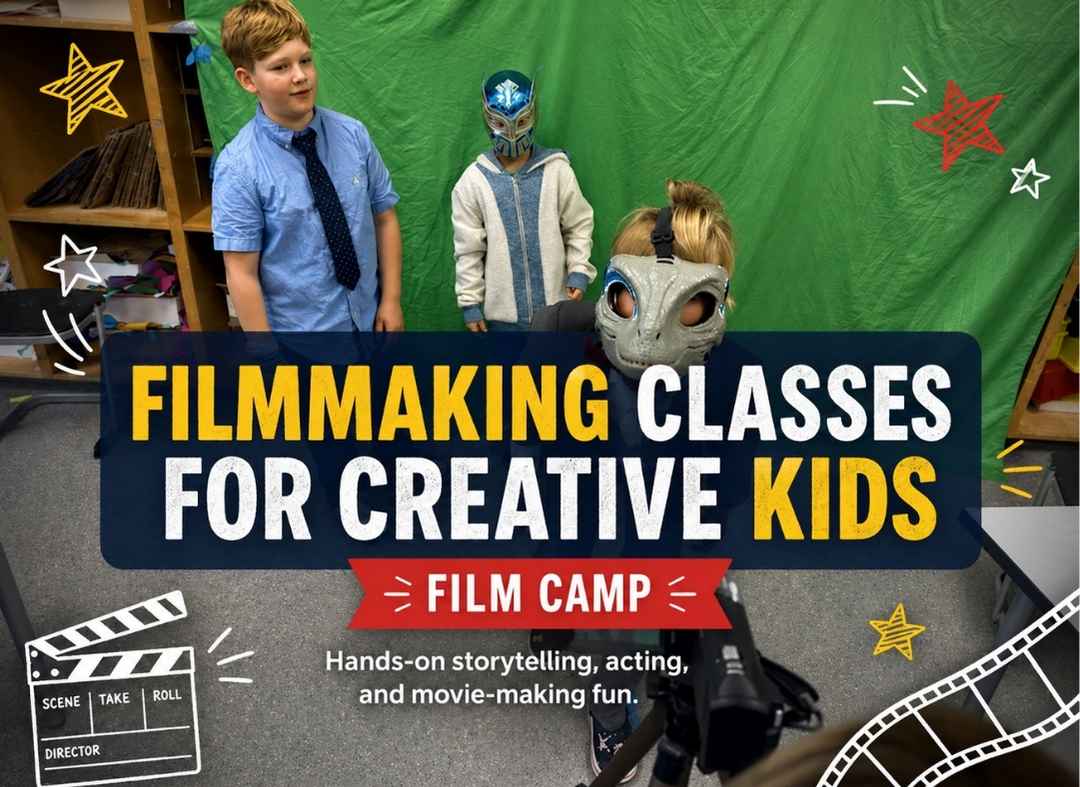
Discover why filmmaking classes help creative kids build confidence, teamwork, and storytelling skills through hands-on movie projects at Film Camp Los Angeles, where beginners learn by creating real short films.
Read >.jpg)
Weekend film classes in Los Angeles teach kids ages 8 to 14 filmmaking every Sunday in Glendale. Compare real costs, curriculum, safety, and what to ask before enrolling your child.
Read >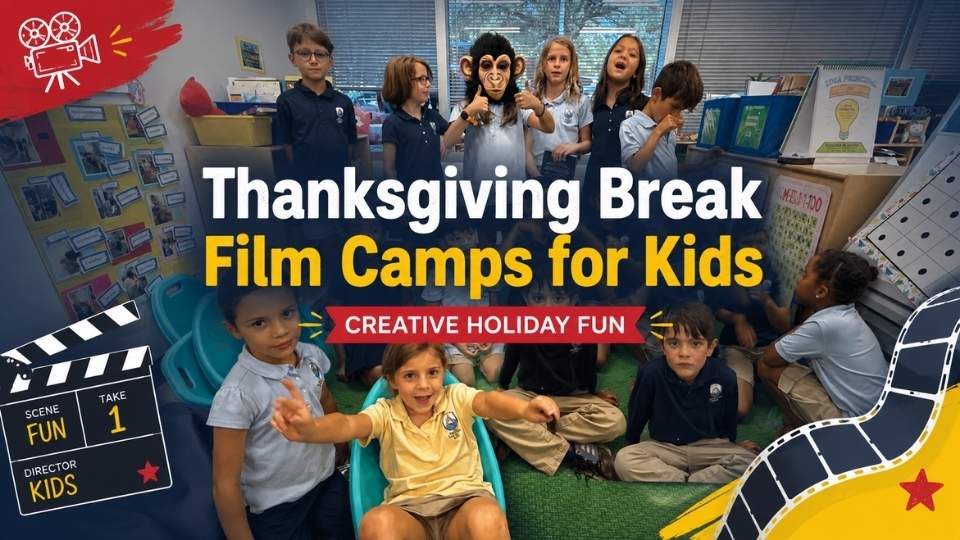
Thanksgiving break film camps fill the three school-free days in Austin, Los Angeles, and San Francisco. Kids ages 7 to 14 write, shoot, edit, and premiere their own short film.
Read >.jpg)
Discover how kids ages 7–14 learn screenwriting, acting, directing, camera work, editing, teamwork, and confidence at Los Angeles Film Camp in Glendale while creating and premiering their own short film.
Read >.png)