Summer camp builds confidence, creativity, and social skills; summer school closes academic gaps. The best choice depends on your child's specific needs this summer or combine both!
Picking between summer camp vs summer school programs feels like choosing between pizza and salad. Both fill you up. But only one makes your kid ask for seconds.
School's out. The calendar stares back at you. And suddenly every parent in the group chat has an opinion.
Here's the thing. There's no universal right answer. But there is a right answer for your kid.
Let's break it down like we're chatting over coffee. No fluff. No filler. Just real talk from folks who've been running creative summer programs for kids in Austin for years.
Okay, first things first. Let's get our terms straight.
Summer school is basically classroom learning extended into June, July, or August. Kids sit at desks. They follow a curriculum. They get graded. It's academics, but warmer outside.
Summer camp flips the script. Think hands-on projects, outdoor adventures, skill-building, and learning that doesn't feel like learning. Kids move, create, collaborate, and sometimes get messy.
The summer camp vs summer school debate isn't new. Parents have wrestled with it for decades. But the stakes feel higher now.
Why? Because summer slide is real. Kids can lose up to two months of learning over break. But burnout is also real. And nobody wants a kid who dreads September before July even ends.
Our grandmas used to say, "You can't grow a mango tree in a shoebox." Kids need room. Both types of summer learning programs offer room. Just different kinds.
Let's be fair. Summer school gets a bad rap. People hear "summer school" and picture punishment.
That's outdated thinking.
Today's summer academic programs are often voluntary. Enrichment-focused. Sometimes even fun. Here's when they're the right call:
Summer school remedial programs serve a real purpose. If your child failed a class, getting credit recovery done over break can keep them on track to graduate with peers.
Modern summer enrichment programs in school settings also include STEM labs, writing workshops, and language immersion. It's not all worksheets anymore.
But here's the flip side. Sitting in a classroom for eight weeks after sitting in a classroom for nine months? That's a lot of sitting.
Now let's talk camp. This is where things get exciting.
Summer day camps and overnight summer camps have evolved massively over the past decade. They're no longer just swimming and crafts. Today's specialty summer camps focus on everything from coding to filmmaking to marine biology.
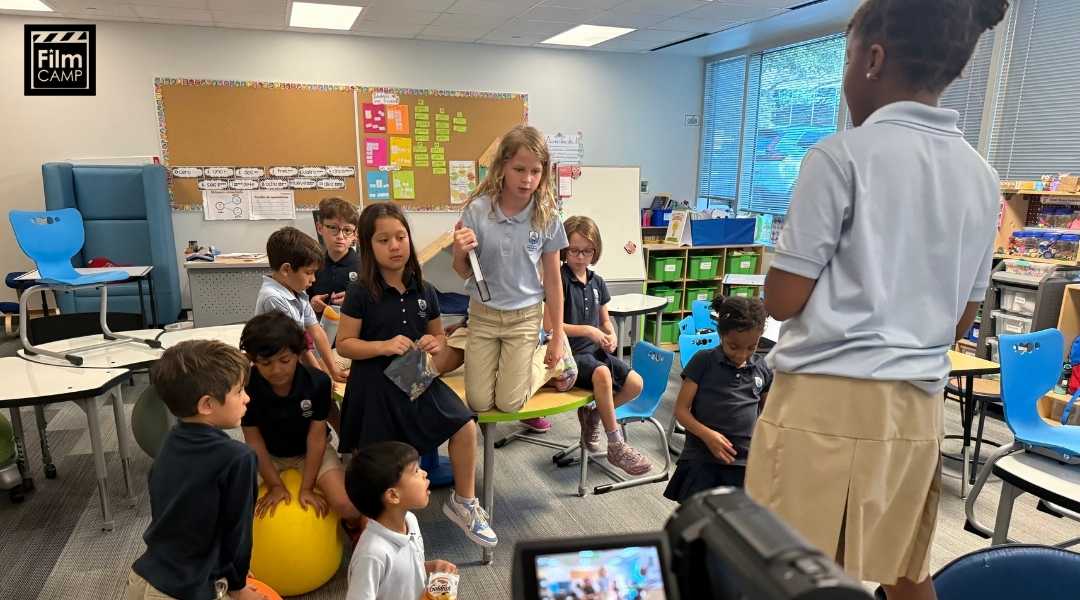
Here at Film Camp in Austin, we see it every summer. A kid walks in shy. By week two, they're directing a short film with three new friends. That's not academic growth. That's human growth.
Camp builds stuff school can't easily build:
Ever watched a kid light up when they finish their first real project? That glow doesn't come from multiple choice tests.
Youth summer programs focused on creative skills tap into something powerful. They let kids be makers, not just learners.
Summer camps for kids give them space to figure out who they are when no teacher, parent, or sibling is defining them. That's rare. That's gold.
Let's talk money. Because nobody's making this choice in a vacuum.
Summer school costs vary wildly. Public school summer programs might be free or low-cost if your district offers them. Private summer academic programs can run $500 to $3,000 per session.
Summer camp costs also span a huge range:
Affordable summer camps exist in every category. Scholarships, sibling discounts, and early-bird rates can cut costs by 20-40%.
Want the honest truth? You're not just paying for childcare. You're paying for an experience that might shape your kid's direction in life.
A $700 week at a filmmaking summer camp could spark a career. A $0 week on the couch usually doesn't.
Let's get nerdy for a minute. Data matters.
Research consistently shows that kids who do something structured over summer outperform kids who do nothing. That "something" doesn't have to be textbooks.
Summer enrichment activities like camp have been linked to:
Summer school enrichment programs show gains too, especially in targeted subjects. But the gains often fade faster without emotional investment.
Here's a wild stat. Kids who attend creative summer programs are often more confident when presenting in class next year. Why? They've already stood in front of strangers and performed. School presentations feel tiny in comparison.
Summer learning loss is the boogeyman every parent hears about. It's real, but it's also exaggerated in some cases.
Two weeks of camp reading, journaling, or creating content can offset most of it. The key word is engagement. Bored kids forget. Engaged kids retain.
Summer school keeps the same social rules of regular school. Same cliques often. Same pressures. Same hierarchy.
Summer camp programs break that open.
At camp, your kid might bunk with a future lifelong friend from three states away. They might discover they're actually funny. Or brave. Or great at something nobody at school noticed.
Youth development programs during summer have documented benefits in:
Remember what it felt like to be 12 and realize you could swim to the raft by yourself? Camp makes that happen in a hundred small ways.
Sleepaway summer camps especially push independence. First time away from home. First time managing their own schedule. First time figuring out conflict without mom texting back within seconds.
Here's where summer camp programs really shine for motivated kids.
Specialty summer camps let young people dive deep into one thing. Not sample twelve. Master one.
Popular summer specialty programs include:
At Film Camp Austin, kids spend their weeks writing scripts, operating real cameras, directing peers, and editing actual short films. They leave with a portfolio. Not a participation trophy.
That's the power of immersive summer programs. Depth beats breadth when passion is involved.
The world is getting specific. Generic skills are getting commoditized. Kids who spend a summer mastering a niche skill build real confidence.
A kid who can say "I made a short film this summer" has a story. A kid who can say "I went to summer school" usually wishes they hadn't.
Not every program fits every age. This matters more than most parents realize.
Summer programs for elementary students (ages 5-10) work best with:
Summer programs for middle schoolers (ages 11-13) thrive with:
Summer programs for high schoolers (ages 14-18) benefit from:
Summer camps for teenagers need to feel different from camps for little kids. Otherwise teens check out immediately.
Alright. Decision time.
Forget the Instagram photos. Forget the fancy brochures. Ask these questions instead:
About your kid:
About the program:
About your family:
Here's my hot take. The best summer program for kids is the one that matches this kid, this summer. Not the one your neighbor's kid loved.
Ask your kid: "If you could do anything this summer, what would make you feel proud on the last day?"
Their answer points you toward the right program faster than any ranking list.
Here's something parents rarely consider. You don't have to pick just one.
Smart families often mix both. A couple weeks of summer academic enrichment plus a couple weeks of summer camp creates balance.
Your kid might do:
This hybrid approach works great for kids who need both academic support and emotional refresh. It also prevents burnout from either extreme.
Year-round learning programs increasingly blend these approaches anyway. Why shouldn't your summer strategy?
Just don't overload them. A kid scheduled from 8am to 6pm every day of summer will come out more tired than when they started. That's not growth. That's exhaustion.
Not every summer program is created equal. Some are genuinely great. Some are glorified daycare with a markup.
Watch for these warning signs:
Accredited summer camps affiliated with organizations like the American Camp Association maintain higher standards. That's worth looking for.
For summer school programs, check if teachers are certified in the subjects they're teaching. Credit-granting programs should be state-recognized.
If something feels off during the tour, it probably is. Your kid will feel it too. And they can't unfeel it once camp starts.
Look. We're going to be straight with you.
Film Camp isn't for every kid. It's for kids who love stories. Kids who've always wanted to hold a real camera. Kids who pretend their phone is a movie-making device when nobody's watching.
Our filmmaking summer camps in Austin teach actual skills:
Kids leave with finished short films. Real ones. Ones they can share, show at school, or upload wherever they want.
That's not something a traditional summer school offers. It's not something most generic summer camps offer either.
We're Film Camp — a specialty youth filmmaking program in Austin, Texas. We've worked with hundreds of young storytellers. We know what we're doing.
If filmmaking feels like a fit for your kid's summer, reach out. Even if you're just comparing options.
📍 5900 Balcones Drive, Suite 100, Austin, TX 78731 📞 (323) 471-5941 📧 hello@film.camp
Summer is short. 10-12 weeks. That's it.
Your kid gets maybe 18 of these summers before adulthood grabs them. Each one matters.
The summer camp vs summer school programs question isn't really about camp or school. It's about what does my kid need this specific summer?
Sometimes that's structure. Sometimes it's freedom. Sometimes it's both.
Don't let guilt drive the decision. Don't let FOMO drive it either. Let your kid drive it, with you in the passenger seat asking good questions.
And if you pick camp? Pick one that builds something in them. A skill. A friendship. A memory that shows up in their graduation speech years later.
Summer isn't filler. It's formation.
Now go pick something awesome.

Los Angeles Film Camp's final summer session runs July 27–31 at Solar Studios in Glendale. Kids ages 7–14 write, shoot, act, and edit an original short film, then premiere Friday.
Read >
Kids ages 7 to 14 can register for Los Angeles Film Camp at Solar Studios in Glendale. This guide covers simple steps, session dates, pricing, safety, and premiere day.
Read >
Comparing film camps in San Francisco? This guide shows five signs of a great one, what fair pricing looks like, how safety works, and how to choose the right summer camp confidently.
Read >.jpg)
Break weeks leave working parents scrambling. A holiday film camp covers the workday while kids write, shoot, and edit a short film in five days, ending with a family premiere.
Read >.png)