Stop waiting until spring to book summer camp! The best programs fill up by January. Book 6–9 months early to secure top spots, best prices, and ideal dates.
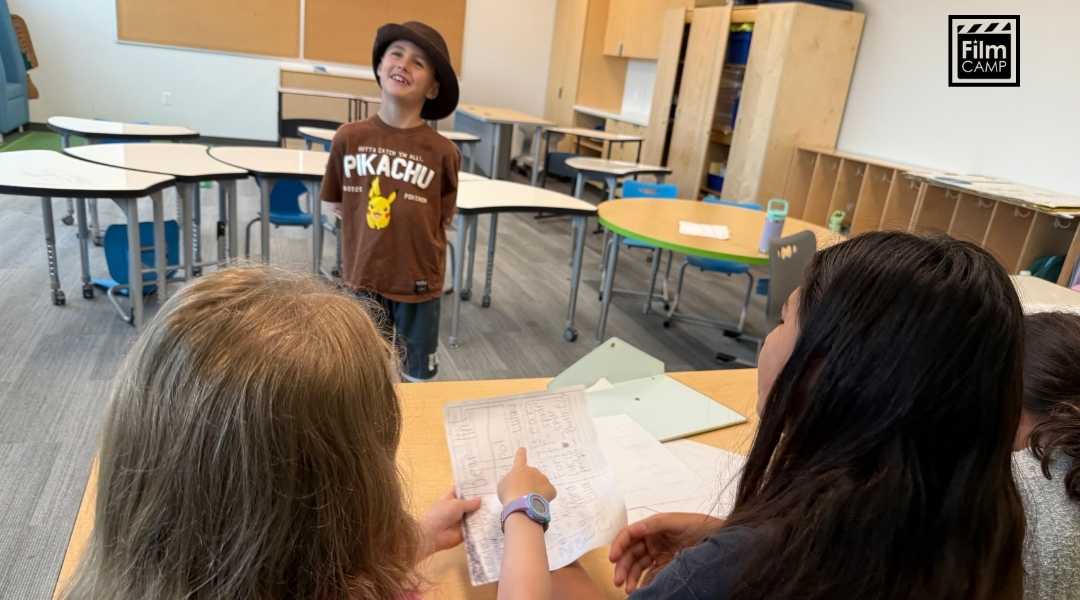
So you blinked, and suddenly it's almost summer again. Your kid's asking about camp. Your neighbor just casually mentioned she booked hers back in October. And you're sitting there like, wait, October?
Here's the truth nobody tells parents until it's too late. Summer camp booking isn't a spring activity anymore. It's a fall thing. Sometimes a winter thing. And for the really good ones, it's basically a "the second registration opens" thing.
There's an old saying that fits here. The early bird doesn't just get the worm. It gets the top bunk and the best counselor too.
This guide walks you through exactly when to book, why timing matters more than ever, and how to avoid the waitlist panic that hits every March. Let's get into it.
Remember when your parents signed you up for camp in May? Yeah, those days are gone.
Demand for quality camps has exploded over the last five years. Parents want screen-free experiences. Kids crave real-world skills. And specialty camps like filmmaking, coding, and arts programs fill up faster than a concert ticket drop.
Think about it this way. Good camps are like good restaurants. The best ones take reservations months ahead. Walk-ins? Not really a thing anymore.
Most top-tier programs see 60-80% of their slots claimed before January 1st. Some niche camps sell out in under 48 hours when registration opens. Wild, right?
Let me break this down month by month so you know exactly what to do and when.
September to October: Early bird pricing opens at many premium camps. Returning camper priority registration starts here too.
November to December: General registration launches for most popular programs. Specialty camps begin closing waitlists.
January to February: This is crunch time. Expect price increases and limited session availability.
March to April: You're now hunting for leftovers. Some good camps still have space, but options shrink daily.
May to early June: Last-minute bookings only. Waitlists become your best friend.
Ever tried buying concert tickets the day of the show? That's what booking camp in May feels like.
Here's the inside scoop most parents miss.
Registration windows vary wildly based on camp type. Day camps, overnight camps, and specialty programs all run on different schedules. Some open in August of the previous year. Others wait until January.
Traditional overnight camps usually open earliest. Many start taking deposits in September for the following summer. Specialty camps like filmmaking programs often open registration between October and December.
Day camps tend to launch later, usually January through March. But the popular ones still fill up fast.
Want the real hack? Join the email list of any camp you're remotely interested in. That's how you find out about priority registration, early bird discounts, and secret waitlist openings.
Short answer? As early as humanly possible.
Long answer? It depends on a few things.
For returning campers, you usually get priority access. Most camps reserve a window just for alumni families, often in September. Don't miss this window if your kid loved camp last year.
For new families, aim to book 6 to 9 months before the start date. So for summer 2026 camps, you're looking at October 2025 through January 2026.
For specialty programs like filmmaking, arts, or sports-specific camps, book even earlier. These fill up the fastest because they have limited spots and high demand.
Is it possible to book last minute? Sure. But you're playing the lottery at that point.
Let's talk about what happens when you procrastinate.
Prices go up. Most camps have tiered pricing where early birds save 10-20%. Wait until spring, and you're paying full price for whatever's left.
Options shrink. Your kid wanted the filmmaking camp in Austin? Gone. How about the horseback riding one? Also gone. You end up settling for whatever has space.
Dates get limited. The best two-week sessions always go first. Last-minute bookers get stuck with awkward dates that clash with family vacations or other plans.
And then there's the emotional cost. Nothing feels worse than telling your kid their dream camp is full. Trust me.
Not all camps follow the same timeline. Here's what you need to know.
These book the earliest, period. Many open registration in late August or September of the previous year. Some even have multi-year waitlists for popular sessions. Book 8-12 months ahead to be safe.
Day camps typically open registration between November and February. They fill up in waves, with weekly sessions closing as summer approaches. Book 4-6 months ahead.
Filmmaking, coding, robotics, performing arts. These camps have smaller cohorts and often fill within weeks of opening. Book 6-9 months ahead.
Most sports camps open registration in January or February. College-run programs sometimes wait until March. Book 3-5 months ahead.
These often have the most loyal returning camper bases. Priority registration usually starts in September. Open enrollment can be as late as February.
Don't panic yet. You still have options.
Join every waitlist. Seriously. People cancel constantly because of schedule changes, financial shifts, or last-minute life stuff. Waitlist spots open up more than you'd think.
Check for newly added sessions. Popular camps sometimes add extra weeks based on demand. These get announced randomly, so stay plugged in.
Look at lesser-known camps. Your friend's kid might be going to the famous one. But there are amazing smaller camps flying under the radar with open spots.
Consider shorter programs. One-week camps often have more availability than multi-week ones.
Think beyond your zip code. Expanding your search radius by even 30 miles can open up tons of new options.
Quick question. Would you trust a restaurant that's always empty on a Saturday night?
Same logic applies to camps with suspicious availability in May.
If a camp still has tons of open spots right before summer, ask yourself why. Sometimes it's legitimate. Maybe they just expanded capacity. Maybe they're newer.
But sometimes it's a warning sign. Look out for:
Good camps have structure. Red flags have excuses.
Booking early is smart. Booking early at the wrong camp is expensive.
Here's what matters most when evaluating camps.
Match the camp to your kid's actual interests. Not what you wish they liked. Not what their friend is doing. What they genuinely want to explore.
Check staff-to-camper ratios. Quality camps usually have 1:6 or better for younger kids, 1:8 for older ones.
Look at counselor training. Real camps invest weeks in training. Ask about it directly.
Read recent reviews, not just the testimonials on the website. Search Google, parent forums, and local Facebook groups.
Visit if possible. Many camps offer open houses or virtual tours. Use them.
Ask about the return rate. Great camps have high percentages of returning campers, usually 70% or higher.
Waitlists aren't just a backup plan. Played right, they're a powerful booking tool.
Here's the thing. Many camps quietly move waitlist families to the top based on engagement. Parents who respond quickly to emails, show genuine interest, and stay flexible get bumped up.
Be the easy family. Respond within hours, not days. Be flexible on session dates. Say yes to alternate weeks if offered.
Also, don't just sit on one waitlist. Join three or four. Then commit quickly when a spot opens.
Payment plans also help. Camps love families who pay deposits fast. It locks in your spot and shows commitment.
Before you hit submit on that registration form, read the fine print.
Most camps require a deposit ranging from $100 to $500. Some require full payment upfront, especially for overnight programs.
Cancellation policies vary wildly. Some camps offer full refunds until a certain date. Others keep deposits no matter what. A few have tiered refund schedules where you get more back the earlier you cancel.
Ask these questions before paying:
Pro tip? Screenshot the cancellation policy when you register. Policies can change, and you want proof of what you agreed to.
Ever wonder why filmmaking camps, coding bootcamps, and performing arts programs sell out so fast?
Two reasons. Small cohorts and high demand.
Take filmmaking camps for example. Real filmmaking programs can't have 50 kids in one class. You need hands-on time with cameras, editing software, and directing real scenes. That means classes of 10-15 kids, max.
When you combine that with the rising demand for creative skills, spots disappear fast. Parents see the value. Kids want the experience. And suddenly a 15-seat class has 60 applicants.
If your kid's into filmmaking and you want them in a real program where they actually direct, shoot, and edit their own work, book early. Like, really early.
Let me share some common mistakes I see parents make every year.
Mistake #1: Waiting for spring break to discuss camps. By then, the best options are gone.
Mistake #2: Assuming last year's camp will be available. Popular programs often fill faster each year.
Mistake #3: Booking without involving the kid. Teens especially need buy-in, or they'll push back.
Mistake #4: Ignoring financial aid deadlines. Many camps offer scholarships but require applications in fall or early winter.
Mistake #5: Not scheduling around family events first. Book camp around your summer plans, not before them.
Why stumble through the same mistakes other parents make? Learn from their pain instead.
Good news. Many camps offer financial assistance.
Bad news. Most parents don't even know to ask.
Financial aid deadlines almost always come before regular registration deadlines. Miss them, and you're paying full price.
Here's how to navigate it.
Research scholarships in September or October. Most camps list aid options on their websites. Some partner with local nonprofits too.
Apply by November or December. These are common deadlines for summer the following year.
Have documentation ready. Tax returns, proof of income, and sometimes essays from the camper.
Don't assume you won't qualify. Many scholarships go unused because families don't apply.
It never hurts to ask. The worst they can say is no. The best is a life-changing experience for your kid at a fraction of the cost.
Okay, you booked. Now what?
Start the conversation early. Don't wait until the week before to prep your kid. Talk about what to expect, who they'll meet, and what they'll do.
Practice independence skills. Making their own bed. Packing their own bag. Managing money if it's overnight camp.
Address homesickness proactively. Most kids feel nervous, especially first-timers. Validate the feelings, but don't dwell on them.
Buy gear gradually. Spread out purchases so it's not one huge shopping trip in June.
Meet other campers if possible. Many camps organize pre-camp meetups or online introductions.
The gap between booking and attending is where the real prep happens. Use it.
Got more than one kid? This gets trickier.
First, check if your camps offer sibling discounts. Many do, but they often have early booking requirements to qualify.
Second, coordinate schedules. Having kids at different camps with overlapping weeks makes logistics a nightmare. Try to align sessions when possible.
Third, consider camps with multiple age ranges. Some programs accept siblings across different age groups at the same location. Huge quality-of-life win for parents.
Fourth, watch for family discounts. Larger camp organizations sometimes offer packages for 2-3 kids.
Booking for multiple kids takes 2-3x longer than booking for one. Start even earlier than you think you need to.
Here's a simple checklist to make sure you don't miss anything.
August-September:
October-November:
December-January:
February-April:
May-June:
Simple, right? But most parents skip half these steps and wonder why things feel chaotic in June.
If your kid dreams of being the next great director, screenwriter, or actor, Film Camp offers hands-on filmmaking programs for young creators ready to make real movies.
Located in Austin, Texas, Film Camp runs small-group programs where campers write, direct, shoot, and edit their own short films. Registration for peak summer sessions typically opens in fall, and specialty filmmaking camps like ours fill faster than most.
Want to lock in a spot? Reach out early. Our sessions tend to hit capacity well before spring, and waitlists fill quickly.
Get in touch:
Whether your camper's a total beginner or already making TikToks with cinematic ambitions, there's a program fit for them.
Here's the honest truth. Summer camp planning isn't something you do in April anymore.
The parents who get their first-choice camps, at the best prices, with the ideal dates? They're the ones thinking about summer 2026 right now, in October 2025. They're joining email lists. Attending virtual open houses. Setting calendar reminders for registration days.
Is it a lot? Kinda. But compared to the alternative, which is scrambling in May while your kid stares at you disappointed, it's worth it.
Your kid gets one summer at each age. Each year, they're a slightly different person with slightly different interests. The camp experience you book today shapes who they become tomorrow.
So start early. Book smart. And make this summer the one they're still talking about ten years from now.

Kids ages 7 to 14 can register for Los Angeles Film Camp at Solar Studios in Glendale. This guide covers simple steps, session dates, pricing, safety, and premiere day.
Read >
Comparing film camps in San Francisco? This guide shows five signs of a great one, what fair pricing looks like, how safety works, and how to choose the right summer camp confidently.
Read >.jpg)
Break weeks leave working parents scrambling. A holiday film camp covers the workday while kids write, shoot, and edit a short film in five days, ending with a family premiere.
Read >
After the showcase, camp films reach families as private digital links within days. Learn how delivery works, how media consent protects privacy, and how to safely share your child's movie.
Read >.png)