Choosing the right summer camp length depends on your child, not the calendar. This guide breaks down ideal camp duration by age, readiness, and camp type, including film camp recommendations.
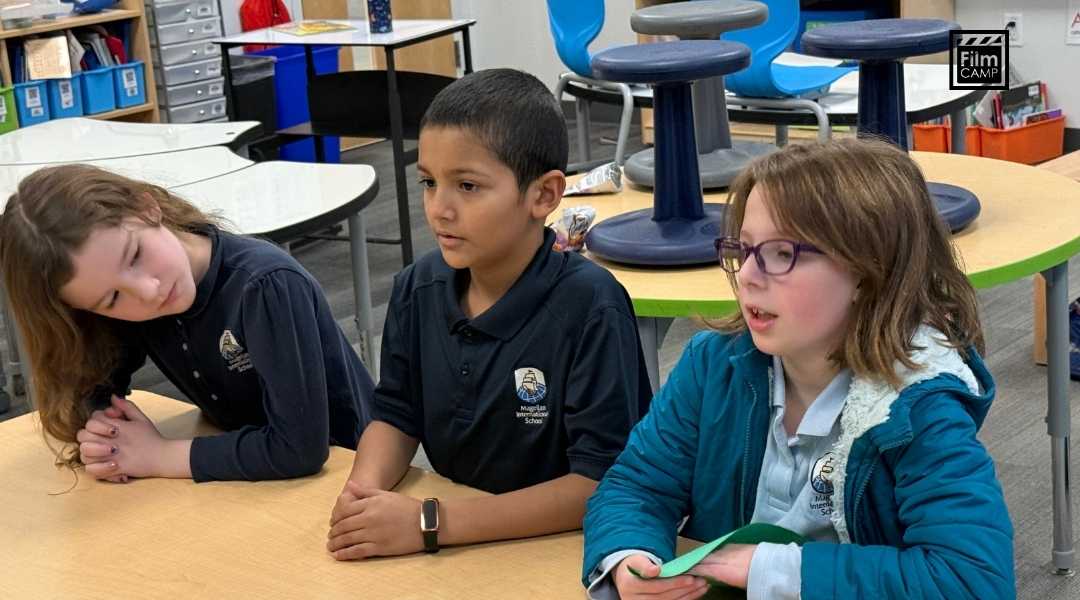
Some kids thrive after one week. Others finally open up in week three. The right camp length depends less on the calendar and more on your child.
You're not picking a number. You're picking an experience that fits how your kid actually grows.
This guide breaks down camp duration by age, by camp type, and by readiness. We'll cover one-week starters, two-week sweet spots, and longer creative programs like film camp.
Quick takeaway: Most kids do best with one or two weeks. Longer camps work great when your child is ready and excited.
Don't dig a well when you're already thirsty. Waiting until summer starts often leads to rushed camp decisions.
You want your child to grow this summer. But you also don't want them counting the days until pickup.
That tension is normal. Most parents feel it. Choosing camp length can feel like packing for weather you can't predict.
You're balancing real worries. Will they get homesick? Will the cost be worth it? What if they hate it after day two?
Here's the good news. There's no single right answer. There's a right answer for your child.
Some kids cannonball into camp life. Others ease in slowly. Both paths can lead to a great summer.
This guide will help you match camp length to your child's age, personality, and goals. We'll keep it simple and skimmable. You'll leave with a clear plan.
We'll also cover specialty options like film camp. Creative programs follow slightly different rules. They reward longer stays and finished projects.
By the end, you'll know exactly how to choose. No guesswork. No guilt.
Most kids do best with one to two weeks of camp. That window builds friendships, sparks confidence, and avoids burnout.
One week works for first-timers and shy kids. Two weeks suits returning campers and creative programs. Longer stays fit older kids with clear goals.
One week builds comfort. Two weeks builds confidence.
Here's the short version:
These ranges aren't rules. They're starting points.
Every child is different. Match the camp to the kid, not the kid to the camp.
Some kids cannonball into camp life. Others need a slow walk into the water. Both are fine.
Use this three-step framework:
Bottom line: start small before you go big.
A great first camp matters more than a long first camp.
Camp length shapes how much your child gets out of the experience. It's not just about days. It's about depth.
The first few days at any camp feel awkward. Kids size up new faces. They learn the routine. They figure out where the bathroom is.
Real growth starts after that adjustment ends. Most kids need three to four days to feel settled. After that, the magic happens.
Friendships form. Skills click. Confidence builds. That's the breakthrough moment.
Camp is less like flipping a switch and more like warming up an engine.
A one-week camp gives kids only a few days of that real magic. Two weeks doubles it. Three weeks deepens it further.
But longer isn't always better. Long camps can drain energy if your child isn't ready. They can feel heavy instead of fun.
The sweet spot depends on your kid. A confident 8-year-old may shine in two weeks. A shy 10-year-old may peak at one.
Camp duration also affects friendships. Short camps build acquaintances. Longer camps build inside jokes. Those bonds often become the highlight kids remember years later.
Skill camps follow the same logic. Filmmaking, coding, or theater needs time to repeat and improve. A finished project beats a rushed one every time.
The right length lets your child move past adjustment. It gives them space to actually enjoy what camp offers. That's where growth lives.
Yes. One week can be plenty, especially for the right child.
Short camps work well for younger kids and first-time campers. They build comfort without overwhelming anyone. The shorter timeline feels safe and manageable.
But one week has limits. Most kids need a few days just to settle in. That leaves only a few real "in the groove" days.
So the answer depends on your goal. Want a positive first taste of camp? One week is perfect. Want deeper skill growth or strong friendships? You may need more.
What if your child simply needs a successful first step?
That's often the best reason to pick one week. A short happy camp builds excitement for next year. An overwhelming long camp can do the opposite.
One week works great in these situations:
Some kids don't need a giant leap. They just need a good first landing.
A successful one-week camp often turns into a two-week camp the following year. That progression feels natural.
One week has real limits worth knowing.
Most kids need three or four days to fully settle in. That means a one-week camper may only feel "in the groove" for two or three days. The week ends just as things click.
Friendships also take time. Kids form surface bonds quickly. Real connections need shared days, inside jokes, and small adventures together.
Skill-focused camps suffer most from short stays. Filmmaking, theater, and coding all need repetition. A week barely gets past the basics.
One week can open the door. Two weeks often helps kids walk through it.
If your child is excited and ready, consider going longer. The first day of week two is usually the best day of camp.
A one-week film camp can spark a real creative passion. The trick is keeping the scope small.
Good beginner programs focus on one short project. Kids learn the basics of camera work, story structure, and editing. They walk away with something they made.
That finished video matters more than the lessons themselves. Showing it to family creates pride. Pride creates motivation. Motivation often leads to a longer camp next summer.
Look for film camps that offer:
One short film can spark a passion that lasts for years.
For families exploring creative options in cities like Austin, Los Angeles, or San Francisco, a one-week film camp is a low-pressure starting point.
For many kids, yes. Two weeks often hits the sweet spot.
Two weeks gives your child time to adjust and time to thrive. Week one builds the foundation. Week two builds the memories.
Friendships deepen. Skills stick. Confidence shows up in ways one week can't reach.
It's also flexible. Two weeks fits most family summer schedules. It leaves room for vacations, downtime, and other activities.
The cost-to-value ratio is strong too. You pay more than a one-week camp, but you get far more than double the experience.
Too short can feel rushed. Too long can feel heavy. Two weeks often lands right in the middle.
Industry data backs this up. Two-week sessions are the most common length for overnight camps in the US, and they consistently produce strong outcomes for kids.
The first week is mostly transition. New faces. New rules. New routines. Kids spend energy adjusting, not enjoying.
Week two is where real camp begins. Friendships click. Skills sharpen. Kids stop being guests and start feeling like members.
In week one, kids learn the camp. In week two, they often learn something about themselves.
That second week creates the stories they'll tell at home. The inside jokes. The cabin nicknames. The skill they finally nailed.
Two weeks also helps with homesickness. The first wave usually fades by day four. After that, kids settle in and start enjoying themselves.
For most kids ages 8 to 13, two weeks is the right balance.
Filmmaking takes time. Two weeks gives kids enough runway to build a real project.
Here's the typical creative arc:
Kids leave with a finished short film they're proud of. They also leave with skills they actually understand.
A two-week film camp also builds real teamwork. Kids learn to direct, act, hold a boom mic, and edit. Each role teaches something different.
Filmmaking is like learning a language. One week teaches a few words. Two weeks starts a real conversation.
If your child has any interest in storytelling or video, two weeks is the strongest starting point.
Three or four weeks moves camp from a fun activity to a real growth experience. This range works best for confident or experienced kids.
The benefits stack up. Friendships go deep. Independence sharpens. Skills develop in ways shorter camps can't match.
But longer camps aren't for everyone. They need a child who's emotionally ready. They need a kid who's excited to go, not pressured into it.
The cost also climbs. Three to four week programs are a bigger commitment for the whole family. You'll want to feel confident before saying yes.
Short camps introduce the experience. Longer camps often reshape it.
That reshaping is real. Kids who attend longer programs often come home different. More capable. More independent. More themselves.
Longer camps reward kids who already know what camp feels like. Returning campers settle in fast. They skip the awkward first days and dive straight into the good stuff.
This range fits well for:
Younger campers often look for comfort. Older campers usually look for purpose.
A three or four-week camp often becomes the highlight of an older camper's year. They stop counting days and start dreading the goodbye.
Creative kids gain the most from extended camps. Three or four weeks of film camp can shift a casual interest into a real skill.
Repetition is the secret. The first project teaches the basics. The second project shows growth. The third often reveals real creative voice.
Longer camps also allow:
The first project teaches mechanics. The third project often reveals a creative voice.
Teens serious about filmmaking, photography, or design benefit most. The longer timeline lets them build something that actually matters to them.
Maybe. Full-summer camp can be amazing for the right kid. It can also be exhausting for the wrong one.
The full-summer tradition has deep roots. For decades, six to eight week sessions were the norm. Many kids loved them and still do.
But not every child fits that model. Modern families also balance more activities, travel, and family time. A packed summer can hide real burnout underneath.
A packed summer can look productive on paper. But does it actually feel good for the child?
The strongest full-summer setups include downtime built in. Breaks between sessions. Family weekends. Real rest.
If you're considering it, watch for fit signals. A truly excited kid who's already loved shorter camps is the best candidate.
Full-summer camp works well in specific situations:
For some families, camp becomes the rhythm that keeps summer from falling apart.
The key is variety. Even within a long camp, different activities and weeks keep things fresh. Repetitive days drain energy fast.
Full summer isn't right when warning signs show up.
Watch for these signals:
Even exciting summers can feel heavy when there's no room to breathe.
Kids also need unstructured time. That's when they process growth, work through emotions, and just be themselves. A packed schedule strips that away.
If full summer feels like too much, split it. Two shorter camps with a break between often work better than one long stretch.
Age matters, but not as much as you'd think. A confident 7-year-old may handle camp better than an anxious 10-year-old.
Use these ranges as starting points. Then adjust based on your child's readiness and personality.
Stick with short, gentle introductions. One week of day camp is usually ideal at this age.
Kids this young still need predictable schedules and familiar faces at pickup. Overnight camps usually feel too big too fast.
Look for:
Think of early camp experiences like training wheels, not cross-country races.
This age is the sweet spot for camp growth. One to two weeks works beautifully.
Kids this age make friends fast. They love structure and adventure. Most adapt quickly once the first day passes.
Two weeks lets friendships deepen. It also gives kids time to try new skills without feeling rushed.
This is often the age when camp starts feeling less scary and a lot more exciting.
Preteens often thrive in two to three week camps. This age craves independence and real friendships.
They want freedom, but they still need structure. Good camps offer both.
Two weeks builds confidence. Three weeks builds identity. Many kids in this age group return year after year because of the bonds they form.
At this age, kids want more freedom. But they still need support behind the scenes.
Specialty camps like film, coding, or theater also start clicking here. Kids have the focus to stick with one craft and improve.
Teens benefit from longer, skill-focused programs. Two to four weeks of specialty camp often works best.
By this age, camp can build real-world skills. Filmmaking projects, leadership roles, and creative portfolios all become possible.
Look for camps that offer:
For many teens, camp stops being just an activity and starts becoming part of who they are.
Different camp styles fit different durations. A child who thrives in day camp may struggle emotionally in a long overnight setting, and that's completely normal.
Match the camp type to your child first. Then pick the length that fits both.
Day camps are perfect starters. One to two weeks suits most kids well.
Kids go home each evening. That makes the experience low-pressure and easy to repeat.
Day camp benefits:
Sometimes the best first camp ends with your child sleeping in their own bed.
Overnight camps work best with at least two weeks. Anything shorter often ends just as kids settle in.
The first night may feel hard. By the fourth day, many kids don't want to leave.
Overnight camp builds independence in ways day camp can't. Kids handle their own bedtime, meals, and conflicts. That growth sticks long after camp ends.
For first-time overnight campers, two weeks is the right starting point. Longer stays come later.
Specialty camps focus on one interest like art, sports, science, or coding. Two weeks is usually the sweet spot.
These camps reduce homesickness because kids stay engaged in something they love. The activity itself becomes the comfort zone.
Look for specialty camps that combine instruction with real projects. Hands-on beats lecture every time.
When kids love the activity, they stop counting the days.
Film camp deserves at least two weeks to be worthwhile. Filmmaking takes real time.
A two-week film camp lets kids:
Three or four weeks unlocks even more. Kids can build portfolio pieces, learn advanced techniques, and explore specialized roles.
A camera in the right hands can become a confidence machine.
Film camp options exist in major creative hubs like Austin, Los Angeles, and San Francisco. Each city offers different program styles, so explore options that match your child's age and skill level.
Readiness isn't about age. It's about emotional flexibility.
Some 9-year-olds handle three weeks easily. Some 13-year-olds aren't ready. Watch the signals, not the calendar.
The good news is that readiness shows up in small ways. Sleepovers. Group activities. Independent decisions. These all hint at how camp will feel.
You know your child better than any checklist ever will.
Still, a checklist helps. Use the next sections to evaluate where your child actually stands.
Run through these questions. The more "yes" answers, the more your child is ready for a longer camp.
No child feels 100% ready for something new. The goal is readiness, not perfection.
If most answers are yes, your child is likely ready for a longer stay. If most are no, start shorter.
Some kids need a slower start. That's fine. A shorter camp now sets up a longer one later.
Watch for these signs:
These aren't problems. They're just signals.
A one-week camp gives anxious kids a clear finish line. They can see the end from the beginning. That makes the whole experience feel manageable.
Some kids bloom slowly. That doesn't mean they bloom less.
Some kids show clear readiness for longer stays. These signs often appear naturally.
When children stop needing reassurance every hour, they often start exploring more independently.
If your child shows these signs, a two or three-week camp could be a great fit. They'll likely come home asking for longer next year.
Film camps follow slightly different rules. The right length depends on the type of skills and projects your child wants.
Filmmaking takes repetition. Kids need time to write, shoot, fail, and try again. Short camps barely scratch the surface.
For most kids, two weeks of film camp delivers the best mix of fun and growth. Longer programs unlock deeper skill development.
One week can spark interest. Several weeks can shape identity.
Quality matters as much as length. Look for camps that emphasize finished projects, hands-on production, and real collaboration.
A one-week film camp is the perfect entry point. It's short, exciting, and low-pressure.
Kids learn the basics:
They usually finish one short project. That finished video creates pride and confidence.
One finished scene can change how a child sees their own creativity.
This length suits younger kids and first-time filmmakers. It gives them a taste without a big commitment.
Two weeks is the sweet spot for most kids. The timeline matches a real production schedule.
Here's the typical flow:
Kids leave with a polished short film and skills they actually understand. They also leave with friendships built around shared creative work.
Week one teaches the tools. Week two teaches the voice behind them.
This length is ideal for kids ages 10 to 16 with real interest in storytelling.
Extended film camps unlock advanced creative growth. These programs work best for serious teens.
Three to four weeks allows kids to:
The best creative breakthroughs usually happen after the first few mistakes.
Longer film camps are common in creative hubs like Los Angeles, Austin, and San Francisco. They often include industry guest speakers, studio visits, and professional-grade equipment.
Here's the simple takeaway:
Two weeks fits most families. It balances skill growth, project completion, and attention span.
Start with enough time to grow, not enough time to overwhelm.
If your child loves their first film camp, expect them to ask for longer next year. That's the natural progression, and it usually works out beautifully.
You've got the framework. Now turn it into a decision.
The best camp length isn't always the longest one. It's the one your child can actually enjoy and grow through.
Use the next three steps to narrow your choice. Each one builds on the last.
Start with the goal. Different goals need different timelines.
A child attending camp to try something new may need less time than a teen building filmmaking skills.
Pick the goal first. The length follows naturally.
Summer also needs breathing room. Don't pack every week.
Kids process growth during downtime. They reflect, recharge, and just be themselves. That recovery matters as much as the camp itself.
Aim for a mix:
A great summer should feel energizing, not like a calendar sprint.
If your child finishes camp tired but happy, you got the balance right. If they finish drained, scale back next year.
Practical stuff matters too. Camp only works if it fits real life.
Think through:
Cities like Austin, Los Angeles, and San Francisco often have great specialty camps. But traffic and logistics can add hidden stress. Factor that in.
A great camp experience can lose momentum fast if daily logistics become exhausting.
Pick the camp you can actually sustain, not just the one that looks best on paper.
Sometimes seeing a real plan helps. Here are four common family scenarios with sample schedules.
Every family's summer puzzle looks a little different. Use these as inspiration, not rules.
Goal: Build confidence with a positive first experience.
Small wins create bigger confidence later.
Goal: Spark or develop a creative passion like filmmaking.
Creative confidence grows like muscle. Repetition matters.
Goal: Cover working parents' schedules with a balanced rhythm.
Sometimes the best summer plan is simply the one your family can actually sustain.
Goal: Build real skills, portfolio pieces, or leadership growth.
One summer project can quietly shape a future career path.
Most camp regrets come from a few common mistakes. Knowing them helps you avoid them.
A packed summer may impress adults. But does it actually help the child grow?
Here are the patterns that trip up parents most:
The biggest mistake is usually choosing camp length based on adult convenience instead of child adaptability.
Better approach: ask your child, watch for readiness signals, and start small if you're unsure.
Got more questions? Here are the ones parents ask most.
There's no perfect number of weeks for every child, and that's actually normal.
Most US summer camps run one to two weeks. Two weeks is the most common length for overnight camps, while one-week sessions dominate day camps.
Average works for many kids. But fit matters more than averages.
The average schedule works for many kids, but not every child learns or adapts at the same speed.
For first-time campers and younger kids, yes. One week builds comfort and creates a positive first experience.
For returning campers or skill-focused programs, one week is often too short. The first few days are spent settling in.
What matters more, one perfect week or three stressful ones?
It depends on the child. Confident, social kids often handle two weeks well, even on their first try.
Shy or anxious kids usually do better starting with one week. Build success first, then expand next year.
For one child, two weeks feels exciting. For another, it feels enormous.
Most kids are ready for overnight camp around ages 8 to 10. But age isn't everything.
Look for emotional readiness signs:
There isn't a magic age. There's a readiness window.
For most kids, two weeks of film camp is the sweet spot. It gives time to write, shoot, edit, and finish a real project.
One week works for beginners. Three or four weeks suits serious teens building portfolios.
Creative skills grow faster when kids have enough time to experiment, fail, and try again.
Usually no. Most kids do best with a mix of camp, family time, and rest.
Full summer can work for confident, experienced campers in a camp they love. It's harder for younger or first-time kids.
A full calendar can look impressive while still feeling exhausting.
Yes, and that's the natural progression. Many kids start with one week and gradually build up to longer stays.
A great short camp this year usually leads to excitement for a longer one next summer. That's the goal.
Camp confidence often grows one summer at a time.
There's no universal best camp length. There's only the best length for your child.
The right choice starts with watching, not Googling. Notice how your kid handles new situations. Listen to what excites them. Pay attention to what drains them.
Some kids need longer runways. Others are ready to fly quickly. The goal is not matching another family's summer. It's building the right one for your child.
Here's the short version of everything we covered:
For creative kids exploring film, photography, or storytelling, two weeks usually delivers the best mix of fun, skill, and finished projects. Longer film camps in cities like Austin, Los Angeles, and San Francisco can take that growth even further.
Whatever you choose, trust yourself. You know your child better than any guide ever will.
A great summer doesn't have to be long. It just has to fit.
Discover why filmmaking classes help creative kids build confidence, teamwork, and storytelling skills through hands-on movie projects at Film Camp Los Angeles, where beginners learn by creating real short films.
Read >.jpg)
Weekend film classes in Los Angeles teach kids ages 8 to 14 filmmaking every Sunday in Glendale. Compare real costs, curriculum, safety, and what to ask before enrolling your child.
Read >
Thanksgiving break film camps fill the three school-free days in Austin, Los Angeles, and San Francisco. Kids ages 7 to 14 write, shoot, edit, and premiere their own short film.
Read >.jpg)
Discover how kids ages 7–14 learn screenwriting, acting, directing, camera work, editing, teamwork, and confidence at Los Angeles Film Camp in Glendale while creating and premiering their own short film.
Read >.png)