Kids don’t need experience to attend camp. Most camps welcome beginners, focus on learning by doing, and help kids build confidence, skills, friendships, and independence from day one.
.jpg)
Walk into any solid summer camp on day one. You'll spot kids who've been ten times before. You'll also spot kids who've never seen a real campfire. By Friday they're all the same. Tired, muddy, and grinning ear to ear.
That's not an accident. Real camps build their whole setup around beginners. The whole job is starting from scratch. Camps want first-time camp kids. They love them.
Still, your worry makes sense. You picture your kid lost in a sea of pros. You wonder about them feeling left out. You worry they'll cry on day one and beg to come home.
Ever notice how kids learn by jumping in, not by reading manuals? That's the magic of summer camp. This guide cuts through the noise. We'll cover what camps actually look for in kids. What "no experience needed" really means. And the perks of starting fresh.
Whether you're eyeing a kids film camp, a sports camp, or anything in between. The truth holds. Kids don't need a head start. They just need a chance to start.
Most camps require zero experience. Period. Whether it's a beginner summer camp or a specialty program, doors open wide. Whether it's day camp for kids or overnight camp for beginners, the answer's the same.
Here's the simple math. Camps make money by including more kids, not fewer. They have no reason to filter out summer camp newbies. Every camp registration tip you read says the same thing.
Take a youth film camp. The whole point is teaching filmmaking from scratch. Programs expect zero experience required. Camp staff plans every single day around beginners and first time camp kids.
Same goes for sports camps. Music camps. Art camps. Outdoor adventure camps. Most accept kids who've never tried the activity before in their life.
You might wonder if your kid will fall behind. Will they look silly the first time? Here's the secret. Half the kids feel the same way. Even the ones who've been before.
Some camps split kids by skill level. They run a beginner track and an advanced track. Others throw everyone in together. Both setups work fine for first time camp kids.
If you're researching summer camp for beginners, you'll see the message everywhere. All levels welcome. No prior knowledge needed. Beginners welcome. That's not just marketing.
Camp counselors are trained for this. They start every session assuming kids know nothing. Camp staff experience matters way more than your kid's experience.
So the short answer stays short. Kids do not need experience to attend camp. Not for sleepaway camp first time. Not for residential camp kids. Not for week-long summer camp or weekend camp kids programs. Not for any of it.
The harder question is which camp fits your kid best. We'll get there. First, let's tackle why this myth even exists in the first place.
Camps live and die by enrollment. More kids equals more revenue. Filtering for skill would shrink the pool by half. Bad business.
But the real reason runs deeper. Camp is about teaching. Not testing. The whole job is helping kids learn from scratch.
Think about a kids movie making camp. If they only took kids who already knew filmmaking, what would they teach? The whole curriculum exists for first time filmmaker kids. That's the whole reason camp is built.
Camp pedagogy runs on learning by doing. Not lectures. Not homework. Real, hands-on camp activities that grow new skills. Kids pick up skills by trying them. Then trying again the next day.
Camp counselors are trained to teach beginners. Their training covers how to break down complex ideas. How to keep shy kids at camp engaged. How to make new skills summer camp activities feel doable.
Most camps follow an experiential learning model. Kids do the thing first. They learn the theory after. That order matters more than any prior knowledge ever could.
Camp culture also leans on peer learning. Kids who've been before help newer kids out. It's not formal. It just happens. That's part of the welcoming camp atmosphere good camps work hard to build.
Even gear-heavy camps stay beginner-friendly. Take filmmaking. Cameras look fancy. Lighting rigs look complicated. But camps break it all down step by step.
Look at any summer camp's marketing. The phrase "no experience needed" shows up everywhere. That's because camps want you to believe it. And it's actually true.
Bottom line. Camps need beginners. Kids learning filmmaking from scratch are the whole point. Same with sports, music, art, drama camp for kids, and any STEAM camp out there. Showing up is the only requirement.
Forget skill. Camps look at totally different things. Let's break down what actually matters.
Curiosity comes first. Camps want kids who are open to trying. That's it. A curious kid with zero skill beats a skilled kid who acts bored every time.
Age matters more than ability. Most camps publish camp age requirements right on the website. Some serve ages 5 to 9. Some serve ages 7 to 14. Others serve teens. Match the age, not a resume.
Basic physical readiness counts for some camps. Outdoor camps might ask if your kid can swim. Sports camps might ask about mobility. Most camps keep flexible standards.
Health forms show up everywhere. Camp registration tips always mention these. Allergies. Medications. Doctor info. Get this paperwork ready early. Don't wait till the last week.
Emotional readiness matters too. Is my kid ready for camp? It's the question every parent asks. Signs kid is ready for camp include curiosity, willingness to try, and basic comfort being away from home for a few hours.
For overnight camp, sleep readiness becomes key. Can your kid sleep without you in the room? If yes, sleepaway camp first time is doable. If not, start with day camp for kids first.
Willingness to try matters more than skill. A kid who's never picked up a camera but really wants to learn? Perfect fit for video production camp. A kid forced into it? Not so much.
Behavior baseline matters. Camps don't expect angels. They expect kids who can follow basic rules. Listen to counselors. Try not to hurt anyone. That's the bar.
That's the full list. Notice what's missing. Skill. Talent. Prior camp experience. Resume. Portfolio. None of it.
If your kid is curious, age-appropriate, healthy, and willing to try? They check every box that matters for any beginner summer camp.
Behind every beginner-friendly camp sits real planning. Let's pull back the curtain on the design.
Camp orientation day exists for a reason. First-day jitters are like stage fright before any real show. Camps know this. They build orientation around easing kids in slowly.
Day one usually starts with names. Quick games. A walk-through of the space. Camps don't throw kids into hard activities right away. The camp first day builds confidence slowly.
The schedule itself favors beginners. A typical day at camp follows a steady rhythm. Morning warm-up. Skill-building. Lunch. Hands-on project. Afternoon snack. Wrap-up.
Camp daily activities rotate to keep things fresh. Camp meal times stay consistent. Camp evening activities lean light and fun. Camp routines keep first time campers grounded fast.
Counselor-to-kid ratio matters most for beginners. Smaller groups mean more attention per kid. Look for camps with one counselor per 8 to 12 campers. Better camps go even smaller.
Film Camp runs a 12-to-1 ratio max. That means every kid gets real face time with a working pro. Beginners need that level of care from camp counselors training.
Skill grouping is intentional. Some camps lump all skill levels together. Beginners learn from peers who've been before. Others split by ability. Both setups work for first time camp kids.
Project-based camp formats help beginners shine. Instead of drills, kids build something. They make a film. They write a song. They build a robot. They paint a mural.
The project gives meaning to every skill. A kid learning to operate a camera isn't just doing drills. They're shooting a scene that ends up in a real short film with their name on it.
Camp curriculum gets sequenced for beginners. Skills build from simple to harder over the week. Day one is observation. Day five is execution. The arc matters.
Cool startup voice baked into camp messaging signals welcome. Phrases like "all levels welcome," "open to all skill levels," and "no prior knowledge needed" aren't fluff. They're design choices.
The whole inclusive summer camp setup says one thing loud and clear. Show up. We've got the rest.
Real talk. Sending a kid to camp the first time stings. Even when you know it's good for them. Let's walk through the worries head-on.
Worry one: Homesick at camp. This one tops the list. Some kids get homesick. Most don't, or they get over it fast. Camps train counselors to spot signs and help kids settle.
Day camps mostly skip this issue. Kids come home every night. Sleepaway camps prep for it with letters home, counselor check-ins, and a busy schedule that keeps kids engaged. Camp drop off tips usually cover this in detail.
Worry two: Kid scared of camp. Pre-camp anxiety is normal. So is the kid being totally fine once they get there. The drive there often feels worse than camp itself.
Worry three: Will they make friends at camp? Camp friendships form fast. Faster than school friendships. Why? Shared experience. Kids work on the same project under the same deadline. That bonds them quick.
Shy kids at camp often surprise their parents. A quiet kid at school can become the loudest voice on set. That's not a fluke. It's the supportive camp environment doing its job.
Introvert kids camp programs lean into small group work. Social skills summer camp builds even when no one calls it a lesson.
Worry four: Will they fall behind the experienced kids? No. The whole curriculum runs at a beginner pace. Even kids with prior experience start over with new tools, new teammates, and new projects.
Worry five: Safety. Good camps run camp background checks on every adult. They train staff in first aid and CPR. They follow camp health protocols. Ask any camp about their safety setup. They'll happily share.
Worry six: Will my kid like it? Honest answer. Most kids do. A few don't. That's life. Don't sign up for a month-long program for the first try. Test with a week.
Worry seven: Drop-off day will be brutal. Maybe. Quick goodbyes work better than long ones. Don't linger. Don't sneak off either. Say goodbye. Walk away. Trust the system.
What kid actually shows up to anything new feeling totally prepared? Almost none. Kids handle camp better than parents expect. Every time.
Starting from zero sounds like a disadvantage. It's actually a perk. Hear me out.
No bad habits to unlearn. A first time filmmaker kid has no shortcuts. No old wrong ways. No "well that's how my last teacher did it." They learn the right way from day one.
Compare that to a kid who's been doing it wrong on YouTube for two years. The instructor spends week one breaking those habits. By week two they're starting fresh. Your beginner is already past that point.
Beginner's mindset wins. Zen monks chase this state. Kids walk in with it for free. Everything looks new. Every detail matters. Every small win feels huge.
That's gold for learning. A kid in beginner's mindset notices things experienced kids skip past. They ask better questions. They build deeper understanding.
No comparison trap. Experienced kids sometimes get stuck judging their work against peers who've been at it longer. Complete beginners skip that whole game.
Their bar is "did I make a thing." Not "did I make a better thing than that other kid." That's a healthier place to learn from.
Faster, deeper growth. A complete beginner camp experience often produces the biggest jumps. From zero to functional in five days. That's wild progress.
Kids feel that. They feel the gap between Monday morning and Friday afternoon. That feeling builds confidence camp counselors can't fake.
Genuine surprise and wonder. A kid who's never seen a green screen before lights up when they figure out how it works. That moment matters. Repeat campers don't get that hit anymore.
Skills are like muscles you grow by using. First-time use builds the foundation. Future camps stack on top.
The camp transformation kids talk about? It's real. Parents describe watching their kid come home different. More confident. More thoughtful. More willing to try new things at home.
That summer of growth tends to hit hardest the first time around. The first camp leaves the biggest mark. The lifelong friends camp stories often start in week one.
Kids stepping out of their comfort zone for the first time? That's the whole reason camps exist.
Choosing the right camp matters. Not all summer camps are built the same. Here's how to pick smart.
Look for "all levels welcome" language. Beginners welcome. Mixed skill camp. Camp inclusive levels. These phrases tell you a camp is built for newbies.
If a camp talks only about elite skill development or advanced training? Maybe skip it for the first round. Those camps exist for kids with prior experience.
Counselor-to-kid ratio sets the tone. Lower ratios mean more attention per kid. Aim for 1-to-12 or smaller. Specialty camp for kids should especially keep this number tight.
Day vs overnight depends on your kid. Sleepaway camp first time can wait. Day camps work well for first attempts. Kids come home, eat dinner, talk about their day, sleep in their own bed.
If your kid is over 9 and totally fine at sleepovers? Overnight camp for beginners works fine. Just match camp length to comfort.
Specialty vs general camps. General camps offer a buffet. Sports, swimming, crafts, archery. Good for kids unsure what they like. Specialty camps go deep on one thing.
A kids film camp goes deep on filmmaking. A baseball camp goes deep on baseball. Pick specialty if your kid already loves the topic. General if they don't know yet.
Length of session matters. A weekend camp kids program tests the waters. Five days hits the sweet spot for most beginners. Longer sessions work once your kid knows they like it.
Read the camp schedule kids will follow. A clear, balanced schedule signals good planning. Vague descriptions usually mean vague delivery.
Look at safety and credentials. Trained staff. CPR certification. First aid. Background checks. Insurance. Ask about all of it. Good camps share happily.
Check actual outcomes. Look at testimonials. Look at photos. Look at the final showcase. Camp success stories should feel like real kids doing real things, not stock photos.
Ask about camp scholarships and camp financial aid. Affordable summer camp options exist if you ask. Many camps offer sibling camp discount programs, early bird camp discount pricing, and even returning camper discount setups.
Talk to your kid. This sounds obvious. People skip it. Show your kid the camp website. Ask what excites them. Ask what scares them. Their answer guides the pick.
A week of camp packs in more than most school months. Let's break down what kids actually walk away with.
The actual skill, obviously. A kid at filmmaking for beginners camp leaves with hands-on filmmaking experience. They've held a camera. They've directed a scene. They've cut footage in editing software. That's real youth video skills, learned by doing.
For sports camp, swimming, music, drama camp for kids, art camp. Same idea. They picked it up. They tried it. They got better fast.
Independence summer camp builds quietly. Even at day camp, kids handle their own stuff. Their lunch. Their water bottle. Their gear. Their time. Independence shows up as the secret prize.
Social skills summer camp builds fast. Kids work in small teams. They talk to other kids they've never met. They figure out group dynamics in real time. Camp social skills grow whether you plan it or not.
Routines. Camp daily routines stick. Wake up. Eat. Work on a project. Eat lunch. Work more. Wrap up. Kids carry that rhythm home for weeks after.
Camp problem solving skills. Things break. Plans change. Kids deal with it. A kid running camera who drops a memory card finds another. A kid in a play who forgets a line improvises. That's real-world problem solving.
Teamwork. Camp teamwork skills come from real projects. A film needs a crew. A play needs actors. A robot needs a team. Kids learn that fast through team activities camp programs build in.
Confidence. This one shows up last but hits hardest. Kid does a thing they didn't think they could. Now they know they can. That's it. That's the magic. That's kids self-esteem camp builds for free.
Communication. Public speaking. Sharing ideas. Listening. Disagreeing without exploding. Camp social moments build this without anyone calling it a "lesson." Camp character development happens between the lines.
Creative camp activities sharpen creative thinking. Brainstorming. Trying. Failing. Trying again. Kids learn the process. Not just the output. Kid emotional growth camp shows up here.
A real product to point to. Whether it's a short film, a painting, a song, a robot, or a finished obstacle course time. Kids leave with proof they did something. That proof matters more than any grade.
As they say in Texas, every cowboy started off as a greenhorn. The camp learning experience just gives kids a place to make the messes that turn greenhorns into capable hands. Camp lasting impact starts on day one.
How you frame camp shapes how your kid shows up. Some quick advice on the pre-camp talk.
Keep it casual. A serious sit-down feels weird. Bring up camp during dinner. During a car ride. While packing. Casual builds excitement. Formal builds pressure.
Manage expectations. Don't promise "the best week of your life." Promise something real. "You'll try new stuff. You'll meet new kids. Some parts will be awesome. Some parts will be hard." That honesty matters.
Easing camp anxiety works better when expectations match reality. Kids are smart. They smell hype.
Pack together. Packing solo feels overwhelming. Packing with a parent feels like a team move. Use a kid camp checklist. Cross items off together. Camp packing tips usually live on the camp's website.
Summer camp gear lists help. Camp essentials kids need usually come down to clothes, shoes, water bottle, and personal items. Most camps provide the activity gear.
Address fears directly. Don't dismiss worries. "What are you nervous about?" beats "Don't be nervous." Listen first. Then talk through plans for each worry.
If they're worried about not knowing anyone, talk through how they'll meet kids. If they're worried about food, look at the menu together. Specific worries get specific answers.
Skip the "don't worry" trap. Telling a kid not to worry rarely works. Saying "it makes sense to feel that way, here's what helps" works way better.
Talk about what camp counselors do. Kids feel safer when they know who's in charge. "The counselors are like teachers but cooler." "If anything feels wrong, you tell them." Simple language wins.
Set the homesickness plan upfront. For overnight camp, agree on a plan. "We'll see your letter on Wednesday." "You'll get one phone call on Thursday." "You'll be home Saturday." Knowing the structure helps a kid missing home settle in.
Camp pickup day deserves a quick mention. Tell them when you'll arrive. What you'll do after. A small celebration plan after camp gives them something to look forward to.
Rehearse the goodbye. Quick. Warm. Then go. Lingering hurts everyone. Kids settle into camp faster when parent separation camp moments stay short.
Don't oversell. Don't undersell. Just be real. Real beats hyped every time. Building camp excitement works best when it stays grounded.
A few rare cases exist where prior experience helps. Most don't apply to first-time campers. Let's cover both sides clean.
Some elite-level camps do require prior experience. Olympic-track sports camps. Conservatory-level music programs. Specific film intensive programs aimed at advanced teens. These aren't typical summer camps.
They're more like training programs. Most camp directories don't even list them next to regular summer camps for kids.
Some summer camps offer advanced tracks alongside beginner tracks. A camp might run "intro to filmmaking" and "advanced filmmaking" side by side. A kid with experience joins the advanced track. A beginner joins intro.
That's not a barrier. That's a perk for both kinds of kids. Mixed skill camp setups work for everyone.
For competitive showcases or ranked events, experience helps. A national debate camp tournament prep session might assume some debate background. A camp ending in regional competition might lean toward experienced kids. Read camp descriptions carefully.
Most kids will never run into these situations. The vast majority of summer camps welcome zero experience. Zero experience required. Period.
Where experience never matters? Day camp for kids. Specialty camp for kids that markets to beginners. Most overnight camp programs. Drama camp for kids. Most music programs aimed at intro-level work. Movie making camp for first-timers.
A kid with prior camp experience does have one small edge. They know the rhythm. The cabin life summer camp routine isn't new. The bunkmates camp dynamic feels familiar. The camp roommates situation makes more sense.
That edge fades by Wednesday. By Friday it's gone. First-timers catch up fast through camp orientation day setups.
Don't let "experience helps" panic you into wrong choices. If you find a camp marketing itself to beginners and your kid is curious? Sign up. The match matters more than any other factor.
The bottom line stays simple.
For 95% of camps, experience doesn't matter. For 5%, check the description carefully. For the remaining slice of elite training programs, those programs make their requirements crystal clear up front.
Most parents will only ever deal with the first group. So relax.
Camp doesn't ask for a resume. It asks for a curious kid willing to try. That's it.
Don't put the cart before the horse. Worry about packing the right shoes before you worry about prior experience. Worry about getting health forms in. Worry about helping your kid feel ready. None of that hinges on past camp time.
At Film Camp, kids ages 7 to 14 walk into our studio with zero experience. By Friday, they've written, directed, shot, and edited their own short film. They watch it on a real screen with real popcorn and real applause. That's the whole point.
Camps are like a low-stakes laboratory for trying new things. Your kid can stumble safely. They can ask weird questions. They can fail and try again. All under trained eyes. That's where camp confidence building actually happens.
We're at 3909 San Fernando Rd, Glendale, CA 91204, United States. Call (323) 471-5941 or email hello@film.camp any day of the week. We're happy to walk through any camp questions you have.
The truth holds for every legit summer camp. Beginners welcome. All levels welcome. Open to all skill levels. The first day looks the same for everyone. Nervous. Curious. Ready.
By Friday, your kid's not the same kid. That's the magic. And it starts the second they walk in. No experience required.
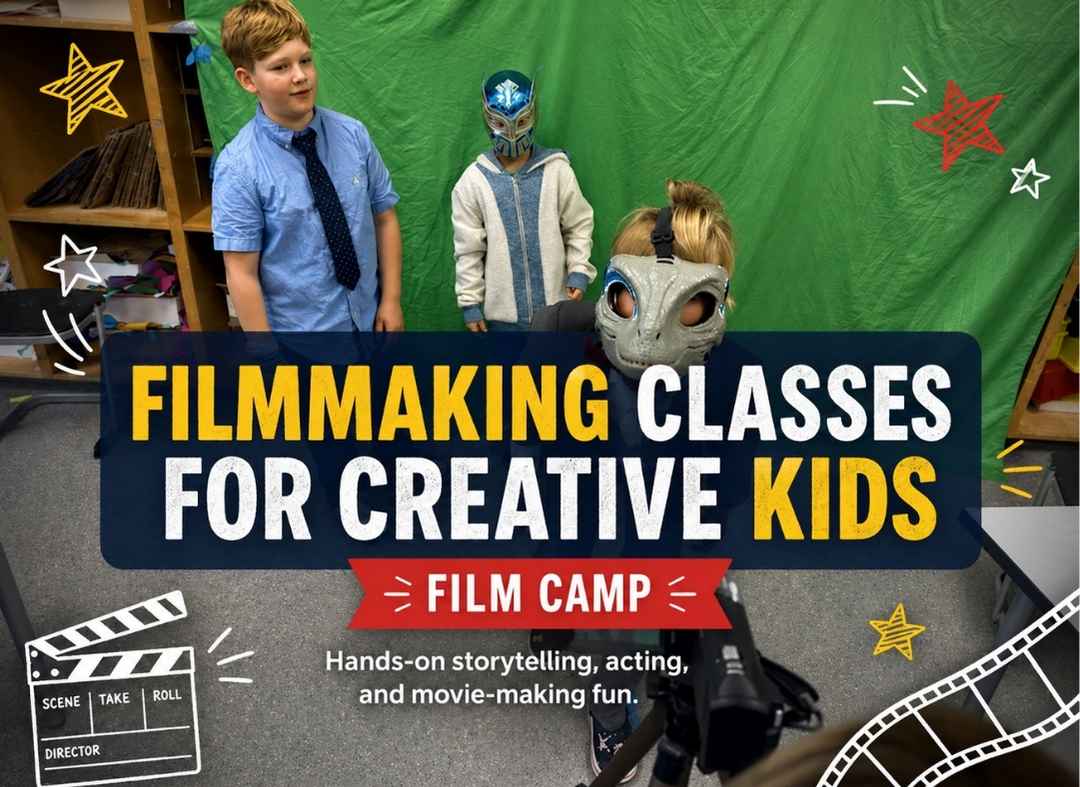
Discover why filmmaking classes help creative kids build confidence, teamwork, and storytelling skills through hands-on movie projects at Film Camp Los Angeles, where beginners learn by creating real short films.
Read >.jpg)
Weekend film classes in Los Angeles teach kids ages 8 to 14 filmmaking every Sunday in Glendale. Compare real costs, curriculum, safety, and what to ask before enrolling your child.
Read >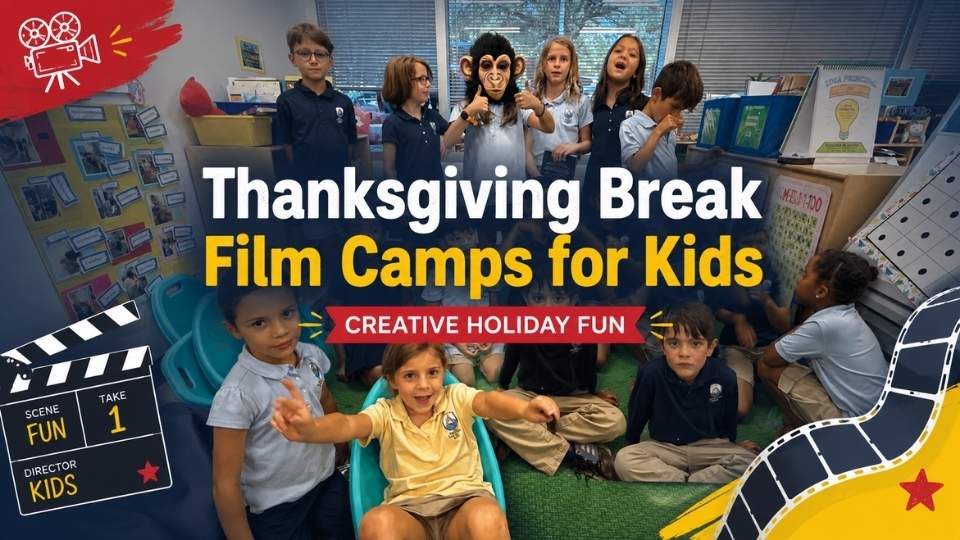
Thanksgiving break film camps fill the three school-free days in Austin, Los Angeles, and San Francisco. Kids ages 7 to 14 write, shoot, edit, and premiere their own short film.
Read >.jpg)
Discover how kids ages 7–14 learn screenwriting, acting, directing, camera work, editing, teamwork, and confidence at Los Angeles Film Camp in Glendale while creating and premiering their own short film.
Read >.png)