Wondering how weekend film classes for kids work? Children write, direct, film, and edit a short film while building confidence, teamwork, and creativity across Austin, Los Angeles, and San Francisco.
.jpg)
What happens when a child gets the chance to create a movie instead of just watching one? That single shift changes everything. Weekend film classes for kids turn screen time into screen-making time. Your child writes a story, picks a role, and helps shoot a real short film. They leave with more than facts. They leave with a finished project and fresh confidence.
We built this guide for parents who want a clear answer, not a sales pitch. Good kids filmmaking classes focus on completing a real project. They do not just teach film words and send everyone home. Below, you will learn how these classes run, what kids actually make, and how to spot a program worth your time.
Here is what you will learn:
Weekend film classes for kids are short, hands-on programs where children make their own films. Kids meet in small groups on weekends. They write, direct, act, shoot, and edit together. By the end, they finish a real short film. This is not passive learning. It is creating, one weekend at a time.
Most parents picture a classroom with a teacher talking about movies. Real kids filmmaking classes work the opposite way. Kids learn by doing. They pick up a camera on day one. Think of it like a film set, not a lecture hall. Every child has a job, and every job matters.
The magic lives in self-expression. A shy idea becomes a scene. A scribbled note becomes a script. Kids see their own creativity come to life. That is the heart of youth film classes.
Picture a small film set buzzing with energy. One child holds the camera. Another reads lines. A third calls "action." That is a hands-on movie making program in motion. Kids are not memorizing terms. They are building real scenes with real gear.
For example, a group might film a two-minute mystery. They block the shot, run it, and watch it back. Practical film education sticks because kids feel it in their hands. They make the movie. They do not just study it.
Project-based filmmaking teaches through action, not flashcards. Kids learn a skill, then use it right away. They write a scene, then shoot it. They learn editing, then cut their own footage. Each step leads to a finished student film project.
This is learning by doing, and it lasts. Kids remember what they create far better than what they hear. A lesson fades. A finished film stays. When a child sees their own movie on screen, the skills lock in. That is why project work beats passive lessons every time.
These classes welcome more kids than you might expect. They are not just for future directors. They fit many kinds of creative kids.
If your child likes to imagine and build, they will likely feel at home. Youth film education makes room for every type.
Kids in film classes write stories, plan scenes, and shoot short films. They take turns directing, acting, filming, and editing. Each child tries different filmmaking activities across the program. By the end, they help finish a real movie they can show their family.
Yes, film classes are good for kids. They build creativity, teamwork, and confidence in a fun, low-pressure way. Kids learn to share ideas and solve problems together. The filmmaking benefits reach far beyond movies. Your child gains skills they will use for life.
Every quality film class follows a clear path from idea to finished movie. The process mirrors how real films get made. Kids move through each stage step by step. Nothing feels random. The structure gives kids clarity and gives you confidence.
Here is the simple truth. A pro studio and a kids class follow the same script-to-screen path. One has a bigger budget. Both start with a story and end with a movie. Below is how the filmmaking process unfolds in class.
Every film starts with an idea. Kids brainstorm story ideas they care about. Maybe a robot makes a friend. Maybe a dog saves the day. Instructors guide the storytelling activities and help shape the spark. Imagination leads, and every idea gets a chance.
Next, kids turn ideas into a plan. They try scriptwriting for kids in simple, friendly steps. They write lines and choose scenes. Then they draw storyboards to map each shot. This is where creativity meets structure. Kids see their story take real shape before they film.
A film needs a team, so kids pick film crew roles. One leads as director. Others run camera, sound, or props. Some step in front to act. This gives each child real ownership. They are not watching a movie get made. They are making it. Directing for kids feels powerful and fun.
Now the set comes alive. Kids rehearse lines and blocking first. Then they start filming scenes. They learn acting for camera and practice each take. The energy is high and the room buzzes. Mistakes become bloopers and laughs. This is the part kids talk about for weeks.
Footage alone is not a film. Kids learn basic video editing for kids using simple tools. They cut clips, add titles, and line up music. They watch scenes come together on screen. Each editing choice builds a sense of achievement. The pile of clips becomes a real movie.
Then comes the best part. Families gather for a student film showcase. The lights dim and the film plays. Kids see their faces and hear their lines on screen. Parents cheer and clap. This family film premiere is pure pride. Months of effort earn one unforgettable moment.
Kids make a short film in class by working as a team. They write the story, plan the shots, and assign roles. Then they film scenes and edit the footage together. Instructors guide each step so beginners can succeed. The result is a complete short film.
Kids can make a short film in a few weekends or one focused week. Timing depends on the program length and the film's scope. Short films take less time than ambitious ones. Set the expectation early. A simple, finished movie beats a big, unfinished one.
A good weekend film class schedule builds skills one step at a time. Each session adds to the last. Kids never feel lost or rushed. The filmmaking curriculum moves from story to screen in clear stages. This structure shows you the class is organized and worth your investment.
Want to see how it flows? Here is a sample ten-week youth film workshop. Notice how each week leads naturally into the next.
Kids meet the team and learn filmmaking basics. They explore what makes a great story. Storytelling for kids starts with one simple question. What story do you want to tell? Curiosity sparks fast.
Now kids shape their ideas into words. They try scriptwriting lessons and build characters. They give each character a goal and a voice. Creativity flows as the story grows on the page.
Kids draw their movie before they film it. Storyboarding turns words into pictures. They plan each shot and scene. Visualization makes the whole film feel real and reachable.
This week kids step into the spotlight. They learn acting for film and try directing basics. They practice lines and guide scenes. Confidence grows with every take.
Kids pick up the camera and learn how it works. They explore camera basics and shot composition. Wide shots, close-ups, and angles all tell different stories. Discovery happens fast here.
Now the set gets professional. Kids learn lighting basics and sound recording. They handle props and follow simple set safety rules. They start to feel like a real film crew.
Before the big shoot, kids prepare. They run rehearsals and finish production planning. They check roles, props, and scenes. Preparation makes filming day smooth and fun.
Lights, camera, action. Kids film their main scenes this week. The whole movie production comes together. Momentum builds as the story gets captured shot by shot.
Kids head into post-production. They build editing skills and shape the footage. They add titles, music, and final touches. Watching the cut come together feels like a real achievement.
The final week is the payoff. Kids add the last polish to their film. Then families arrive for the student film showcase. The lights dim and the movie plays. Pride, applause, and a memory your child will keep forever.
Yes, a weekend film class is enough time to learn the basics and finish a short film. Kids gain real skills and a complete project. Mastery takes longer, and that is normal. Beginners benefit most from steady weekly practice. Consistency beats cramming everything at once.
Kids do not just learn how movies are made. They learn how ideas become action. Filmmaking skills for kids reach far beyond the camera. Children build storytelling, leadership, teamwork, and communication. Many parents enroll for the movies. They stay for the growth.
Will your child gain useful life skills or just learn about movies? Here is the honest answer. The skills learned in film classes transfer to school, friendships, and confidence. Below are the big ones.
Filmmaking sharpens how kids think and write. They learn storytelling skills and scriptwriting skills together. They organize ideas and communicate them clearly. Creative writing feels fun when it leads to a movie. A scattered idea becomes a clear story. Those screenplay basics build strong thinkers.
Some kids barely speak on day one. By the final screening, they are volunteering for scenes. That is the power of acting confidence. Kids practice performance skills in a safe, supportive space. On-camera confidence grows with each take. Soon, the spotlight feels like home.
Directing teaches kids to lead with care. They make choices and guide their team. They learn directing skills and creative leadership. Every decision shapes the scene. This builds leadership development in a low-risk, fun environment. Kids learn that good leaders listen first.
Kids gain real technical know-how here. They learn camera basics, sound recording basics, and video editing for kids. One button leads to one shot. One shot becomes one scene. The mini skill list grows fast.
Film projects need a team. No one person can fill every role. So kids learn teamwork skills and creative problem solving. When a scene goes wrong, they fix it together. Collaborative filmmaking turns strangers into a crew. They learn that great work is shared work.
Filmmaking is full of talking, listening, and sharing. Kids build communication skills and public speaking confidence. They pitch ideas and give feedback. They learn to listen. They learn to lead. These life skills follow kids far beyond the set.
When kids make media, they understand media. They learn media literacy and visual storytelling. They see how shots, music, and edits shape a message. This is digital storytelling in action. Kids who make content become smarter about the content they watch.
Filmmaking teaches children storytelling, teamwork, leadership, and communication. Kids also learn camera, sound, and editing basics. Beyond the technical filmmaking skills for kids, they gain confidence and creative problem-solving. These skills support school, friendships, and self-expression for years.
Yes, film classes help kids build confidence in a big way. Kids share ideas, take roles, and finish a real project. Each small win adds up. Confidence building activities like these create lasting change. A quiet child can find a brave new voice.
There is no single perfect age for filmmaking classes. Age matters less than interest and engagement. A curious seven-year-old and a focused teen can both thrive. The right program meets each child where they are. So the real question is simple. Is your child excited to create?
Is your child too young or too old for filmmaking? Probably not. Here is how different ages tend to enjoy filmmaking classes for children.
Younger kids bring wild, wonderful imagination. Filmmaking for younger kids feels like structured play. They love acting, making props, and inventing stories. The goal is joy and creative confidence, not perfection. For example, a seven-year-old might play a talking cloud. That spark matters most.
Older kids crave more depth and ownership. Filmmaking for teens often means leading scenes and crews. They enjoy directing, editing, and advanced storytelling. They like real responsibility and real tools. Many older students fall in love with leadership roles. Achievement and independence drive them forward. They want their film to feel real.
Some parents worry about mixed age classes. Will a younger child slow down a teen? In practice, mixed groups often shine. Older kids mentor younger ones. Younger kids bring fresh ideas. Collaborative learning grows when ages mix. It mirrors a real film set with many roles.
The best age to start filmmaking classes is usually around seven. By then, most kids can follow a story and work in a group. Older starts work great too. Interest matters more than age. Curiosity is the real green light.
Yes, a seven-year-old can join a film class built for their age. Good film classes for 7 year olds use play, short scenes, and simple roles. They keep the energy fun and the pressure low. Young kids thrive with the right setup.
Film classes work well for both younger kids and teens. Younger kids gain imagination and creative confidence. Teens gain leadership, deeper storytelling, and technical skills. Neither group is better suited. The best fit depends on your child, not their birthday.
No. Your child does not need experience or gear to start. Most quality film programs provide everything. Learning comes before ownership. Do you really need a professional camera before your child has filmed their first scene? The honest answer is no. Beginners are exactly who these classes are built for.
Let us clear up the myths. Many parents feel nervous about gear and skill. Here is the relief you have been looking for.
Beginner filmmaking classes assume your child knows nothing yet. That is the point. No experience needed means just that. Kids learn each skill from scratch, step by step. The class starts at zero and builds up. Your child belongs here, even on day one.
Your child has never acted? That is completely fine. Beginner acting classes inside film programs start gentle. Kids try small lines first. Some prefer roles behind the camera. Acting experience is not required at all. The set is a safe place to try and grow.
A strong program supplies the tools, so you do not have to. Look for filmmaking equipment provided as standard. Here is a simple checklist of what good classes include.
Most kids need very little to bring to film class. The program handles the gear. Your child just brings energy and ideas.
No. Hold off on buying a beginner camera for kids at first. Let your child try class with provided gear. Wait until sustained interest develops before you invest. A first filmmaking camera makes more sense later. Save your money until the passion proves itself.
No, kids do not need acting experience for film classes. Programs welcome total beginners and teach the basics. Kids can also choose behind-the-camera roles if they prefer. Comfort comes first, and skills follow naturally.
Kids need very little of their own filmmaking equipment to start. Quality classes provide cameras, tripods, microphones, and editing software. At home, a phone or tablet works fine for practice. Skills matter far more than gear.
Yes, kids can make movies with a phone or tablet. Modern devices shoot great video and run editing apps. Many young filmmakers start with the device already in their hands. Filmmaking with a phone is a smart, low-cost way to begin.
Yes, weekend film classes are great for shy kids. Filmmaking offers many roles beyond acting. Does your child have big ideas but hesitate to share them out loud? A film set has a place for that child. They can create the story without standing in the spotlight. Quiet kids often bloom behind the scenes.
Many parents say the same thing. My child is creative, but they hate being the center of attention. Here is why filmmaking still fits perfectly.
Acting is just one job on a film set. Acting is not required to take part. Great film programs let students choose roles that match their comfort. A shy child can write, plan, or edit. They contribute fully without facing the camera. That choice brings instant relief.
Behind-the-camera roles give quiet kids a real home. Some students enjoy the spotlight. Others prefer creating the spotlight. Both matter equally on set.
Many future filmmakers find their strength behind the camera first.
Class size shapes how safe a child feels. Small group film classes lower the pressure. Kids get to know each other fast. A supportive environment builds trust. When kids feel safe, they share more. Collaborative learning works best in calm, close-knit groups.
Confidence rarely arrives all at once. It grows scene by scene, not all at once. Film classes build confidence through repeated small wins. A child speaks one line, then two. They share one idea, then more. Confidence building for kids works because success stacks up. Each small step makes the next one easier.
Yes, film classes are good for shy children. They offer many roles beyond acting, so kids can join their own way. Small groups and supportive teams reduce pressure. Over time, shy kids often gain real confidence and find their voice.
Yes. Your child can join even if they do not want to be on camera. They can write, direct, film, or edit instead. Every film needs a full crew. There is a perfect role for every kind of kid.
The best option depends less on quality and more on learning style, schedule, and goals. Each path helps kids grow in its own way. Do they want to perform, create, or explore? Your answer points to the right fit. Below, we compare the main choices so you can decide with confidence.
Weekend film classes spread learning across many weeks. Weekly filmmaking classes build skills slowly and steadily. Kids practice, rest, then return with fresh energy. Weekly repetition often improves retention. Steady practice helps lessons stick. This path suits kids who thrive on routine.
Summer film camps offer deep, immersive learning. A filmmaking camp for kids packs a full project into a short window. Kids dive in for days at a time. The energy and excitement run high.
Explore our Austin summer film camps to see this in action.
Acting classes focus on one craft, not the whole film. Acting classes for kids build performance training and stage presence. Filmmaking is broader. It covers writing, shooting, and editing too. Acting teaches performance. Filmmaking teaches the whole movie. Pick acting if your child mainly loves to perform.
Online film classes bring lessons to your living room. Virtual filmmaking classes offer flexible, at-home learning. Kids learn skills and complete small projects remotely. This option adds real convenience for busy families. It works best for self-driven kids.
Not sure your child will love filmmaking? Try a drop-in option first. Beginner filmmaking workshops let kids test the waters. Drop-in film classes ask for low commitment. Kids get a taste before you sign up for more. That accessibility lowers the risk.
The difference between film camp and film class is mostly time and intensity. Film camps run for full days over a short period, often a week. Film classes meet weekly across many weeks. Camps feel immersive. Classes feel steady and ongoing.
A film class is better if your child wants to learn the whole movie process. An acting class is better if they only want to perform. Film classes cover writing, directing, filming, and editing. Choose based on your child's main interest.
Yes, online film classes can be good for kids who learn well at home. They offer flexibility and convenience. In-person classes add hands-on gear and teamwork. The best choice depends on your child's focus and your family's schedule.
We run film classes in three creative cities. Each location offers a special vibe. Still, the heart stays the same everywhere. Kids write, shoot, and finish real films. Focus on program quality and learning outcomes first. Then pick the location that fits your family. Great teaching matters more than any zip code.
Austin is a city that loves bold, creative ideas. Our kids film classes in Austin tap into that energy. Kids join a community that celebrates storytelling. They write, film, and edit in a fun, hands-on space. Austin filmmaking programs welcome every creative kid. See details on our Austin film classes page.
Los Angeles sits at the heart of the film world. Our kids film classes in Los Angeles bring that magic close. Kids learn near the home of real movie-making. Industry exposure can increase excitement, but quality instruction matters most. Youth film programs in Los Angeles inspire big dreams. Visit our Los Angeles film classes page to learn more.
San Francisco runs on creativity and fresh ideas. Our kids film classes in San Francisco lean into storytelling and innovation. Kids explore new ways to tell their stories. They mix imagination with hands-on filmmaking. Filmmaking classes in San Francisco spark real creative growth. Check our San Francisco film classes page for dates.
Picking a location is easier with a simple plan. Do not focus on travel alone. Weigh the things that shape your child's experience. Here is a quick checklist for choosing a film class.
Weigh these four points equally to find your best fit.
Kids can take film classes in Austin through our hands-on filmmaking programs. Classes welcome ages 7 to 14 with no experience needed. Students write, shoot, and edit a real short film. See current sessions on our Austin page.
Kids can take film classes in Los Angeles through our youth filmmaking programs. Classes run for ages 7 to 14 with all gear provided. Kids create their own short films from start to finish. Find dates on our Los Angeles page.
Kids can take film classes in San Francisco through our creative filmmaking programs. Classes serve ages 7 to 14 and welcome beginners. Students learn storytelling, filming, and editing in teams. Compare nearby programs on our San Francisco page.
A great class teaches concepts. A great program creates results. How do you know you are choosing a program that is actually worth the time and money? You look for clear signs of quality. The strongest programs focus on a complete production cycle. They can also show real student work. Use the checks below before you enroll.
The best programs guide kids from idea to finished film. Look for a true script to screen process. Avoid programs that only teach isolated skills without completing a project. A real filmmaking curriculum is a full journey. It starts with a story and ends with a movie. That complete path is the gold standard.
Always ask one key question. Do kids finish a real short film? A completed movie project proves real learning. A finished student short film is the clearest sign of value. Kids should leave with a movie, not just notes. Tangible outcomes show the program works.
Class size shapes both learning and safety. Smaller groups mean more attention per child. Look for supervised film classes with strong student support. Use this quick check.
Great teaching makes a great class. Ask about film instructor experience with kids. Teaching children well is often more important than having a long film industry résumé. Look for filmmaking educators who are patient and kind. The best instructors connect with kids first. Industry experience helps, but care matters more.
Your child's safety comes first, always. Review child safety policies before you enroll. Strong programs have clear rules. Ask about these basics.
Clear policies protect your family. Read the refund policy and media release policy early. Know the enrollment policies before you commit. Ask what happens if your child misses a class. Clarity now prevents stress later. Review our cancellation policy for an example of clear terms.
Proof beats promises. Look for parent reviews and student film examples. Real testimonials show real results. Watch a few finished films if you can. See our student showcase to view real projects. Honest social proof builds real trust.
Choose a good film class by checking the curriculum, instructors, and outcomes. Make sure kids finish a real short film. Confirm class size, safety policies, and clear refund terms. Then read parent reviews and watch student work for proof.
Ask these key questions before enrolling.
Yes, kids' film classes are safe when run by a trusted program. Good classes use vetted instructors and clear supervision rules. They follow check-in procedures and keep group sizes small. Always confirm safety policies before you enroll.
Every parent has questions before signing up. That is healthy and smart. The best programs communicate expectations early and address concerns before they become problems. What could go wrong, and how do good programs handle it? Let us walk through the most common worries with honest answers.
Yes, your child stays supervised the whole time in a good program. Instructors provide constant oversight and clear check-in rules. Student supervision is built into every session. Strong child safety practices keep your peace of mind intact.
Disagreements happen, and good instructors plan for them. Kids learn conflict resolution as part of teamwork. Role rotation often prevents conflicts before they start. Everyone gets a chance to try different film crew roles. Sharing roles builds fairness and friendship.
Instructors keep kids focused through active, hands-on work. Project-based learning holds attention better than lectures. Kids stay busy with real tasks and clear goals. Student engagement rises when kids feel ownership. Busy hands make focused minds.
What if my child loses interest halfway through the program? It happens, and it is okay. Good instructors notice and adjust. They offer new roles or fresh creative learning tasks. Filmmaking activities are varied enough to re-spark interest. A new role can reignite the fun fast.
Yes, parents can watch the final film at the family film premiere. Most programs end with a student showcase. Families gather to celebrate the finished movie. It is a proud, joyful moment for everyone. Bring tissues and your loudest applause.
Before signing up for a film class, know the age fit, schedule, and gear policy. Confirm that kids finish a real film. Check safety rules, supervision, and refund terms. A few smart questions now prevent surprises later.
Yes, weekend film classes are worth it for most curious kids. Parents are often paying for confidence, collaboration, communication, and creativity as much as filmmaking skills. Is this investment actually worth making? For the right child, the value runs deep. Let us break down what you truly get.
You are buying more than camera lessons. The real value of film classes is growth. Kids gain creative development and life skills. They learn to lead, share, and finish what they start. You are investing in your child, not just a movie. Those skills outlast any single film.
Film classes are worth it for many kids, but fit matters. Here is when they pay off most.
Honesty builds trust, so here is the other side. A film class may not fit every child right now. Some kids are not ready for group work yet. Others want a different hobby entirely. If the program expectations clash with your child's interests, wait. Forcing it rarely works. Timing and interest matter.
A great class delivers clear film class outcomes. Your child should leave with real takeaways.
Yes, film classes are worth it for kids who enjoy creating. Children gain confidence, teamwork, and storytelling skills. They also leave with a finished film. For a curious, creative child, the value clearly outweighs the cost.
Yes, film camps are worth the money when they deliver a complete project. Kids gain real skills, friendships, and a finished movie. The growth in confidence and creativity adds lasting value. Look for a program with proven outcomes.
Your child should get a finished short film, more confidence, and new skills. They should also gain teamwork and creative problem-solving. The best classes deliver both a project and personal growth. A movie to show and skills to keep.
A finished short film is only the visible result. The real project is the confidence built behind the scenes. By the end of class, kids hold something real. They have a movie, new skills, and fresh pride. What will my child actually have to show for their time in class? Quite a lot, as it turns out.
The biggest takeaway is a real movie. Kids leave with a student short film they helped build. They wrote it, shot it, and edited it. Watching their finished film fills them with pride. That movie is proof of what they can do. It is a project they will never forget.
Kids leave knowing how movies are made. They understand the full filmmaking process. They see every role in movie production. This knowledge changes how they watch films forever. Kids gain real appreciation for the magic behind the screen.
Kids create something the whole family can enjoy. A finished creative project for kids becomes a shared joy. Families watch it at the student showcase. Grandparents stream it at home. One small film creates a big family memory. That connection is priceless.
The deepest takeaway is invisible at first. Kids gain creative confidence in their own ideas. They turned a thought into a real film. That ability changes how children view themselves. A child who creates believes they can create more. Self-expression becomes second nature.
Yes, kids leave film class with a finished movie in most quality programs. They help write, shoot, and edit a real short film. The completed project is theirs to keep and share. It is the clearest sign the program worked.
The best way to grow creativity is to give it room to play. You do not need to be a filmmaking expert. Children often stay engaged longer when parents show interest in the creative process rather than focusing on the final product. How can you support your child without becoming a pro? Here are simple, joyful ways to help.
Movie night can become learning time. Watch short films with kids and talk about the story. Ask easy questions to spark thinking.
These storytelling discussions build visual storytelling awareness.
Hand your child a phone and let them create. Encourage simple movie projects at home. A one-minute film counts as a win. Small projects often teach more than ambitious unfinished projects. Finished beats fancy every time. Try a fun challenge, like filming a recipe or a pet's day.
You do not need fancy gear to start. Keep beginner filmmaking gear simple and cheap. Filmmaking with a phone works great for young creators. Here is all your child really needs at first.
Let your child make messy, imperfect films. Encourage creativity without expecting perfection. Mistakes are part of learning through mistakes. Praise the effort, not just the result. Creativity grows where it feels safe to fail. A supported child keeps creating.
Encourage your child to make movies by showing interest and offering simple tools. Watch films together and talk about stories. Let them create short projects with a phone. Praise their effort and ideas to keep the spark alive.
The best beginner camera for a child is often the phone you already own. Focus on ease of use before advanced features. When interest grows, a simple point-and-shoot or action camera works well. Skills matter more than the camera.
Kids can start with free, beginner-friendly editing apps on most phones and tablets. Built-in editors and simple free apps work great for first projects. They let kids cut clips, add music, and create titles. Easy tools keep editing fun and accessible.
A few smart questions today can prevent a disappointing experience later. Parents often focus on equipment and schedule first. Instructor quality and project outcomes usually matter more. What should I ask before I commit? Use this quick-reference checklist to enroll with full confidence.
Find clear answers to many of these on our FAQ page.
The best time to start is usually when a child shows genuine curiosity. Interest often matters more than experience. A year from now, your child may not remember every lesson. They will remember the moment they watched their own film on screen. If your child is curious, the next step is simple and exciting.
Austin is full of creative energy and bold ideas. Our kids film classes in Austin give young creators a real outlet. Kids join a community that loves storytelling. They write, film, and finish their own movies. Explore our Austin filmmaking programs today.
Los Angeles brings kids close to the heart of film. Our kids film classes in Los Angeles inspire big dreams. Industry proximity can be inspiring, but teaching quality should remain the top priority. Our youth film programs in Los Angeles deliver both. See our Los Angeles classes to begin.
San Francisco rewards fresh, inventive thinking. Our kids film classes in San Francisco lean into creativity and innovation. Kids explore new ways to tell stories. They build real films with hands-on guidance. Check our San Francisco classes for upcoming dates.
Not sure between weekly classes and a camp? Compare film classes vs film camps by your goals. Choose based on schedule flexibility, learning style, and desired intensity.
Both end with a finished film and proud premiere.
Every filmmaker starts with a first story. This could be your child's. You do not need to wait for the perfect moment. You just need a curious kid and a little courage. We handle the gear, the guidance, and the fun. Your child brings the imagination. Ready to begin? Visit our enrollment page or contact us with questions. Their first movie is closer than you think.
In weekend film classes, kids write stories, plan scenes, and shoot a short film. They take turns directing, acting, filming, and editing. Each child tries different roles across the program. By the end, they help finish a real movie to share with family.
The best age for film classes is usually around seven to fourteen. Younger kids gain imagination and creative confidence. Older kids enjoy leadership and deeper storytelling. Interest matters more than exact age, so a curious child of any age can thrive.
No, your child does not need acting experience. Film classes welcome total beginners and teach the basics. Kids can also choose behind-the-camera roles if they prefer. Comfort comes first, and confidence grows naturally over time.
No, your child does not need filmmaking equipment to start. Quality programs provide cameras, microphones, and editing tools. At home, a phone or tablet works fine for practice. Skills matter far more than owning gear.
Yes, weekend film classes are great for shy kids. Filmmaking offers many roles beyond acting, so kids can join their own way. Small groups lower the pressure. Over time, many shy kids gain real confidence and find their voice.
Kids can make a short film in a few weekends or one focused week. Timing depends on the program length and the film's scope. Simple films take less time. A finished short film is a realistic and rewarding goal.
Yes, film classes are worth it for kids who enjoy creating. Children gain confidence, teamwork, and storytelling skills. They also leave with a finished film. For a curious child, the value clearly outweighs the cost.
The difference between a film class and a film camp is time and intensity. Film camps run full days over a short period, often a week. Film classes meet weekly across many weeks. Camps feel immersive, while classes feel steady.
Yes, kids can learn filmmaking basics in one weekend and even finish a simple film. One weekend can spark interest, but repeated practice develops real skills. A single session is a great starting point. Steady weekly practice helps skills grow.
Kids can take weekend film classes through our youth filmmaking programs in Austin, Los Angeles, and San Francisco. Classes welcome ages 7 to 14 with no experience needed. Before enrolling, compare programs, instructors, schedules, and student outcomes. Explore our Austin, Los Angeles, and San Francisco pages to find your fit.
Weekend film classes for kids do something simple and powerful. They turn watchers into makers. Your child writes a story, picks a role, and finishes a real film. Along the way, they gain confidence, teamwork, and pride. The camera is only a tool. The real goal is helping children discover that their ideas matter and that they can bring those ideas to life.
If your child is curious, that is reason enough to start. Their first story is waiting. Explore our kids filmmaking classes and help them press record on a memory they will keep forever.
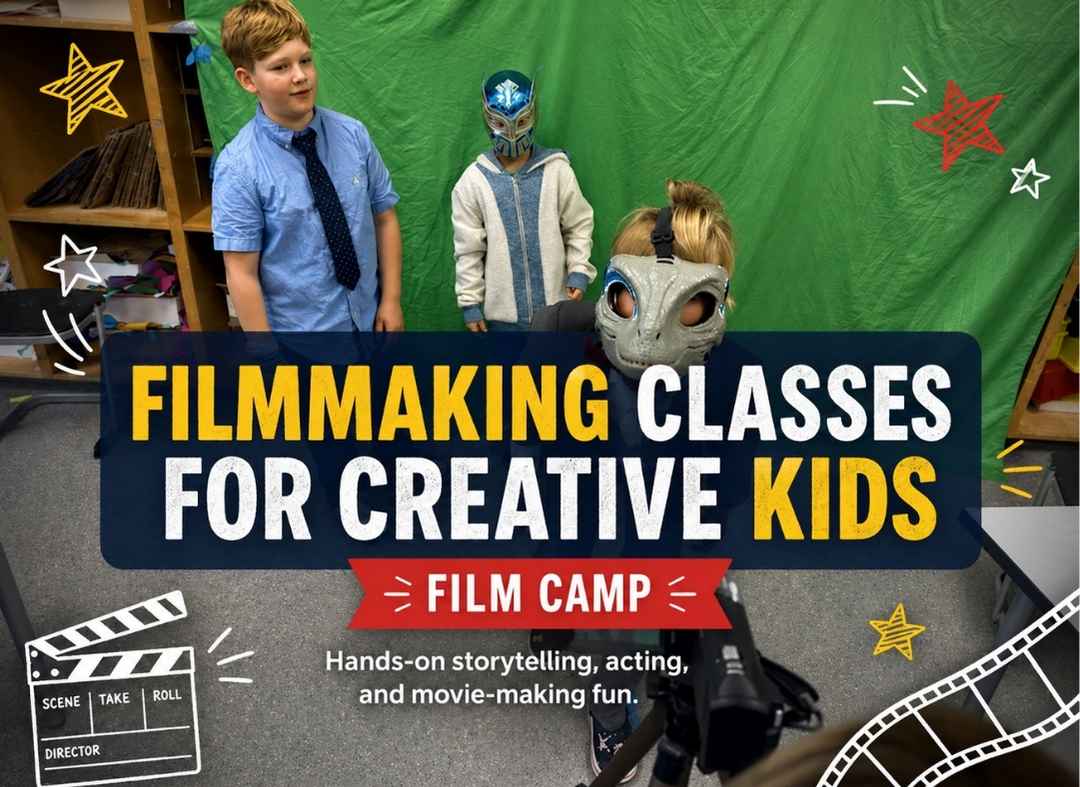
Discover why filmmaking classes help creative kids build confidence, teamwork, and storytelling skills through hands-on movie projects at Film Camp Los Angeles, where beginners learn by creating real short films.
Read >.jpg)
Weekend film classes in Los Angeles teach kids ages 8 to 14 filmmaking every Sunday in Glendale. Compare real costs, curriculum, safety, and what to ask before enrolling your child.
Read >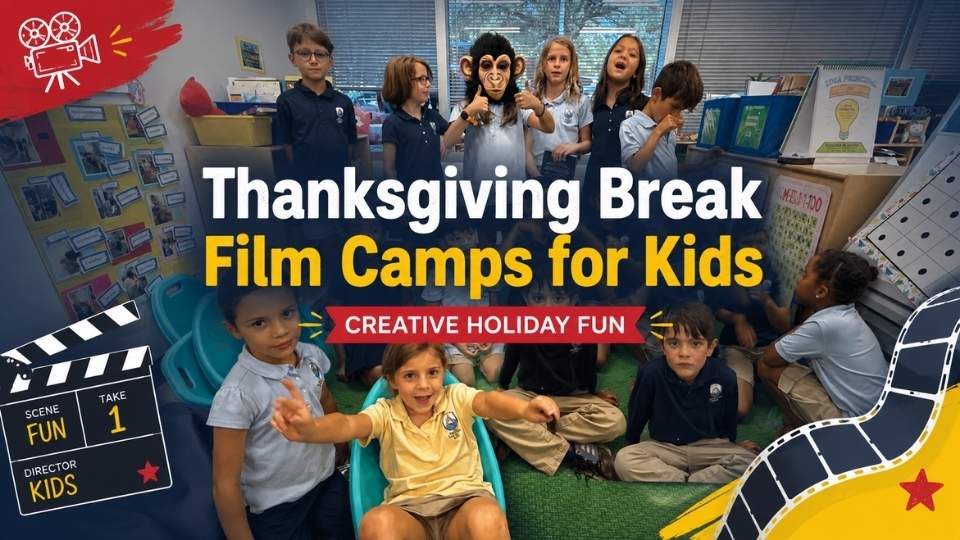
Thanksgiving break film camps fill the three school-free days in Austin, Los Angeles, and San Francisco. Kids ages 7 to 14 write, shoot, edit, and premiere their own short film.
Read >.jpg)
Discover how kids ages 7–14 learn screenwriting, acting, directing, camera work, editing, teamwork, and confidence at Los Angeles Film Camp in Glendale while creating and premiering their own short film.
Read >.png)