Day camps offer daily programs where kids return home each evening, while sleepaway camps provide immersive overnight experiences. Choose based on your child's age, emotional readiness, and family goals.
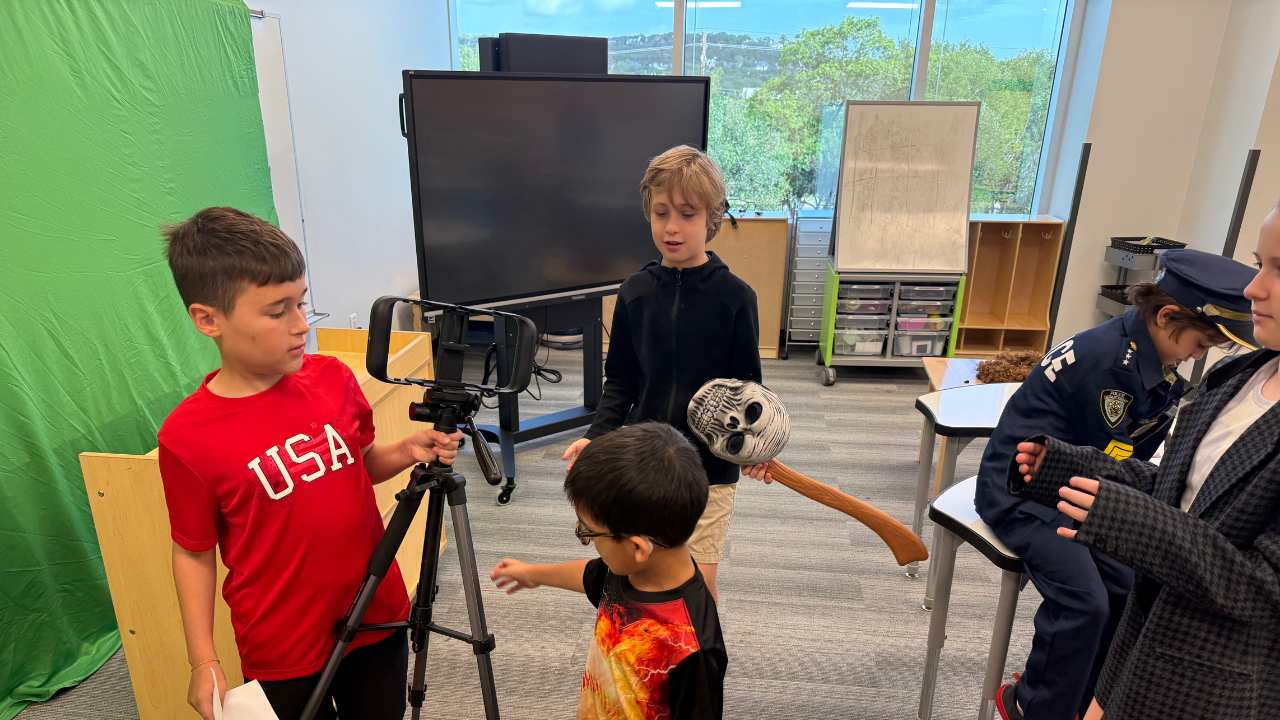
Day camps vs sleepaway camps: Day camps run Monday through Friday and children return home each evening, while sleepaway camps are overnight residential programs where kids live with peers for one to eight weeks. Both develop social skills, independence, and confidence — the best fit depends on your child's age, emotional readiness, and your family's goals.
Choosing between a day camp and a sleepaway camp is one of the biggest summer decisions you'll make for your child. Both are fantastic. Both teach skills your kids can't learn in a classroom. But they deliver very different experiences.
This guide breaks down every angle, cost, skill development, age readiness, activity options, and more. By the end, you'll know exactly which camp type fits your child and your family.
A day camp is a structured daytime program that runs during summer school breaks. Kids arrive in the morning, participate in supervised activities, and return home each afternoon or evening. Most day camps operate Monday through Friday from around 8:00 AM to 5:00 PM.
Day camps range from general recreation programs to highly specialized experiences focused on sports, arts, STEM, filmmaking, or performing arts. They serve children ages 5 to 14 and require no overnight stays, making them ideal for younger kids or first-time campers.
Key features of a day camp:
• No overnight stay: children return home every evening
• Structured schedule: mornings for skill-building, afternoons for activities
• Age groups: typically 5–14, divided into age-matched cohorts
• Session length: one to eight weeks, with flexible weekly enrollment
• Focus variety: general, sports, STEM, arts, film, or academic themes
A sleepaway camp, also called a residential camp or overnight camp, is a program where children live on-site with their peers for the full duration of the session. They sleep in cabins or bunkhouses, share meals, and participate in activities around the clock under trained staff supervision.
Sleepaway camps offer a deeper immersive experience. Kids build close friendships, develop real independence, and create memories that typically last a lifetime. They're best suited for emotionally ready children ages 7 and up, though most kids thrive starting at age 8 to 10.
Key features of a sleepaway camp:
• Full residential experience: kids live on-site for the entire session
• Duration: one-week sessions up to full-summer programs of 6–8 weeks
• Age range: generally 7–17, with counselors matched by age group
• Evening and weekend programs: social events, campfires, talent shows, and free time
• Independence development: no daily parental contact, full self-management required
Here's a direct comparison of both camp types across the factors that matter most to parents and kids.
Day camps deliver real, measurable growth — even without overnight stays. The structured mix of instruction, play, and peer interaction produces skills that compound over time.
Builds confidence gradually. Day camps introduce new challenges in small daily doses. Your child tries something hard, succeeds, and comes home proud. That cycle repeats every day of camp.
Reduces screen time significantly. Kids spend 7+ hours daily on screens on average during summer breaks (Common Sense Media). Day camp replaces that with hands-on activities, physical movement, and face-to-face interaction.
Develops social skills in real time. Kids navigate friendships, handle conflict, and cooperate in group projects every single day. These are peer skills they simply don't practice on devices.
Supports working parents. A quality day camp is structured childcare with serious educational and developmental value. Parents gain peace of mind knowing kids are engaged, supervised, and learning.
Low-stress introduction to camp life. For first-time campers or anxious kids, day camp offers all the fun without overnight separation. It's the perfect bridge to a future sleepaway experience.
Enables specialty skill development. Focused day camps in filmmaking, coding, sports, or arts deliver concentrated skill-building in ways general school programs simply cannot match.
Sleepaway camp offers something that no other childhood experience quite replicates: full independence in a safe, structured, fun environment. It's where kids genuinely grow up a little.
Builds powerful independence. Living away from family forces kids to manage their schedule, belongings, and emotions without parental support. Most kids surprise themselves with how capable they actually are.
Forms deep, lasting friendships. Shared experiences create bonds that outlast most school friendships. Studies show camp friends are often cited as some of the most meaningful relationships adults carry into their lives.
Teaches emotional resilience. Handling homesickness, navigating conflicts without mom or dad, and pushing through hard moments builds emotional muscle. These skills translate directly to adult life.
Creates a genuine break from technology. Many sleepaway camps have no-phone or limited-device policies. Kids discover they don't need screens to have an incredible time. That realization is genuinely transformative.
Expands cultural and social awareness. Kids from different schools, states, and backgrounds live together. They learn to collaborate with people who think differently, building empathy and adaptability.
Develops leadership organically. Without parents intervening, kids step into leadership roles naturally. They lead group activities, support struggling bunkmates, and make decisions independently.
Age matters, but emotional readiness matters more. Use this framework to match camp type to your child's specific stage of development.
Signs your child is NOT yet ready for sleepaway camp:
• Struggles with sleepovers at grandparents or friends' homes
• Expresses strong anxiety about separation for more than a few days
• Has not yet developed basic self-care independence
• Recently experienced a major family or life disruption
If your child shows these signs, start with a day camp this summer. Plan the sleepaway experience for next year after building confidence gradually.
Budget is a real factor for most families. Here's a transparent breakdown of what each option typically costs and what's usually included or extra.
Hidden costs to budget for with any camp:
• Transportation: gas, carpool coordination, or camp shuttle fees (add $25–$100 per week)
• Required gear: sleeping bags, specific clothing, sports equipment (varies widely)
• Optional add-ons: extended care hours, private coaching, advanced modules
• Spending money: (sleepaway) for camp store, tips, or personal supplies
Smart cost-saving moves:
1. Register early — early bird discounts save 15–20% at most camps
2. Ask about sibling discounts — typically 10–15% off
3. Inquire about financial aid — many reputable camps offer need-based assistance
4. Bundle weeks when available — multi-week sessions often include discounts
5. Compare total cost, not just weekly rate — all-inclusive camps often cost less overall
Activity offerings vary by camp type and focus. Here's what kids typically experience at each.
Film and media camps deserve a special mention for creative kids. Programs like Film Camp let young filmmakers write scripts, direct scenes, act on camera, and edit full productions using professional-grade equipment — all in a single action-packed week. These specialty programs deliver the kind of hands-on, expert-guided experience that general camps simply can't match.
Homesickness is normal. About 96% of children at sleepaway camps experience some degree of it, mostly during the first 48 to 72 hours. Day campers rarely experience it since they return home each evening.
Here's what the research shows:
• Most homesickness peaks: nights 2–3 at sleepaway camp, then decreases significantly
• Kids who stay: report much higher satisfaction and confidence than those who leave early
• Parental attitude matters: kids whose parents express confidence they'll love camp have better outcomes
• Staff readiness: good camps have protocols and trained counselors specifically for homesick kids
What parents can do before camp:
6. Practice short separations — sleepovers at family or friends first
7. Reframe the narrative — 'You're going to meet your new best friends' beats 'Don't be sad'
8. Pack a comfort item — a small family photo or personal token helps
9. Send pre-stamped, pre-addressed postcards — easy to mail, great for connection
10. Trust the camp staff — they've managed thousands of homesick kids. Resist the urge to pull your child early
The most important thing: don't pick them up at the first tearful phone call. Kids who push through homesickness come home transformed. That challenge is part of the growth.
Safety should be your first research focus, before cost, before activities, before anything else. Here's exactly what to verify before signing your child up.
Accreditation status. Look for American Camp Association (ACA) accreditation. ACA-accredited camps meet over 300 safety and quality standards and undergo regular site visits.
Staff background checks. Every adult working with children should pass state and national criminal background checks. Ask directly — reputable camps share this information without hesitation.
Staff-to-camper ratios. ACA recommended ratios: ages 5–8 (1 staff per 6 campers), ages 9–14 (1 staff per 8 campers), ages 15+ (1 staff per 10 campers). Ask what the camp actually maintains.
Medical support on-site. Day camps need at least one certified first aid and CPR staff member at all times. Sleepaway camps need a nurse or health supervisor on-site 24/7.
Emergency protocols. Ask for written emergency procedures covering medical emergencies, severe weather, missing campers, and parent communication during crises.
Activity-specific certifications. Swimming programs need certified lifeguards. Climbing activities need belay certifications. Archery programs need range safety officers. Verify these.
There's no universally right answer. The best choice depends on four factors: your child's age, emotional readiness, personality, and your family's specific situation.
Choose a day camp if:
• Your child is 5–8 years old and hasn't been away from home independently
• They've expressed anxiety about overnight stays or extended separation
• You need structured, supervised summer programming during work hours
• You want a cost-effective option with strong developmental value
• You're exploring specialty skill-building programs (film, STEM, arts, coding)
• Your child wants camp but isn't sure they're ready for overnight stays
Choose a sleepaway camp if:
• Your child is 8 or older and is excited about independent adventure
• They've successfully handled sleepovers and short separations without distress
• They're craving deep friendships and peer connection away from family
• You want them to build real independence and emotional resilience
• They've done day camp before and are ready for the next level of challenge
• You want a full summer experience that builds leadership and lifelong memories
Consider both if:
• Your child does a specialty day camp first week, then a general sleepaway camp later in summer
• You want to test readiness with a one-week sleepaway session before committing to longer
• Different children in your family have different readiness levels
Do your homework before signing any enrollment forms. Here are the specific questions that separate great camps from mediocre ones.
Trust your instincts after the initial tour or call. If a camp is evasive, disorganized, or dismissive when answering safety questions, that tells you everything you need to know.
Timing your registration correctly can save money and guarantee your child gets their first-choice program.
The early bird advantage is real and significant. Popular specialty day camps and elite sleepaway programs fill completely by April. Waiting until summer means limited choices, no discounts, and potential disappointment.
Financial planning tip: most camps require a 25–50% deposit at registration with the balance due 4–6 weeks before the session starts. Budget accordingly and ask about payment plans if needed.
Here's how to think about summer camp as a long-term investment in your child's development — not just a summer activity.
The early bird advantage is real and significant. Popular specialty day camps and elite sleepaway programs fill completely by April. Waiting until summer means limited choices, no discounts, and potential disappointment.
Financial planning tip: most camps require a 25–50% deposit at registration with the balance due 4–6 weeks before the session starts. Budget accordingly and ask about payment plans if needed.
Here's how to think about summer camp as a long-term investment in your child's development not just a summer activity.
Research from the American Camp Association found that 96% of parents report camp was a worthwhile investment. More telling: 74% of adult camp alumni say camp helped shape their values, social confidence, and sense of personal identity.
The child who returns home from their first successful sleepaway week is measurably different. More assured. More willing to take on challenges. More aware of what they're capable of when they push themselves. That transformation is the real return on your investment.
Day camp and sleepaway camp are both exceptional. They're not competing options — they serve different kids at different stages of readiness and development.
Start with a day camp if your child is young, anxious, or new to the camp experience. Choose a specialty day camp if they have a strong passion for filmmaking, coding, sports, or the arts. Level up to sleepaway camp when they're emotionally ready and craving independence.
The best camp is the one your child can't stop talking about when they get home and begs to return to next summer. Trust the process. Trust your child. And trust that the right camp will do what no classroom ever quite can.
Day camps are non-residential programs where children attend during daytime hours and return home each evening. Sleepaway camps are overnight residential programs where children live on-site with peers for the full duration of the session, typically one to eight weeks.
Most children are ready for day camp around age 5–6. If your child can handle a few hours at school or daycare without significant distress, they're likely ready to enjoy a structured day camp program.
Most kids thrive at sleepaway camp starting around age 8–10. The key indicator isn't age — it's emotional readiness. If your child handles sleepovers well, expresses excitement about independence, and can manage basic self-care without reminders, they're likely ready.
Day camps typically cost $200–$900 per week depending on the specialty. General recreation programs are at the lower end; specialized programs in filmmaking, STEM, or sports coaching are at the higher end. Sleepaway camps range from $800–$2,000+ per week and include lodging and meals, which affects the total value comparison.
Both are safe when operated by accredited, professional organizations. Look for American Camp Association (ACA) accreditation, verify staff background checks, confirm appropriate staff-to-camper ratios, and ask about on-site medical support. Sleepaway camps have around-the-clock supervision; day camps have full daytime supervision. Neither inherently poses greater safety risk when operated correctly.
Prepare your child beforehand with practice separations and positive framing. Pack a comfort item and send pre-stamped postcards so they can easily write home. Trust the camp staff, who are trained in supporting homesick kids. Resist the urge to pick your child up early — most homesickness resolves within 48–72 hours, and kids who push through typically return home transformed.
Absolutely. Many families use a specialty day camp for the first week or two — perhaps a filmmaking or STEM program — followed by a traditional sleepaway camp for a longer session. This combines targeted skill development with the independence and social experience of overnight camp.
Register in January through March for the best selection and early bird pricing (typically 15–20% off). Popular specialty day camps and premium sleepaway programs fill by April. Day camps generally have more flexibility, with openings available through May. Waiting until June limits your options significantly.
Both camp types build confidence, teamwork, communication, creativity, and responsibility. Day camps focused on specialties like filmmaking or STEM add specific technical and artistic skills. Sleepaway camps add stronger independence, emotional resilience, leadership, and the ability to form deep peer relationships. Together, these skills compound into significant long-term developmental advantages.
Creative kids thrive at arts, music, performing arts, and filmmaking camps. Film camps are particularly powerful for storytellers — kids write scripts, direct scenes, act on camera, and edit professional-quality productions. Programs that combine creativity with technology (like film or digital arts camps) give creative kids both expressive freedom and practical, marketable skills.
Film Camp | Austin · Los Angeles · San Francisco
hello@film.camp | (323) 471-5941 | 5900 Balcones Drive, Suite 100, Austin, TX 78731

Discover why filmmaking classes help creative kids build confidence, teamwork, and storytelling skills through hands-on movie projects at Film Camp Los Angeles, where beginners learn by creating real short films.
Read >.jpg)
Weekend film classes in Los Angeles teach kids ages 8 to 14 filmmaking every Sunday in Glendale. Compare real costs, curriculum, safety, and what to ask before enrolling your child.
Read >
Thanksgiving break film camps fill the three school-free days in Austin, Los Angeles, and San Francisco. Kids ages 7 to 14 write, shoot, edit, and premiere their own short film.
Read >.jpg)
Discover how kids ages 7–14 learn screenwriting, acting, directing, camera work, editing, teamwork, and confidence at Los Angeles Film Camp in Glendale while creating and premiering their own short film.
Read >.png)