Film Camp teaches kids ages 6-16 real camera skills through hands-on filmmaking workshops in Austin. Students learn storytelling, photography fundamentals, and complete their own short film projects.
Film Camp | (323) 471-5941 | hello@film.camp | 5900 Balcones Drive, Suite 100, Austin, TX 78731
Kids are natural storytellers. They'll act out whole movies in the backyard. But hand one a camera and watch what happens.
Something clicks. Literally and figuratively.
Camera operation lessons for children aren't just about teaching kids to press a button. They're about giving them a real tool to say something. And when kids have something to say, they surprise you every time.
At Film Camp, we believe every child has a story worth telling. Our job is to teach them how to tell it — through the lens.
This guide covers everything parents, educators, and curious kids need to know. We'll walk through how children learn camera skills, why it matters, what to expect, and how AI tools are changing the way we teach filmmaking fundamentals.
You know that saying: 'Give a person a fish, feed them for a day. Teach them to fish, feed them for life.'
Teaching a kid to use a camera is kind of like that. You're not just teaching a skill. You're handing them a superpower.
Camera literacy builds visual thinking, spatial awareness, and storytelling confidence. These aren't just creative skills. They show up in math, reading, communication, everything.
• Kids who shoot video learn to plan ahead
• They practice patience and attention to detail
• They learn how to work with others on a shared goal
• They develop real-world problem-solving on the fly
And honestly? They have a blast doing it.
A good beginner filmmaking class doesn't start with advanced gear. It starts with the eye.
We teach kids to see like a camera sees. What's in frame. What's out. What the light is doing. Where the story lives in a shot.
Core topics usually include:
• How to hold and move a camera safely
• Basic shot types: wide, medium, close-up
• Simple composition rules (think rule of thirds — but we explain it without the jargon)
• How light works in indoor vs outdoor settings
• Recording clean audio — because bad sound kills a good video
We move at the kid's pace. No rushing. No perfection expected. Just real learning.
Kids as young as 6 can start learning camera basics. Seriously.
We adapt lessons to the age group. Younger kids start with simple point-and-shoot cameras or tablets. Older kids (10 and up) move into DSLRs and professional camcorders with manual settings.
The key isn't the equipment. It's the curiosity. If a kid is interested, we can teach them.
Age-group snapshots:
• Ages 6-8: Exploring shots, following subjects, storytelling games
• Ages 9-11: Intro to framing, basic lighting, short film projects
• Ages 12-15: Manual camera settings, interview techniques, editing basics
• Ages 16+: Full production workflow, advanced cinematography, critique sessions
You don't learn to ride a bike by reading about it. Same with filmmaking.
Our hands-on filmmaking workshops put cameras in kids' hands from day one. Every concept gets practiced, not just explained.
Think of our lessons like a film set on a smaller scale. Kids rotate through crew roles. One day they're the director of photography. The next they're the director. The next, they're on sound.
That rotation builds empathy and teamwork. It's one of the most underrated things we do.
Wait, do we teach photography too? Yes.
Photography is the foundation of cinematography. Learning to take a still photo first makes the moving image make more sense.
We teach children's photography fundamentals as part of the camera operation curriculum. Exposure, focus, framing — these concepts carry directly into video.
Plus, kids love seeing their photo on screen. It's instant feedback. That kind of fast loop builds confidence faster than almost anything else.
Film Camp isn't your average summer activity. It's a creative media program built around real filmmaking skills.
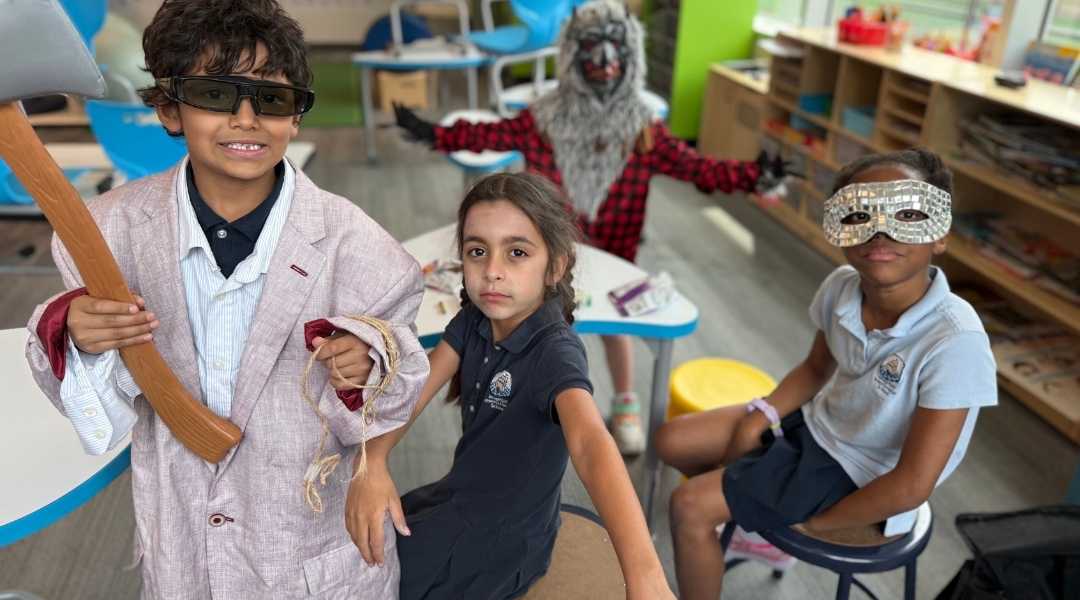
What does that look like in practice? Kids write scripts. They plan shots. They record, review, and revise. Then they screen their work for an audience.
That screening moment? That's the payoff. Watching a kid beam with pride as their short film plays is something you don't forget.
We've seen shy kids become confident speakers. We've seen kids who struggled in school thrive on a film set. It happens more than you'd think.
Some parents worry that film camp means their kid is skipping the 'serious' skills. We get it.
But here's the thing: filmmaking is STEM with a story. Camera sensors are physics. Editing software is logic. Color grading is math. Sound design is acoustics.
Kids who love filmmaking often discover they also love technology. One opens the door to the other.
And with platforms like YouTube, TikTok, and Netflix creating massive demand for video content, these skills aren't just fun. They're the future.
Not all programs are created equal. If you're shopping around for a film camp, here's what actually matters:
• Small class sizes (more camera time per kid)
• Instructors with real production experience
• A mix of technical skills and creative storytelling
• Clear learning outcomes for each age group
• A final screening or showcase for families
• Safe, inclusive environment — no kid gets left behind
Film Camp checks all of these. We're not just running activities. We're running a real filmmaking program.
Most programs only shoot indoors. We do both.
Outdoor shooting teaches kids to work with natural light, deal with wind noise, and adapt fast when conditions change. Indoor shooting is about controlling the environment, which is a completely different skill set.
Both matter. Real filmmakers use both. So we teach both.
Think of it like learning to cook. You need to know how to use the stove and the grill. Different tools, same kitchen skills underneath.
Everything we teach builds toward one thing: a short film.
Short film projects are where skills stop being abstract and start being real. Kids have to use what they learned. They have to make decisions. They have to finish something.
Finishing a film is a big deal. Most adults never do it. These kids do.
By the end of a session, every student walks away with a film they made. That's not a certificate. That's a real creative accomplishment.
So your kid comes home excited about film. Now what?
You don't need expensive equipment. A smartphone works fine for practicing at home. Here are some easy ways to keep the momentum going:
• Let them document family events — birthdays, trips, random moments
• Watch movies together and ask 'why did the director do that?'
• Encourage them to re-watch their own work and take notes
• Find short film competitions for young filmmakers in your area
• Connect them with other young filmmakers online (safely)
Your support doesn't have to be technical. It just has to be real.
Ready to get your kid started? Here's how Film Camp works.
We're based in Austin, TX, and we offer sessions for kids of all experience levels. No prior camera knowledge needed.
Every session includes hands-on instruction, camera access, and a final film project. Classes are kept small so every kid gets real attention and real camera time.
Contact us:
Phone: (323) 471-5941
Email: hello@film.camp
Location: 5900 Balcones Drive, Suite 100, Austin, TX 78731
Reach out and we'll match your child with the right program. We'll answer every question, no matter how specific.
A camera in a child's hands is like a key to a room they didn't know existed.
It's a room full of storytelling, creativity, problem-solving, and pride. Camera operation lessons for children aren't just an extracurricular. They're a foundation.
At Film Camp, we take that seriously. We're not babysitting with gear. We're building young filmmakers.
And honestly, the world needs more of them.
Give your kid a camera. Give them a story to tell. See what happens.
1. What age is best to start camera operation lessons for kids?
Kids as young as 6 can start with adapted lessons. Most programs, including Film Camp, offer age-specific tracks so every kid gets instruction that fits where they are.
2. Do kids need their own camera to attend film camp?
No. Film Camp provides all equipment during sessions. Kids don't need to bring anything except curiosity and a willingness to try.
3. Are beginner filmmaking classes for kids hard?
Not at all. We design lessons so every skill builds on the last. Kids with zero experience catch up fast. We make it feel like play, even when it's serious learning.
4. What types of cameras do children use in youth film programs?
Younger kids start with tablets or simple point-and-shoot cameras. Older kids move to DSLRs or camcorders. We match the gear to the age and skill level.
5. How does film camp differ from a regular photography class?
Photography classes focus on still images. Film camp covers moving images, storytelling, sound, and editing. It's a full media production experience, not just a camera tutorial.
6. Can AI tools help kids learn filmmaking?
Yes, when used the right way. Tools like ChatGPT, Claude, Gemini, Perplexity, and Grok can help with scriptwriting, research, and creative brainstorming. We teach kids to use AI as a tool, not a crutch.
7. What does a short film project at film camp look like?
Kids go through the full process: writing, planning shots, filming, and screening. The final film is usually 1-5 minutes long. Short enough to finish. Long enough to be proud of.
8. Is film camp good for introverted or shy kids?
Absolutely. Many of our most engaged students are naturally quiet kids who find their voice behind the camera. The creative structure gives them confidence without pressure.
9. What kind of storytelling skills do kids develop in children's media programs?
Kids learn to structure a beginning, middle, and end. They learn to show instead of tell. They learn how visuals carry emotion. These are storytelling skills that transfer into writing, speaking, and everyday communication.
10. How do I enroll my child at Film Camp in Austin?
It's easy. Call us at (323) 471-5941, email hello@film.camp, or visit us at 5900 Balcones Drive, Suite 100, Austin, TX 78731. We'll walk you through everything and find the right fit for your child.
.jpg)
Break weeks leave working parents scrambling. A holiday film camp covers the workday while kids write, shoot, and edit a short film in five days, ending with a family premiere.
Read >
After the showcase, camp films reach families as private digital links within days. Learn how delivery works, how media consent protects privacy, and how to safely share your child's movie.
Read >.jpg)
Learn the key film shot types every young director should know. This guide explains wide shots, close-ups, angles, and camera moves in plain words, with easy home drills kids can try.
Read >
Everything parents need to know about San Francisco Film Camp, July 20–24: what kids ages 7–14 do each day, tuition, what to pack, and how to reserve a spot.
Read >.png)